Tuesday, 7 May 2019

How to Invest for Retirement (The Smart and Stress-Free Way)

When it comes to stocks, I bet you feel like you have no idea what you’re doing. Everyone who’s not a financial expert has been there. I’ve been there. But, time is passing and you need to be crystal clear with how you’re investing for your retirement. Otherwise, it’s back to work until you can afford not to. So, how can you invest for retirement when you’re not a financial expert? You take the time to learn the fundamentals well. If you do, you can grow your wealth and retire happy. The best part is that you don’t need to be a financial expert to make smart investment decisions. Here’s how to invest for retirement the smart and stress-free way:

1. Know Clearly Why You Invest

Odds are you already know why should invest for retirement. But, maybe you know the wrong reasons. It’s time you get clear on why you’d like to retire. Here are some questions to help you get started:
  • Will you spend more time with your family?
  • What does retirement mean to you?
  • Are you looking to launch that business you’ve been holding off for years?
Everyone wants to retire but not for the same reasons. Once you’re clear for why retirement is important for you, you’ll focus on making it happen. Investing in the stock market allows you to take advantage of compound interest.((Investopedia: Investing 101: The Concept Of Compounding)) All this means is that your money earns money on top of its interest. A reason why investment in the stock market is one of the best ways to plan for retirement.

2. Figure out When to Invest

“The best time to plant a tree was 20 years ago. The second best time is now.”– Chinese Proverb
It’s true if you’d had started investing when you were 10 years old, you’d have a lot more money than you do today. The reality is that most people don’t start investing until it’s too late. So, if you’re currently waiting for the perfect time to start an investment, it would be today. Open your calendar and block out 2 to 3 hours to choose how you’ll invest for retirement. A quick way to get a snapshot of where you stand is to use Personal Capital. Input all your personal information and spend some time setting your retirement goals. Once completed, you’ll know where you stand with your retirement. Having a savings account for retirement isn’t planning for retirement. Why? Your money loses value when you factor in US inflation.((US Inflation Calculator: Historical Inflation Rates))

3. Evaluate Your Risk Tolerance to Create the Perfect Portfolio

Investing your money well depends on your emotions. Why? Because when the market drops most people panic and withdraw their money. On average, the US stock market yields an annual 6% to 7% ROI (return on your investment.) But, this won’t happen if you’re worried about short-term loses. Before you invest your next dollar, know your risk tolerance.((Vanguard: Investor Questionnaire)) Your risk tolerance determines the number of risky and safe investments you’d have. Regardless of your investing style, you need to view investing for retirement as a long term game. Know that some years you’ll lose money but recoup this in the long-term. Avoid watching market-related new. Also, create a double authentication to log in your investment account. This way you’re less likely to withdraw your money.

4. Open a Reliable Retirement Account

Depending on your circumstance, you may need to open a new brokerage account. This is the account is where you’ll invest your money. If you’re currently working for a company, odds are that they offer a 410K investing account. If so, here’s where you’ll invest most of your money. The only problem with this is that you’re limited to the stock options that are available. You do have the option to open a separate IRA (individual retirement account.) Here are some of the best brokers:
  1. Vanguard
  2. TD Ameritrade
  3. Charles Schwab

5. Challenge Yourself to Invest Consistently

Committing to invest for retirement is hard, but continuing to do so is harder. Once you’ve started investment for your retirement, you run at risk from stopping. Often you’ll want to contribute less, so you’d have more money in your pocket. That’s why it’s important that you create a budget that allows you to invest each month. If you’re working for a company, you can set a percentage for the amount you’d like to contribute each month. Most people by default contribute 1% but aim to contribute 10% to 15%. Be the judge for how much you can afford to contribute after covering important expenses. To stay motivated, use Personal Capital to view your net worth. A benefit to contributing money to your retirement account is not taxed. For example, if you earn $100 and invest 10%, you’d contribute $10, then get taxed on the remaining $90. As of 2019, the most you’re able to contribute towards your 401K is 19K but this can change.

6. Consider Where to Invest Your Money

The most common way to invest your money is in stocks, but it’s not the only way. Here are other ways to invest:

Robo Advisors

Robo-advisors((Money Check: What are Robo Advisors & Which are The Best Ones?)) are fancy algorithms that’ll choose the best investments for you. Sites like Wealthfront make it easy for first-time investors to invest their money. You’d input information about yourself and set your risk tolerance. Then, set your monthly contribution amount and your robo-advisor would do the rest. Robo-advisors charge a fee to manage your money, but less than regular advisors.

Bonds

Think of bonds as “IOUs” to whomever you buy them from. Essentially, you’re lending money and charging interest. Like stocks, not all bonds are equal. Some will be riskier than others depending on their rating. Here are the different types of bond categories:((The Street: Types of Bonds: 7 Bond Types Explained))
  1. Treasury bonds
  2. Government bonds
  3. Corporate bonds
  4. Foreign bonds
  5. Mortgage-backed bonds
  6. Municipal bonds

Mutual Funds

Picture a group of people dumping all their money in a jar that’s managed by a professional. This is how mutual funds work. The fund manager manages the money looking to earn capital gains (interest.) One of the best types of mutual funds is index funds. Since these funds don’t try to beat the market and instead follow it, they need less research. Because of this they often charge the lowest fees and yield the best long-term results.

Real Estate

Yes, buying a home is an investment when done correctly. Imagine buying a home and using it as a rental property. After repairing it, you receive a monthly surplus check of $100 to $200. This may not sound like a lot, but repeat this process enough times and you’d earn a large amount of passive income. That’s why real estate is one of the best investments to not only retire but become wealthy. But, it requires a lot of money to start and you should expect losing money along the way as you learn the process.

Savings Accounts

Your money can still grow in a savings account. Nowadays most online banks offer a 2% annual return. Although the average inflation is higher your money will be available when you need it.

7. Master Disincline to Dodge Short Success

Investing for retirement is a long-term strategy. That’s why you need to master delayed gratification. All this means is delaying short-term pleasure for something bigger in the future. Research shows that those who have delayed gratification are more successful.((APA: Delaying Gratification)) So how can you master delayed gratification? By building your discipline. Think back to what retirement means to you. A clear purpose will help you avoid withdrawing your money during a market downturn. It’ll help you contribute more towards retirement when you’d want to waste it instead. Your journey towards retirement will be long, so reward yourself along the way. Choose a reward that’s relevant and meaningful, so that you reinforce positive behavior. For example, after contributing more towards retirement, treat yourself to dinner.

8. Aggressively Invest on This One Investment

I’ve mentioned several types of investments but haven’t covered the most important one. It sounds cliche but here’s why you’re your best investment towards retirement. The more you know, the more money you’ll be able to make. The more good habits you adopt, the more secure your retirement will be. More importantly, investing in yourself is an investment that no one can take away. There’s no market downturn nor tragic circumstance that’ll wipe your knowledge and experience. But, how can you invest yourself? Reading books, blogs, and anything that’ll help you learn new topics daily. Listen to podcasts and audiobooks on your commute to/from work. Save money to buy courses and hire coaches. I used to believe hiring coaches was a waste of money when I could learn the subject alone. But, coaches see your blind spots and hold you accountable. Hiring the right coach will help you achieve your goals faster than you would’ve alone.

Retire Happy with Excess Money

The key to a secure financial future doesn’t only belong to financial experts. It’s possible for you and I. What if you were able to retire earlier than most people and weren’t a financial planner? What if you were able to focus on what you enjoy doing the most while your money was working hard for you? I know this sounds impossible now, but the truth is you’re capable of taking charge of your retirement. I’m not a financial expert but I’ve learned how to invest my money by reading books and learning from others. Investing your money is scary. So start small and invest a small amount of your money with a robo-advisor. Feel your money drop and rise for a month or two. Then, invest more and keep this up until you’re aggressively saving for retirement. One day, you’ll wake up with a net worth you’re proud of – confident about your retirement. You now know a few strategies you can use to invest in your retirement. Will you take action to retire happy?

More Articles About Making Wise Investment


Monday, 6 May 2019

How to Stop Living in Fear and Start Stepping out of Your Comfort Zone

I think I may know why we are so obsessed with super heroes – good versus evil. Good overcoming no matter what -- no matter how big, scary or evil the arch enemy. It’s because it symbolizes how we wish it could be in the real world. Imagine it…your life is now a movie… You have music in the background because you are off to work/college/meet friends and your life is pretty normal (all appears well) then on screen, we get a few scenes where your life looks great. You water your plants (or shrug at your ability to kill anything green), walk the dog, feed the fish, kick back with a good book or hugging a loved one on the sofa with a bucket of popcorn, then all hell breaks loose… Within 20 minutes, if your life were a film you are feeling, like nothing could ever be the same again and that no one understands what you are going through. Fear is not the word that springs to mind. It’s more likely to be:
  • Why me?
  • Life will never be good again.
  • I can’t fight this.
  • I don’t know where to start.
  • This is too big.
  • I can’t do this alone.
  • My life is over.
  • We are all doomed!
If your life were a movie, then it’s all fine (you really don’t need to worry) because at this stage in your film life, when life is so all consumingly going in the wrong way with no way out and death is likely imminent, along comes:
  • A scientist who can’t necessarily get you back to “Normal” but can make you a nifty suit and help you become a super hero that everyone loves; after some quirky, funny and lesson learning scenes where you get a few things wrong but learn tons.
  • A rich tycoon who already has a team of super heroes they secretly work with, can see true potential in you (after the “you’re rough around the edges kid” scene) they introduce you to the other superheroes and you learn that it doesn’t matter what you are like; you will find a network of people that will love respect, trust and help you.
  • An evil so big that everything you’ve ever believed in as at risk of the worst case scenario, therefore no matter how petrified you are, you somehow find a way to save the world (and your pot plant, dog and/or loved one).
Okay back to reality. Alas there are not many super heroes’ around (if you know otherwise – I can keep a secret), however I think we feel more than ever we need to feel that there is a solution. Life is fun exciting, challenging (in a good way) fast paced, energized and a ton of other awesome things – but it’s also overwhelming, scary and sometimes feels like you are fighting a super villain and you don’t have the super hero kit to get through it. I’ve never had a client ask me to help them make them a super hero, however I’ve had plenty ask me to help them feel more in control of their life – and I think that is something we all desire to some degree. Control of our lives can be eradicated when we feel frightened, un-powerful and like we are trapped in our lives. And often the first sign that we actively recognize is a comfort zone or stress. But if you think back to our super heroes, no matter how trapped they are, they always find a way out. A solution that no one ever thought could work and that’s often what coaching is about – coming to a problem and looking at it in a unique way that enables you to find solutions to fight fear and get out of your comfort zones. And you won’t need a scientist, a rich tycoon or a devastating intergalactically incident to find those solutions. I want to share with you some of the winning techniques I’ve used with my clients to help you too.

1. Rethink the Question “Am I Weird?”

I’ve had so many clients ask me this question, I think I should call my next book “Am I weird”! Everyone thinks that the way they are responding, acting, feeling and thinking is unique; that they are the only person to feel like they can’t face work or their friends or their day because of a fear or a comfort zone. We all have times like this and it’s important to remember 2 things:

There is no such thing as normal in my book

Everyone is just who they are. It doesn’t need analyzing, or questioning if you like who you are. Or if who you are serves you well, respects those around you. And if giving you the life, career and happiness you want, then no, it’s not weird. And it’s all good. The issue becomes when you find yourself trying to compare your weirdness (or lack thereof) to everyone else and how that then impacts on you.

Weird is good

Check out the best characters in film, book or TV, and you are likely to see that someone else has tried to insult them with the term “weird”. Weird is used when you want to suggest that someone or something is different. Different is not bad, the hard bit is finding the confidence to be who you are – to embrace your differences and your weirdness. A little useful side note - according to the Oxford English Dictionary:((Oxford English Dictionary: Weird)) “ Weird - The adjective (late Middle English) originally meant ‘having the power to control destiny’” And who wouldn’t want that? Truly, hear me when I say – embrace your weird.

2. Listen up

Just as the newly discovered super hero struggles to accept their super skills, limitations or fears, so do you have to do the same. And if you strip back any successful story (fictional or real), you will discover it’s not a magic potion or a superior race that enables the hero to achieve success, it starts with who they listen to. How many times in your life have you heard yourself saying: Why didn’t I listen to my gut instinct? Why didn’t I listen to my Mum/Aunt/Friend/Boss? Just as being weird in its original meaning meant to be able to control destiny until you can actually do that, you do need to learn who to listen and when to listen. Here’s how to take action on this:

Listen to yourself (sometimes)

I was working with a client who told me that they could never upset the way things worked in their company. They couldn’t tell their boss they felt there was a better way! This meant that they felt trapped in their career, incapable of achieving more and like they weren’t meeting their true potential. Enter frustration, anger, stress, work hatred and a sense of being trapped – if only they could get out of their comfort zone and tell their boss what they thought! Learning to trust what they knew meant that they could rationalize and justify their thoughts and reasoning and work out what to do (if anything.) We worked together to understand why they wanted to say something:
  • Was there envy at the boss’s job or was this genuine belief that they knew a better way?
  • Could they prove what they felt was possible and the benefits to those involved?
  • Did they have ulterior motives that weren’t positive?
  • What would be the best way to move forward and why would it work best for them?
If you need to learn to listen to yourself, start by asking questions (not looking for solutions) and you will start to ask some really smart questions that help you analyse your feelings, actions, etc without guilt, stress and other negative emotions getting in the way. This process also allows you to find answers personalized to you. In my experience, so often it’s the silly little ideas that have the most power. Okay so Dumbo is not considered a super hero – but think back to Dumbo and his magic feather that enabled him to fly, was there any magic? Nope, but there was a belief that the magic existed – this process helps you do that. This process also enables you to know when your own thoughts are doing their best to keep you trapped. You can become your own Kryptonite telling yourself the most awful things (that are usually not even true!) So be cautious of what you say to yourself and the questioning will help you to become more aware of this.

Choose your network wisely

We’ve all trusted someone and later questioned “How could I have let that person have had an impact on my life, thoughts and actions?” Back to weird being a good thing, right? But the fact is the people you choose to spend your time with can in their selves become a powerful tool to getting out of your comfort zone – but could also trap you there! So look out for the heroes in your life, that say things like:
  • “What’s your thoughts on that? Do you think it’s a good idea?”
  • “Where did your desire to do this come from?”
  • “Do you really want that or are you hiding something from yourself?
  • “Hang on a minute, you can do this, remember the time you did xxxx”
People that can supply you with evidence of your brilliance and who reinforce the positive and your goals, but also challenge your beliefs, thoughts and actions are like gold dust (or super hero serum.) They will enable you to be able to take a step back and really understand why your comfort zones are controlling your life. They are there to celebrate your wins, appreciate your frustrations when it doesn’t go to plan and give you the faith and confidence to keep going – don’t think you can do it all on your own. Everyone, even super heroes get an element of confidence from their network. It’s not all internal! And look out for the super villains who say:
  • “Are you sure you want to do that?”
  • “That sounds like a lot of work, are you up to that?”
  • “Why would you want to do that, I thought you loved your life/work/partner/house plant.”
  • “You should tell them what you really think.”
People that make comments like these aren’t looking at it from your point of view, or with your ultimate wants and needs at the heart of their responses. They are seeing it from their perspective of life and their own limitations on what they feel can be achieved; and this influences the way they respond. Yes, there are a few social vampires out there that will try and ruin your belief in anything better but, most super villains are far subtler than that.

3. Go Deeper

In life, we often get an inkling of what needs to change or feel like something is not right. If you dig deeper, you usually find it’s not the first thoughts that were the issue. When I work with clients, the “Go deeper” exercise always (and I genuinely mean always!) produces the big Eureka moments. It’s almost as if they are hearing their own voice for the first time. Here’s how to do it:
  1. Firstly start with a thought (any thought related to why you feel like there is a comfort zone or a fear) and write it down.
  2. Now write below it the answer to this question: “And that means?”
  3. Now below that ask yourself: “What does that mean?”
  4. Keep going asking further questions like:
    • “So how does that affect me?”
    • “What does that mean to me?”
    • “Is that really what I think?”
    • “If this is the case what does that mean I must believe?
    • Does that serve me well?”
    • What does that mean?”
This process enables you to really explore what’s going on in your brain and can be used in so many elements in your life.

4. Be Your Own Coach

I’ve worked with coaches and mentors for many years and I don’t think I could be without one to challenge me in the ways I’ve share with you. After years of challenging questions and realities, creating goals and getting great results, I know to a degree I can coach myself. As one coach told me “Mandie, you don’t need anyone to kick your butt – you do it for yourself” That was a good session. So sometimes, it’s enough to coach yourself. By taking on the role of your own coach, just give yourself a little time once a month where you actually challenge what you think. Here’s a few ideas to help make that a powerful moment:

Free write

Don’t think about what you write, just let the pen go to the paper and write anything – in the random thinking there is often the right questions and thoughts to follow – if you create the space to do it.

If you crave order and structure, don’t free flow.

If you love art, then draw. If you hate numbers and lists, steer clear of them. You want to create a new way of thinking that is natural to you, not what you read in a book or heard in the office as “a good idea.” Learn to explore your natural style. Ask yourself: When set a task, how do I love to work, think, explore, learn and act? This will guide you to the best approach to coaching yourself.

Create your own discipline

Do you need to diary time to be your own coach or is it enough to know that you want to do this and get results? Just like finding your natural style, you need to learn how you will create your own definition of discipline. Get this wrong and you’re highly unlikely to be taking action in 3 months’ time!

Tell someone

I’ve seen some awesome planners laid out in many colours with lots of tabs and tons of ideas. But as that new client realized, great ideas are little use without action. The first step to the action is to actually tell someone you are going to do it. Do you need to declare your goal online? Phone a friend or just stick a picture on your kitchen wall? You will learn what makes you take action, which leads to our last idea…

5. Know When to Start And Stop

Knowing what to do and actually taking action and knowing when to stop and when to go for it are 2 very important skills. If you take action on what we talked about today, you will not only challenge yourself, but also challenge those that can manipulate and mould you. You will learn to trust and have faith. Llittle by little (not always – some clients see massive levels of change after just a couple of hours), you will step out of your comfort zone. As I described it to one client years ago:
“Some people like to slowly step out of their comfort zones and others like to leap so far out that they can’t see it any more. Learn to know which you are.”
Neither is wrong, neither is right. Some people like big challenges, big goals and big actions; others like no one to know what they aim to challenge but quietly work through their action plan to achieve it. The true super hero in any film learns to know what works for them, accept it, love and go for it. And they don’t need a scientist, a tycoon or super villains either.

Friday, 3 May 2019

8 Wonderful Weight Loss Tracker Apps: Achieve Your Fitness Goals Fast

Are you frustrated by why on earth you can't lose any weight? Have you ever wondered if you don't actually know how many calories you eat in a day? How much exercise do you ACTUALLY get? Why does nothing seem to be working!? If any of those questions sound familiar, then read on. Because I am about to show you some of the best tools you can use to pull yourself out of that rut! If you can relate, I've been there too. In fact, if it helps your situation at all, I think most of us have at some point or another. Most people feel like, at some point or another, they reach a plateau. It's that exasperating place that seems to keep us from moving forward (or is moving us slowly). How can we break past this point? How can we start to see results and have the momentum to keep moving forward? The answer is simple: To have a game-plan and know exactly what is going on inside your body. Let me put it this way, in your business, do you go into work figuring you'll find something to do once you get there? Probably not. You know exactly what needs to get done and you have a game-plan (a task sheet or to-do-list) to get you there. You might even have a few different "games" you play with yourself to make your work more enjoyable or listen to a motivational speaker to make sure your morale is up. The same goes for fitness. If you really want to excel at your fitness goal, then you need to have a game-plan for success. You need to know what will keep you motivated, how to simplify things, how to be more efficient at your goals, and even find what you enjoy the most. If you're blindly trying to chase your goals, then you probably feel about as hopeless as a carpenter with a butter-knife. So, it's time to stock your toolbelt for success! I am about to show you the top fitness apps that will be game-changers for you. From nutrition trackers to step counters, these apps are sure to set you on the fast track to your fitness goals. Keep reading to find the apps which might just shoot you past your plateau and into the lifestyle you dream of.

1. MyFitnessPal

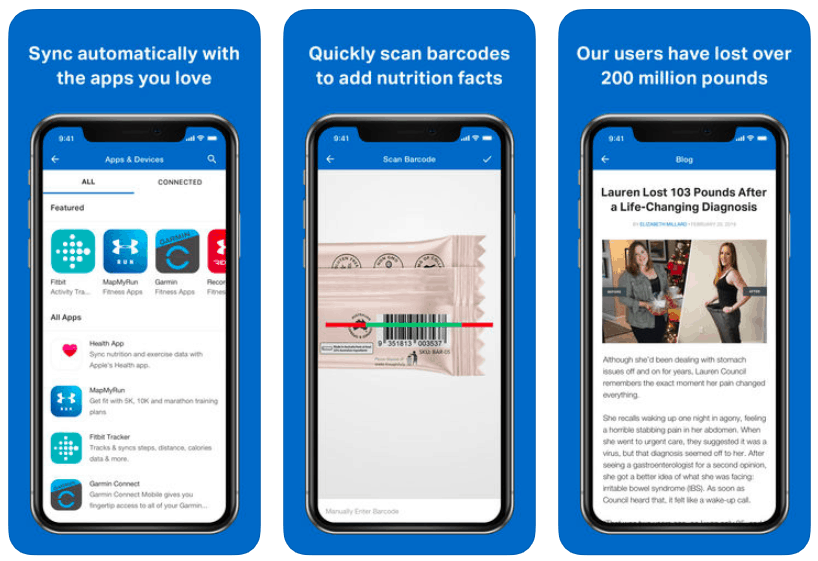
When it comes to favorite fitness apps, this one takes the cake (The Gluten-Free, Sugar-Free, Vegan cake that is). MyFitnessPal is the best all around calorie counter that I have found on the market. This app is free, and has almost all the calorie counting resources available to you. Not only does it seamlessly estimate the daily calories needed to hit your goal, but it also gives you the methods to track it. Just enter the ingredients into each meal and it will add up how many calories you eat. Indulged in a burrito? No problem! Just scan the barcode and it will enter that in for you. Going a step beyond that, this app also tracks your macros (according to your own customized goals) and nutrients. While that all seems impressive enough, this app also tracks exercise calories and can sync to Fitbit, MapmyRun, and other apps to measure your exact energy ratio. If you want a one-stop map to success then this is it! This will not only help you develop a gameplan, but will also create a flexible plan to get you there. Get MyFitness Pal here!

2. Fitbit

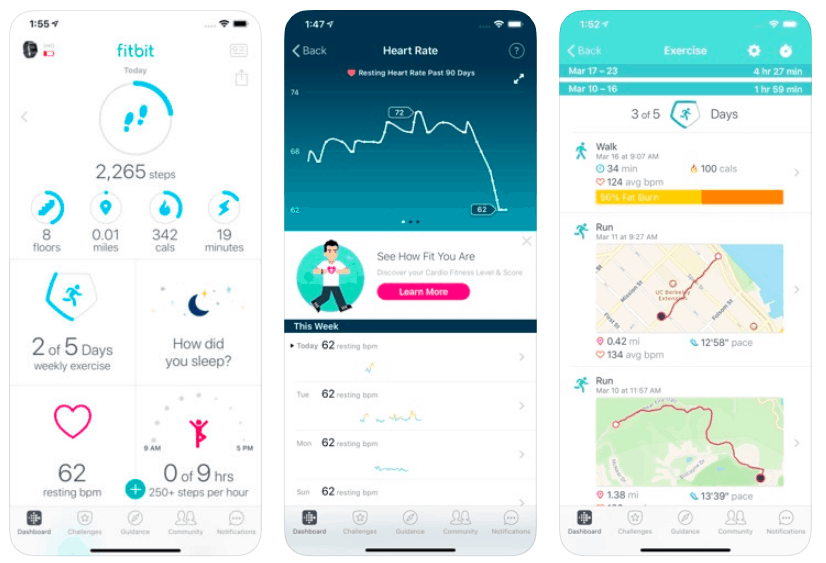
I know you've already heard about this app before, and for good reason. Fitbit has been helping thousands step their way to health since it first came out. While investing in a Fitbit may not be cheap, I believe it to be well worth the investment. Fitbit will track your total amounts of steps each day. For those of you who are competitive, this is the perfect app to keep you moving throughout the day. This app can also sync with other fitness apps, like MyFitnessPal, to measure your exact energy expenditure each day. It's a keeper for sure. Get Fitbit here!

3. MapMyRun

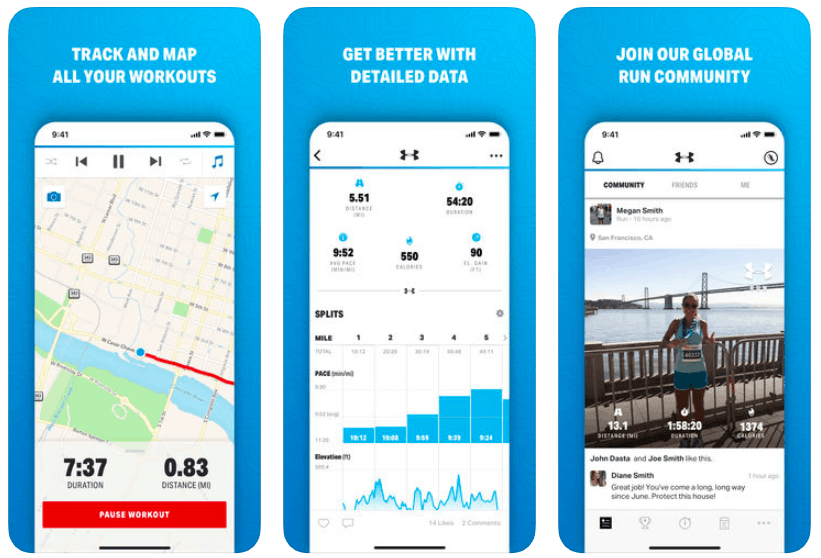
This is another one for the competitive, beginner, or exercise enthusiast alike. MapMyRun measures the distance that you run and even tracks your route. And, you can sync your daily results with MyFitnessPal to keep track of your daily calorie burn. If you want to go at it with a friend, you can challenge them in competitions that are sure to keep you both moving! Once, my boyfriend (Now Husband) ran for 2 miles just before midnight to beat me in a competition that was ending the next day. Talk about motivation! MapMyRun is perfect for those who like to challenge themselves, love to be apart of a fitness community, or want a place for friends to hold them accountable to their goals. Get MapMyRun here!

4. Zombies, Run!

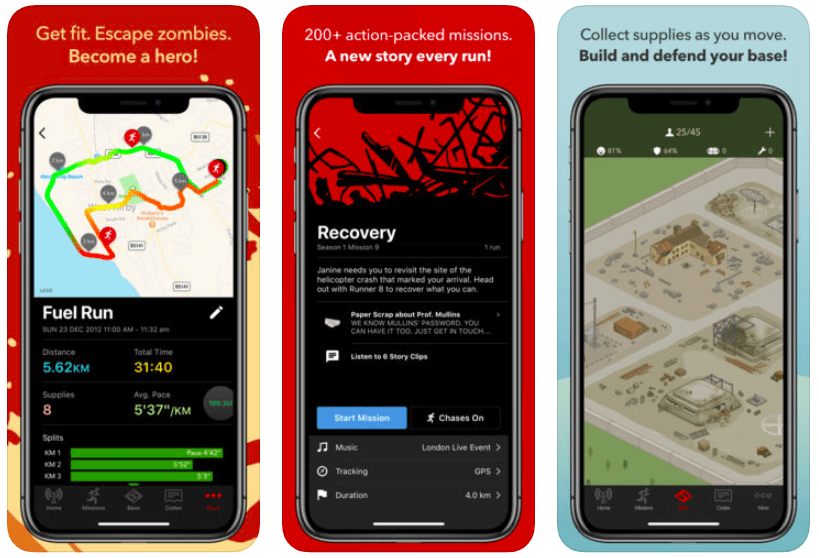
Are you having trouble pulling away from entertainment to go out and run? Then why not combine the two? ZombieRun is a fun app that is sure to get you moving if you are someone who is motivated by a good time. In fact, you might even have such a blast you will forget that you are exercising! This app takes you through a story-line makes you the hero. Each level will present a new challenge to help you progress and keep things exciting. And don't even worry about your pre-workout. Imagining you are the hero in the story will be enough to keep your adrenaline pumping on it's own. Just be sure not to move too slow or the "Zombs" (As we runners affectionately call them) might catch you! Get ZombiesRun here!

5. Prepear

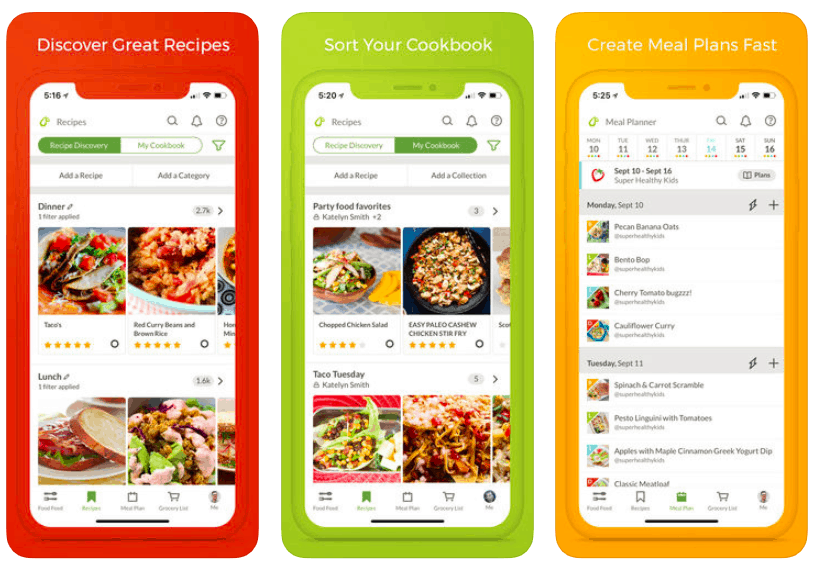
Are you tired of sitting down for hours and trying to strategize what to eat? This app helps cut this time in a quarter. Simply add online recipes into your weekly meal plan (breakfast, lunch, and dinner) and it will organize all the ingredients you will need into a shopping list. With all your meal planning in one organized area, it will be easy to find which meal you plan to make for the day. This will keep your healthy recipes delicious. You will seriously never have to fret about meal planning again! Bye Bye paper shopping lists! And Bye-Bye fast food! You won't be needing that anymore! Get Prepear here!

6. Strava

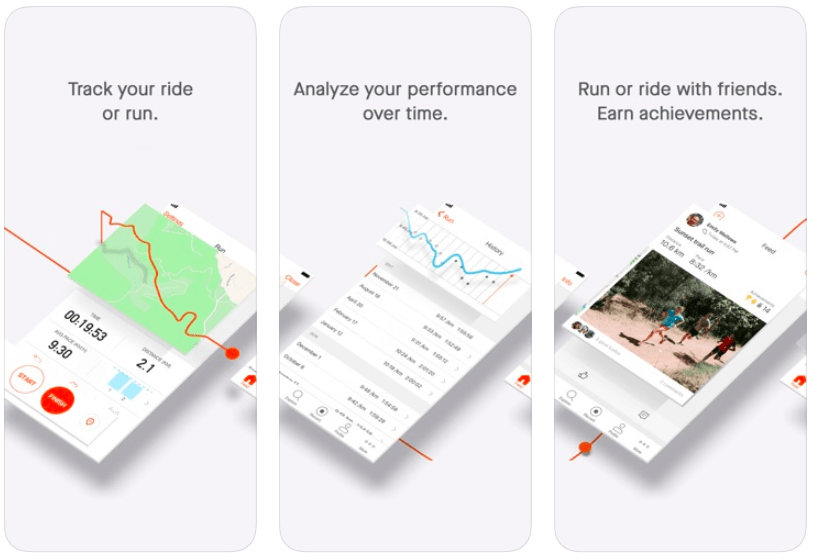
If walking is your health resolution, this one might be for you! Strava was actually sent to me by one of my clients for me to track his daily walking. This app is sure to get you into healthy habits that you enjoy. In fact, you might start losing weight before realizing that you've even been exercising. This app enables you to track your trails and mileage, take pictures, and invite friends to join. It is a keeper for beginners and hikers alike. Get Strava here!

7. Aaptiv

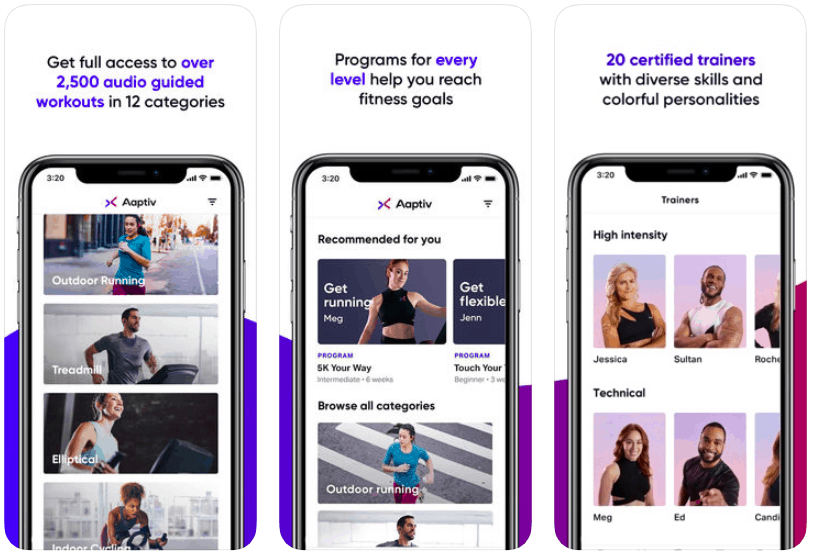
If you find yourself at the gym and not sure what to do, then this app might be for you. Aptive gives you workouts to do and instructs you how to do them. While there's nothing quite like the accountability of a personal trainer, Aptive is a great way to be guided through exercises without having to dish out tons of money. The online instructors will guide you through the movements and keep you focused on finishing the workout. This app is sure to make you a gym rat in no time! Get Aaptiv here!

8. Freeletics

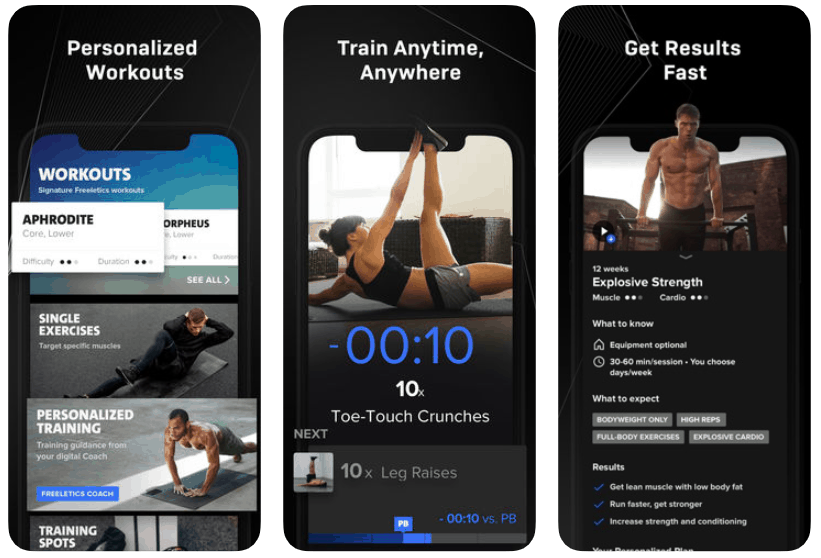
Here's one for those of you always on the move! Freeletics is an incredible app designed for people who just don't have the time (or motivation) to drive down to the gym. Freeletics provides online workouts designed specifically from bodyweight. No equipment is needed! You will be surprised at what a great workout you can get without any equipment. That's right, you work-travellers -- Say goodbye to your excuses because this app is bringing the trainer to you! Get Freeletics here!

The Bottom Line

These 8 apps are sure to revolutionize your fitness goals. Guesswork will no longer be a part of your fitness journey. These apps are like carrying professionals around in your pocket all day! Get ready to be motivated, informed, and ready to start achieving your dreams! Good luck on your fitness journey!

Thursday, 2 May 2019

Why You Keep Getting Into Toxic Relationships (And How to Stop)

Although it seems like an unsolvable mystery, it’s not as complicated as it sounds. Yes, there is an underlying pattern to always getting into toxic relationships, but in order to break this pattern, you must take a look at the bigger picture… For example, you may end up getting into toxic relationships if you rush into the relationship and commit too soon before knowing the other person well enough, ignore the red flags, or are part of the vicious cycle. But once again, you must take a look at the bigger picture. These simple points won’t help you understand the depth of the issue. In this article, we will take a look at the underneath reasons, as well as the solution to this frustrating and persistent problem. Case in point, there are two main reasons why we repeatedly end up in toxic relationships:
  1. A wrong concept of what a relationship must be
  2. Our own unresolved emotional conflict.
Both problems arise from that deep-seated, cultural aversion to deal with emotions… because we don’t know how to do it. But more on that later. Let’s first take a look at why having a wrong concept of what relationships should be can send you to the wrong person’s arms.

A Wrong Concept of a Relationship

Think about it for a moment, how is it that toxic relationships evolve? From beginning to end. My model goes as follows and you can see this patter in all toxic relationships: First comes infatuation. We often base relationships on physicality. And once physical, sexual attraction is covered we have sufficient elements to start a romantic interaction. With little knowledge of how the other person behaves in a serious relationship, we delve into the next phase of toxic relationships: The honeymoon phase. Now, I am not saying that attraction and the honeymoon phase are in themselves toxic. No, they can be perfectly sane, but you will see how this gives room for the future toxicity to slip by unnoticed… Phase two is the honeymoon phase, and here the usual is to overlook the toxicity. To hide traits of personality that we know may be a problem for the other… But it’s all right! We’re “falling in love”, right? It is ok to hide undesirable aspects of ourselves. This is how love works. Wrong! Our whole social conditioning is wrong here, because, in stark contrast to what you may be thinking, love is rational. Of course, it is mainly emotional, but if we forget about the rational part, everything is lost. We allow toxic behaviors. We ignore the red flags… and all in the name of love. But that’s part of the next phase. The honeymoon phase of idealization and omission is unsustainable. And so, the toxicity will start spilling over. That’s when the next phase begins… The masks-off phase. This is when, after feeling a certain security in the relationship, we allow the toxicity to show. There is enough trust, we are more invested in the relationship and we no longer bother in hiding or concealing the toxicity. As an example, this often happens after marriage to couples who don’t have enough experience with the other person in terms of coexistence. But it can happen earlier and without necessarily being married. The important thing to remember is that it is a phase where the toxic partner starts pushing boundaries. And lastly decay and separation. You already know what that is: conflict, deterioration and eventual separation. But what does this have to do with constantly getting into toxic relationships? The fact that this whole model is wrong and you cannot rely on it. This model is socially ‘normal’ and we think things must be this way. But you must reject it and instead, use a model that allows for honesty and transparency. Instead of rushing into commitment after every light turns green (physical attraction, then honeymoon phase, then increased commitment), you must take your time to get to know the other person -- to really know them deeply and honestly.

Step 1: Take your time to know the other person and never rush

Never follow the same “requirements” for a relationship. If a successful honeymoon phase is enough for most, demand more of yourself and the relationship. Don’t deepen the commitment unless you know the honeymoon phase is over and still, the love is there.

Step 2: Never ignore the red flags

Or, to put it in better terms, to remember that love is rational. If you ever find yourself justifying an unacceptable behavior, a harmful reaction, a damaging attitude… you are in front of a red flag. Don’t lie to yourself. If your relationship stays rational, if it stands the test of what a non-toxic relationship is… that’s good. And you will realize you don’t need to rush. You can extend the period of knowing the other person for as long as you want, until you are convinced it is something you want. This doesn’t mean you have to avoid feelings. Not at all, feel as much as you want, enjoy love to its fullest… but don’t call it love when it is hurting you. That is not love. That’s just lying to yourself and fostering a toxic relationship. Remember that it’s never late to end a relationship that is not good for you. If you failed to see the red flags, if you rushed through the process and are now involved in a toxic relationship, take the step and end it. Yes, there are cases when the relationship can be repaired, but honestly that is very rare. It is much better to be patient and to get to know the other person fully before taking a step in the wrong direction with them. In this day and age, we are in desperate need of honesty in all aspects. That’s what you must ask of the other person… but how can you expect honesty? How will you know if the other person is transparent and honest? You cannot know it. But the best thing you can do is to first bring that to the relationship. Be the change you want to see may sound like a cliché, but it woks wonders in relationships. That’s another thing that is wrong with how we conduct ourselves in relationships. We take honesty for granted. But in reality, people are flexible in this aspect.

Step 3: Remove the ambiguity

We assume the other will be honest and never talk about it. We never make a big deal of it. And the same goes for love. Maybe honesty is there, but if love is not we can end up with an abusive partner. The cornerstone of a healthy relationship is made of both love and honesty. Love may be taken away at moments to condition or manipulate the other. And when dishonesty starts appearing, it does so in small ways. That’s part of the masks-off phase. It starts as little things that can be overlooked. And where do you think this all ends? Exactly! In tortuous and complicated relationships destined to failure! What I mean with this is: Make honesty a big deal. Make love a big deal. And be the change. Be both loving and honest. Be explicit about it, talk about how important honesty is for you and how you are going to bring it to the relationship and you expect the same thing from everyone around you. Most, if not all, toxic behaviors depend on dishonesty, so if you go to the root of toxicity you leave no room for it in the relationship. And now comes the real challenge: Dealing with our own unresolved emotional conflict.

Our Own Unresolved Emotional Conflict

As difficult as it may seem, you may very well be part of the problem. No, not as in “it’s your fault”, but more as in “be aware of where your actions and decisions lead you”. I’ll explain: Although it may seem like our inner conflict can only affect ourselves, it always, always ends up surfacing and affecting part of our external reality. This subject is too complex to be dealt with here, as it all depends on personal experience. But we can still talk about the pattern of your behavior that can lead you into toxic relationships. Nobody likes to talk about this because responsibility is something we avoid, but if you want to have healthy relationships, this is a must. We are talking about how unresolved emotional conflict will be “translated” into a toxic relationship. And the best way to talk about this is through real-world examples… Think about this: If I had low self-esteem, I could more easily tolerate neglect and toxic behaviors. Because my inner voice would tell me “it’s not that bad” or that “I deserve it”… But what if I was insecure instead? Well, that could likely push me into the direction of a manipulator. Someone who could easily play with my insecurities and just use me, with no love necessary for this happening… And what if I confused drama with emotion? Yep. I would end up involved with a person who equally likes drama. And this would not be a victim-abuser case. We would both be more or less responsible for the toxicity. Like I said, this is more complex because it depends on your individual experience. Still, this is something you must look into, because your inner conflict can, and most likely will end up reflecting in our relationships. Either we tolerate toxicity because of our inner conflict, or we ourselves become part of the toxicity. This is why it is often stated that one cannot love another if one doesn’t love oneself first. Too few words if you ask me, but it’s true anyways. If you'd like to learn more about how to love yourself, take a look at this article: Why Is It Okay To Love Yourself First

Summing It Up

If you want to have healthy relationships, you will follow the steps outlined in this article: Don’t you ever rush. Take as long as you want to know the other person, making sure this goes beyond the honeymoon phase. See who they really are after the “spell” of the honeymoon phase. Remember love is rational, and never ignore the red flags -- Never. Doing so is just lying to yourself. If you see behaviors that should not be there don’t lie to yourself. You will not succeed at changing the other. Make honesty and love the cornerstone of your relationship. Be outspoken about it. Don’t let ambiguity lead you into a toxic relationship. If any of the two are taken away… have the courage to end it, because it will just get worse. And also, you will work on yourself.

Stuck in a Rut? Find the Hidden Opportunity

How To Overcome Anxiety and Feel More at Ease (Part 1)

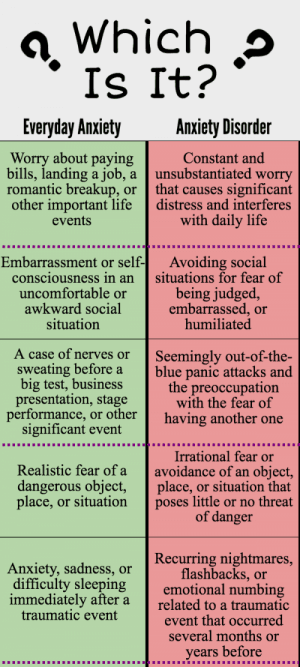
Anxiety disorders are the most prevalent mental health challenge we face. Globally, an estimated 275 million people, or 4% of the population, were affected in 2016.((Our World in Data: Anxiety Disorders)) In the U.S., 18.1% of the adult population suffers every year and 30% of people will experience anxiety at some point.((Anxiety And Depression Association of America: Facts & Statistics)) Anxiety disorders touch 25.1% of children between 13 and 18 years old and women are almost twice as likely to experience anxiety disorders than males. So if you’re feeling anxious or suffering from anxiety, YOU ARE NOT ALONE. Not only is anxiety highly common, it is also highly treatable. Yet less than half of people suffering seek treatment. Having been there myself, I know it is scary, confusing, frustrating and challenging. At times, it feels like it’s going to suffocate you or swallow you whole; and you fear you’ll never feel like yourself again. I remember a time when I stood at the front door sobbing because I didn’t want my husband to leave for work in the morning. It was not me. I have always been laid back, easygoing and fearless. And all of a sudden I was anxious, scared and full of fear. What made it even worse was feeling terrified I would feel that way forever. I remember calling a good friend on my way home one day from therapy. She'd suffered from anxiety too. I'll never forget it what she told me. It was a turning point in my healing.
“It WILL get better; you won’t always feel like this. I know it feels like it now, but you won’t. I promise, you will get better”.
Those words resonated deeply and stuck with me through the toughest of times. I desperately needed to know there was hope. Everyone I’ve spoken to who’s suffered from anxiety says something similar. I thought it would never end. I thought I was going to have to live like that forever (and I knew I couldn’t). I had no idea how I was going to get out of it. But they all got through it. In this article, I'll share real stories and recommendations from those who have been through anxiety, as well as tips and strategies from mental health professionals. All of them share one common sentiment: anxiety is common and can be treated. If you can summon up the strength and courage to take a few steps out of the darkness, you will find light. So if you’re out there wondering if you will EVER get through this, wondering if you will EVER feel like yourself again, wondering if this will EVER end…It CAN and it WILL. For those of you facing anxiety on any level, my hope is that you find at least one of these stories, strategies or resources helpful and supportive in working through your own process and journey.

What Is Anxiety?

People use the term ‘anxiety’ to describe everything from a stressful feeling or situation to a severe feeling of anxiety, and even anxiety attacks which can come out of nowhere and closely mimic the same symptoms of a heart attack. According to David Carbonell, PhD.(The Anxiety Coach):
“Anxiety is a set of emotions, thoughts, and physical sensations typically centered on some apprehension about a future event or potential occurrence. Anxiety is an ordinary emotion which is part of life. We would have trouble functioning without it. An anxiety disorder, on the other hand, is a condition in which a person has literally become afraid of their experiences of anxiety and tries to resist and prevent those experiences in ways that make the problem worse rather than better. People develop an anxiety disorder for various reasons. It seems clear that there are genetic predispositions to develop them. People who score high on a measure of ‘anxiety sensitivity’ are more prone to develop one.”
There are several major anxiety disorders including Panic Disorder, Generalized Anxiety Disorder, Obsessive Compulsive Disorder, Social Anxiety Disorder, and specific phobias of all kinds. When talking about overcoming anxiety, since there are such varying levels and degrees of what that means, there are also varying levels of treatment and support.((Anxiety and Depression Association of America: Understand the Facts))

What Causes Anxiety?

Here’s the technical answer from Jennie Morton:
“The experience of anxiety emerges from a cascade of events that are triggered in the body by the activation of the sympathetic nervous system (or fight/flight mechanism) in response to a threat. This is a very natural reaction that is designed to ensure our survival when under attack from a predator. An area of our brain called the amygdala acts as a kind of ‘smoke detector’ for environmental threats and plays a key role in triggering the fight or flight response. The amygdala((Science Daily: Amygdala)) is also involved in emotional learning and, based on our experiences from childhood onward, will label certain places, people, situations, etc. as either safe or unsafe. So while for many the experience of anxiety may seem irrational or illogical, there will be a reason why the amygdala has chosen to spark this sensation. Somewhere along the line it put a red flag warning on an event or even just a particular aspect of a threatening situation which it is then conditioned to repeat."
In my experience, if you’re suffering from anxiety, something bigger is going on. Anxiety is not the problem. Anxiety is a symptom of something. There are many complex and varying causes for anxiety, including;
  • Life experiences and events (including trauma)
  • Genetics and upbringing
  • Brain chemistry
  • Medical conditions (including blood sugar imbalance, thyroid dysfunction and gut imbalance/food sensitivities), and
  • Forms of stress including unhealthy relationships, demanding jobs, and financial obligations.
More often than not, anxiety is a sign you are out of alignment or out of balance in some way shape or form – mentally, emotionally, physically or even spiritually. It’s your body’s way of telling you something isn’t’ working. Something is not right. Our bodies are quite amazing. They have a way of telling us to slow down, do something different, pay attention or make a change. And if we don’t listen, guess what? They yell louder. And often, they speak the language of anxiety.
Remember, anxiety is a message. To honor this message, look deeper into what may be out of balance in your body, as well as your life. This may feel scary at first, but remember, the life you want is on the other side of fear! -- Dr. Kelly Brogan

How to Heal Your Anxiety

I'd like to introduce Erica Phillipson. Erica is a Graphic Artist, Yoga Instructor & Retreat Facilitator (and former Club DJ & Radio Show Host). Here, she shares her personal story and recommendations for overcoming anxiety: At the height of my anxiety, I thought I would never get through it. I didn’t just have anxiety, I had Panic Disorder. On bad days, I would have 6 or 7 panic attacks. They would sometimes last for over an hour and often it would take me a few hours to recover. The trauma I experienced took a toll on me both physically and mentally. Eventually, everything became too much for me. I didn’t want to get too excited/nervous/scared, I didn’t want to put myself in any situation that could trigger my panic, I didn’t want to leave the house. I felt like I had short-circuited. I even got to a point where I would worry that merely thinking about a panic attack was going to bring one on. I thought it would never end. But it did. It may have lasted 6 years, but I haven’t had a panic attack for over 6 years now! Having Panic Disorder pushed me to work through so much ‘stuff’. It forced me to really go deep within myself. Looking back at how much I evolved during that time, I can honestly say that my Panic Disorder has been one of my life’s greatest gifts. Without it, I would have stayed in a career that was not working for me; I would not have found balance in my life; I would still be saying yes when the answer in my heart is no. I would probably not be as grateful for the little things that make our lives so beautiful; I would not be the person I am today. I know who I am. I know what I want. I know what I am willing – and not willing – to put up with. I am happy! If I can get through it, you can, too. This anxiety you are facing is a tool for growth, but you need to be willing to work with it. Your body has given you anxiety because it is trying to tell you something but you have not been listening. It’s time to listen. As I went through my healing process, I tried every type of therapy out there, including: Cognitive Behavioral Therapy, Tapping, Vitamins, Homeopathy, Yoga, Hypnosis, Art processes, kundalini, Breathwork and medication (for a few months). I’m hoping that the knowledge I gained from these therapies will help you to heal quicker than it took me. The biggest thing I want you to know is that no one can heal you but you. Here are my recommendations:

1. Know your triggers.

Get to the root issue of what’s not working and what’s causing anxiety. For me, there were a few triggers. I was working too much, not sleeping, traveling every week and stressed out. I was afraid of flying (from a past experience as a child), so having to perform in a new city every week became a massive trigger for me. Living on my own became a trigger because I would arrive home in the early hours of the morning when no one was around (in one of the most dangerous cities in the world, Johannesburg). My radio show also became a trigger because it was naturally nerve-wracking for me. DJing at clubs became a trigger for me because it’s stressful having to keep a dance floor full and happy. Compounding these triggers resulted in the perfect recipe for Panic Disorder. I also used coping mechanisms to keep me going. I would get ready to DJ a show by drinking Coke and a shot of tequila so that I was ‘awake and smiling’. Now this may sound extreme, but my guess is many of you have your own versions of this – taking medication for that headache every day, having one too many glasses of wine every night, taking sleeping pills so you can sleep or drinking way too much coffee to get through the next hour of work. All of those things are masking something that’s not working. Find out what they are and eliminate those things from your life. Make the changes step by step, and eventually you will begin to understand your anxiety and get what your body is trying to tell you. It’s not going to be easy, but it’s going to be a heck of a lot easier than living the way you are right now.

2. Find what brings you JOY and add more of that to your life.

Find what brings you balance, makes you feel good, or brings positivity. Do what you love. Find things that are aligned with your heart, your soul, your purpose.

3. Surround yourself with people that ‘get you’.

Unless you’ve had anxiety, you can’t really understand how it feels. Not many people got what I was going through. So many times I suffered panic attacks ‘in broad daylight’. I would be hosting my show, DJing to a thousand people, at a fundraiser for the “South African Depression and Anxiety Group” (ironic!), and wouldn’t tell a soul. Others would try and help by telling me ‘it was going to be ok’ or ‘I must think about something else’, but they had NO idea how dark it was. I thought I was going to die. I thought I was going to lose my mind and never come back. It’s important to find your people. Maybe they have gone through it themselves, maybe they just know how to support you unconditionally, maybe it’s a therapist who can support and normalize what you’re facing. My husband was my rock, his love helped me heal. My best friend was incredible, she took my panic attacks seriously and that meant the world to me. I also found immense comfort in my dog, Nala. She truly was my emotional support dog.

4. Take care of your body.

Eat healthy foods, practice yoga, journal, exercise, breathwork, sleep... These were critical in my healing.

5. Acceptance.

When I stopped fighting my panic attacks and faced them, they moved through me much more quickly. Being aware of what has triggered you and how you are feeling will help you to gain perspective and slowly. But, surely you will understand that you are safe and nothing is going to happen to you.

6. Get to know yourself.

This was the single most important factor of my healing. So much of my anxiety was caused from being out of alignment with who I was, I had to get REAL. I found myself in a life that was NOT working for me. I was in a job that wasn’t me. It was glamorous, fun and amazing from the outside; it looked like the dream job. But it wasn’t me. It wasn’t what I wanted to do or how I wanted to do it. I had to look at who I was, what I wanted in life and what truly made me happy. I had to dig into my beliefs, values, and moral compass. Please, as you go through this, don’t be so hard on yourself. Be gentle and nurturing. This is a process and takes time. There is no one way to heal from anxiety. The root cause is different for different people and the solution will be as well. Try everything. Note what works and let go of what doesn’t. Lastly, consider that the universe might just be giving you a gift. Maybe say to yourself:
“Here’s a gift. It’s called anxiety. Let’s see what it brings me”.
I wish I had that perspective and I hope it helps you."

Conclusion

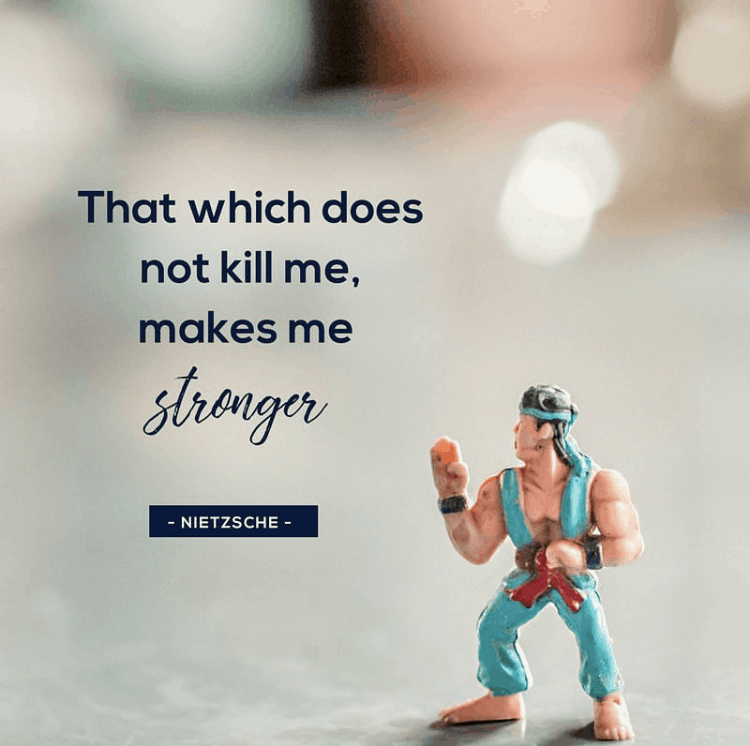
I love Erica's incredible story and am so thankful she's shared it with us. It's a poignant reminder that there's a reason you have anxiety and that there are things you can do to overcome it. Personally, I addressed my anxiety from an integrative, holistic approach as well. I stepped back and assessed my life and looked at what needed to happen mentally, emotionally, physically and spiritually. I went to therapy, worked with a coach, made some important life changes, got bodywork, read books, did yoga, and practiced meditation. I learned grounding techniques. I changed my eating. I cut out alcohol, caffeine and artificial sweeteners. I tried everything I could get my hands on. I kept what worked for me and let go of what didn't. I was able to work through my anxiety too…and though I can’t pinpoint exactly what helped the most, I know it was this integrative, multi-faceted approach that made a difference. Today, I wouldn’t say I’m back to my old self. I’d say I’m happy to be my new self. As Nietzsche so wisely said many years ago, “That which does not kill me makes me stronger”. It’s true. My experience with anxiety has helped me evolve into the more conscious, thoughtful, connected and compassionate person I am today. For those of you facing anxiety on any level, my hope is that these stories and recommendations are supportive in helping you work through your own process so you can move forward and uncover that 'gift' Erica spoke about. Your next step? Take a step forward -- any step. That may mean trying one of the techniques you’ve read here or reaching out for help. There are many forms of fantastic therapies that can help - but they can only work if you do. Don't miss PART 2 of the Anxiety Series which includes additional stories and lots of great strategies from mental health professionals and experts. And below are some additional resources to support you in your healing.

Resources and Websites

Therapists If you’re experiencing persistent and excessive levels of anxiety, I highly recommend you reach out to your doctor, therapist or specialist for support. To find a therapist near you, reach out to someone you trust who can make a recommendation, contact one of our professionals above or find someone here: Additional Websites

Wednesday, 1 May 2019

Why Do I Feel Depressed Every Once in a While for No Reason?

Many people ask themselves, “Why do I feel depressed for no reason?” The truth is that there is always a reason. They just don’t know what it is. The brain is a complex organ, and it takes a great deal of self-awareness to fully understand our thoughts and emotions. Mild depression is quite common. We all have periods in our lives when we feel sad, and have trouble shaking it off. It may not seem like a big deal, but if we let mild depression fester, then it can diminish our health and quality of life. Do you want to spend your precious time feeling down, or living life to its fullest? Below I’ll discuss some of the common reasons why you may feel depressed, and then share with you some simple and effective tools for getting you out of your funk, and to help you develop the self-awareness and inner strength to prevent it in the future.

Why Do I Feel Depressed?

Understanding why you feel depressed is an important step to treating and preventing depression. You don’t have to be a trained psychologist to figure out why you’re feeling sad. Sometimes, you just need to observe what is going on in your body, mind, and your life. Here are some of the more common causes of mild depression:

Feeling Stress Out and Overwhelmed

Stress can be a major contributor to mild depression. Busy people have many commitments, such as work, family life, and extracurricular activities. All of these can leave you feeling stressed and overwhelmed. The way stress contributes to depression is that when you’re so busy, you don’t have time to give your mind a rest. When this happens, your thoughts gain so much momentum that it’s almost impossible to slow it down. And when your mind is racing out of control, you begin feeling like you’re losing control of your life.

Physical Health Conditions

What is your body telling you? There are various physical conditions that can lead to depression. One of them is Vitamin D deficiency. Studies have shown that approximately 42% of Americans are deficient in Vitamin D. The numbers are much higher among Hispanics and African-Americans, 69% and 82% respectively. The solution for vitamin D deficiency is simple. Either get more of this vital nutrient through diet or supplementation, and get a little more sunlight.((Healthline: 8 Signs and Symptoms of Vitamin D Deficiency )) Changes in hormones can affect your mood. The changes may be due to thyroid function, menstrual cycle, and level of physical activity. Exercise, in the short-term, can make you feel irritable. In the long-term, it can help you feel better about yourself. Lack of sleep can also negatively affect your mood, and your ability to focus, which can also make you feel irritable. Maybe you’re not getting enough, or good quality sleep.

The Past Keeps Coming Up

The wounds from your past can affect your mood without you even realizing it. If you have not fully come to terms with painful past events, then anything that reminds you of them can make you feel depressed for no apparent reason. Even if nothing reminds you of painful events, the unconscious memories act like an undercurrent of painful thoughts that manifest themselves in your behavior and moods. For example, if a partner in a past relationship betrayed your trust, similar behavior by a new partner can trigger the same painful emotions, sometimes without you realizing where those emotions are coming from. The subconscious mind remembers everything.

Thinking That Everyone Else Has It So Easy

Does it seem like your Facebook friends have more exciting lives than you? It’s possible their lives aren’t as exciting as they may be portraying, and you may be comparing your life, including all the ups and downs, with the highlights of their lives. This is unrealistic. Keep in mind that excitement is not the same as true happiness and fulfillment. Excitement is a temporary sense of pleasure, and true happiness is a general state of being. It is quite possible that other people are putting up a façade to mask the pain they feel inside. The best thing to do is not compare your life to that of others, but rather to keep doing the things that bring you true happiness and fulfillment.

Being Disrupted by Changes in Life

A basic fact of life is that everything is always changing. Nothing ever stays the same. And if you expect things to stay the same, then it’s just a matter of time before you’re disappointed, and begin feeling depressed. A good example of this is intimate relationships. We all love that euphoric feeling of when we first fall in love with someone. Well, those feelings change. Sometimes people drift apart, or their love for each other changes to a deeper caring for their happiness, and not just our own. Some people can’t deal with those changing feelings. If two people begin drifting apart, sometimes they do everything they can to recreate those initial feelings. They have trouble letting go and moving on.

People Are Not as Expected

Many of us have unrealistic expectations of other people. We can often be overly critical of others, while at the same time expect them to be forgiving of our faults. If we only see other people’s faults, then we limit the number of people with whom we can have close relationships. And if we don’t have close relationships, then we are more susceptible to getting depressed for no apparent reason. We need to remember that other people are fallible, and we can’t make them perfect, nor is it our job to do so. If we’re going to have any quality relationships in our lives, then we need to accept people as they are.

Wishing to Have More Friends

You’ve probably heard it before: Humans are social animals. However, some people have difficulty connecting with others. They either have not developed good social skills, or are afraid of getting hurt.((Edge.org: Humans Are By Nature Social Animals)) Whichever the case, not having good relationships with other people leaves us vulnerable to depression. And pets are not enough. We need other human beings. One of the ways that other people help prevent us from getting depressed is that they give us support in dealing with life’s problems. They can help us sort things out in our mind, and provide us with the support necessary to build our inner strength, which will make us more resilient to depression.

The Changing Weather

Studies have shown that the weather can affect our mood. Sometimes, just a few rainy days can make you feel depressed. During rainstorms, some people’s tendency is to turn off the lights and crawl in bed. Clinical psychologist, Tecsia Evans, Ph.D., says it is better to turn on the lights. Studies have shown that light can increase serotonin, which improves our mood.((WebMD: Can Rainy Days Really Get You Down?)) Prolonged periods of poor weather can give us the blues without us realizing that is the cause. The winter months are notorious for bringing on mild depression, and sometimes severe depression. If you live in a colder climate, then you are more likely to be affected by seasonal changes. Interestingly, women are more likely to suffer from adverse weather-related depression.

How to Beat the Blues

Now that you have a better idea of why you feel depressed sometimes for no apparent reason, here are some measures you can take to lift your mood. The first part is a list of quick tips to get you out of your funk. The second part is a list of preventive measures to help build your inner strength, and keep you from getting depressed in the first place.

Quick Tips

We sometimes feel depressed for no reason because our mind is focusing on unpleasant things that may be going on in our lives. Here are some tips to quickly lift your mood by diverting your attention to more positive things. While they’re designed to treat mild depression, they can also be used as preventive measures if you incorporate them into your life.

1. Go for a Walk

One of the easiest and most enjoyable ways to improve your mood quickly is to go for a walk. It helps you relieve stress by clearing your mind and getting out of yourself. Walking can be even more calming if you do it mindfully. It’s simple. Just slow down your pace, and focus your attention on each step. When your mind wanders off, just bring your attention back to your footsteps.

2. Call a Friend or Family Member

Talking to someone else can help you sort things out in your mind, even if they don't give you any advice. Sometimes just verbalizing what is going on in your life can help you figure out why you feel depressed. Other people can also provide you with support. Just knowing there are other people who care about you can be enough to improve your mood.

3. Play with a Pet

Pets are great for giving us unconditional love. If you have pets, spend a few minutes of quality time with them. They can quickly brighten your day.

4. Make a Gratitude List

This is a powerful tool for helping you put things into proper perspective. We sometimes tend to focus on the things that are going wrong in our life. A gratitude list can remind you of all the things that are going right. Just make a list of things you are grateful for, such as good health, a job, family, etc. If you don’t have these, then dig deeper. Do you have food, shelter, and clothing? Many people in the world don’t have some of the things we take for granted. Here're 60 Things To Be Thankful For In Life.

5. Plan a Fun Activity with a Friend

We sometimes feel depressed when all we’re doing is working, and taking care of commitments to others. Take some time for yourself to do something you enjoy, such as going out to dinner with a friend, or to see a movie. This will give your mind a rest from all your problems.

6. Hug Someone

Feeling the warmth of a friendly embrace can make all the difference in the world. If you have a close friends or family members, give them a hug. Chances are they can also use a warm hug.

7. Let the Sunshine In

You’d be amazed at how something so simple can make you feel better. As noted above, studies have shown that sunlight can improve your mood. Even better, open the windows and smell the fresh air, and listen to the birds sing.

8. Treat Yourself

As a general rule, I usually don’t recommend indulging in sensual pleasure to fix ourselves. However, sometimes it’s fun, and harmless, to be a little bad, so long as you don’t go overboard, or make it your go-to solution to all your problems. So treat yourself to your favorite coffee, music, or restaurant. Want some ideas? Here're 30 Ways To Treat Yourself No Matter What.

Preventive Measures

One important lesson I learned when I was young was that it is much easier to prevent depression, than to treat it after it sets in. Here are some practices to address the most common causes of mild depression we discussed above. They are simple, yet powerful, practices you can easily incorporate into your busy schedule to prevent you from getting depressed for no reason.

1. Meditation

Meditation is a powerful tool for helping us develop a strong mind and stable emotions. By calming our mind, we can develop our ability to see things with greater clarity, therefore, gaining a better understanding of what is happening in our mind and emotions. Meditation will also help us heal the wounds from our past, so that they no longer trigger the painful emotions associated with them. Meditation has many other benefits that can improve your quality of life, such as lower stress, improved physical and mental health, better sleep, and more. It can even help you live longer. On a basic level, meditation is simply giving your mind a rest from all the sensory stimulation, and letting it settle down naturally. The great thing about meditation is you don’t have to spend a lot of time to get some benefits from the practice, and you don’t have to do it perfectly either. To meditate, all you have to do is sit comfortably in a chair, preferably in a quiet place for a few minutes. Close your eyes, and begin following your breath. When your mind wanders off, just bring it back to your breathing. Start with meditating for about 5-10 minutes a day or every other day, and then gradually increase it as you’re able to sit longer. Don’t worry about whether you’re doing it correctly, or if you miss a few days. Any meditation is better than no meditation. There are more techniques to meditation, but this is a good start.

2. Loving-Kindness Writing Meditation

Loving-kindness meditation is a common practice in some Eastern spiritual traditions. Generally, what they do is either listen to, or recite a set of positive affirmations, such as “May I be healthy and strong, loving, kind, and compassionate.” With the writing meditation, you copy the affirmations by hand in a notebook. What this does is literally reprogram your subconscious mind, so that you naturally begin living according to the ideals of the affirmations without any conscious effort. Now, how cool is that! What’s even better is that you only have to do the writing mediation for about 5-10 minutes a day, and you don’t even need a quiet place to do it. You can find the exercise by googling “loving-kindness writing meditation.” Try it. It really works, and fast.

3. Volunteering

Volunteering is a great way to help you stay grateful for everything you have, and keep you from feeling depressed. It helps you keep your life in proper perspective. There are so many people out there who are struggling, and need your help. Yes, YOUR help. And I don’t mean monetarily. They need someone to talk with, to let them know they’re not alone with their problems, and that someone cares about their well-being. There are so many ways you can help those in need. Here are a few of ideas:
  • Homeless shelter: These shelters operate with limited resources, and need help with their daily operations. You have valuable life experiences that can help their clients. It is truly gratifying to know that you helped someone get back on his feet.
  • Prisons: There are many inmates who have made mistakes in their lives, and sincerely want to change their ways. They’re not that different from the people at the homeless shelter in the sense that they need help learning life skills.
  • Nursing homes: One of the saddest things is to grow old, and be alone in this world. Many of the elderly don’t have any family or friends, as they’ve died before them. And even if they do have family, their visits are few and far between.
You can truly brighten their day by just being there and talking to them for a little while. Not only is this a gratifying experience, but you can also learn a lot. The elderly have great life experience to share with you.

4. Joining Social Groups

Participating in a social group is a great way to stay connected with other people who can help you navigate the challenges of life. There are many types of groups, such as hobbies and social groups. While these are helpful, I think the ones of greatest value to help prevent us from getting depressed are support groups and spiritual groups. These types of groups are specifically designed to help you deal with life issues. You can also develop much deeper bonds with the people who attend them, compared to a hobby or social group. A good resource for finding groups in your area is Meetup.com.

Final Thoughts

Feeling depressed for no apparent reason, or mild depression, is quite common in today’s busy world. The more activities we have, the more thoughts we have, and the more they can trigger painful emotions. There are three basic ways to treat and prevent mild depression:
  • Cultivate a calm mind, i.e. fewer thoughts
  • Cultivate more positive thoughts
  • Transform the way you process events in your life
The suggestions discussed above will address all three. So, now you have the tools to not just treat and prevent mild depression, you now have a formula for being happy most of the time, for no apparent reason.