Amid a million diets, it leaves many people wondering: what does a balanced and healthy diet for weight loss look like? Is it better to eat high fat? Keto? Paleo? While there are many different diets out there and it is true that some work better than others, there are a few staples to weight loss that rings true across the board! If you have been wanting to lose weight for quite some time but are done with short-term and fad approaches, then this article is definitely for you. Be prepared to lose weight in a healthy and sustainable way while claiming back your energy like never before!
1. Know the Basics
I know you've heard the term before: calories in vs calories out. While I don't believe that is all there is to weight loss, it does play a part! If you are eating 3000 calories and burning only 2000 throughout the day, you will lose weight. But how exactly do calories work and how do they play into weight loss? The first thing you need to know is this:
3,500 Calories = one pound of fat! That means if you were to eat 500 calories less than you burn, you would lose roughly 1 pound a week. If you were to eat 1,000 calories less, you would burn 2 pounds of body fat a week. Obviously, this isn't all there is to it. If so, it would mean you could eat 1,500 calories of sugar and still lose weight, which is entirely untrue. However, it is important to understand! A lot of people will eat healthily and think calories don't matter. But that's not the truth. If you are eating handfuls of nuts every day, you probably won't lose weight very easily. If you meet most people who say they eat healthily and don't worry about calories, I can almost guarantee you that there are some secrets that they might not even know they are following that help them lose weight effortlessly. I'm about to show you some of those secrets in this article, but make sure you always remember this key. Calories do matter, but the trick is to feed your body in a way that you feel satisfied off of fewer calories so that your body won't trick you into craving more.
2. Understanding Macros
The number one thing I tell people when they want to lose weight is to understand what macros are and how they affect your body. First, what are macros? "Macros" is short for the phrase macro-nutrients. Unlike micro-nutrients (which are the vitamins and minerals your body needs to function), macros are the building blocks your body needs. Each one has a different function.
Protein
Protein is probably one of the most essential for weight loss, for several reasons. First, it boosts your metabolism by 15-30%((HealthLine:
10 Easy Ways to Boost Your Metabolism (Backed by Science)))In addition to that, the more muscle you have, the higher your BMR (how many calories you burn at rest). Since protein is the direct "building block" for muscle, it can help you lose weight more long term. In addition to those benefits, protein is digested slowly, which helps balance your blood sugar and reduce cravings throughout the day.((HealthLine:
10 Science-Backed Reasons to Eat More Protein)) So yes, protein is extremely important! However, if you are vegan or vegetarian, don't lose heart. There are still plenty of
high-protein foods you can enjoy while on a meat-free diet.
Carbs
Woah woah woah! Don't go carb bashing just yet! As it turns out, carbs are an essential part of daily living!((Reid Health:
Carbohydrates 101: The benefits of carbohydrates)) The problem, however, is that most people don't know how to eat carbs while maintaining stable blood sugar. More on that later. But for now, let me just state: carbs are not the bad guy. Carbs are the body's main source of energy, meaning they can actually improve your workouts and help you burn more calories overall. In addition to that, carbohydrates contain fiber, which is essential for good digestion. And yes, fiber can help you lose weight as well by keeping you feel full throughout the day. Vegetables, which are comprised mostly of carbs, can contain many essential micronutrients that are necessary to lose weight long-term. That being said, carbs are notoriously bashed for causing weight gain and that is true IF you are getting them from the wrong sources. However, carbs from the right sources can be extremely beneficial to weight loss.
Fats
Fats, much like carbs, can sometimes have a bit of a bad rap, although diets like keto and Atkins have slowly been changing that. Fats are much higher in calorie density than any other macro, which means that a little bit can go a long way. Just four tablespoons of oil contain 480 calories, which is the same as 10 cups of watermelon! You can see how fats can easily get out of control on a weight loss diet. However, they also contain a lot of benefits, which means we shouldn't cut them out entirely. Much like carbs, the types of fats have a lot to do with the effect it will have on your body.((EatForHealth.gov:
Fat)) However, don't underestimate powerful healthy fats. Omega-3's, for example, are powerful anti-inflammatories and have a range of other health benefits. Fats are actually an essential part of hormone balance as well, which is key for most women on a weight loss plan. These three Macronutrients are all essential. While you can easily cut out one of them for a while, cutting out any macronutrient long term can cause a lot of harm!
Know Your Right Balance!
Now that you know what each macro does and how it benefits you the most, the key is finding out what actually works the best for you! For instance, some people tend to do better on fewer carbs while others thrive on more. However, as a general rule, when trying to lose weight it's best to amp up your protein while slightly reducing both carbs and fats. In other words, fill up on veggies, have healthy fats in moderation, and load up on carbs, like vegetables that have a low caloric density, which leads me to my next point.
3. Eat Foods at Low Caloric Density
I love this point! In fact, when I'm cutting out food, it is the rule of thumb that I live by. Why? The most simple way of explaining it is that I enjoy food! Having a healthy diet for weight loss doesn't have to be a daunting experience. I don't like feeling like I'm walking around on an empty stomach all day. Another pro is that low-calorie foods tend to be full of nutrients, which make me feel amazing! The easiest approach is to sub a few things out of your favorite meals. If you like pasta, for instance, try using veggie noodles as a base instead! You will very likely cut the calories of that meal in half while still eating the same portion size! Go back to my reference of fat: 4 tablespoons of oil has the same amount of calories as 10 cups of watermelon. But which one will help you feel more full? Adding more low-caloric dense foods, like vegetables, will help you feel full and satiated while still helping you get to the results you want!
4. Master Blood Sugar Balance
If you really want to become a fat-burning machine, it means mastering your blood sugar! What is blood sugar? Blood sugar is the main source of energy (or sugar) found in your blood.((Revifi.net:
What Is Blood Sugar Imbalance?)) It comes from the food you eat, and it is essential at certain levels. However, spikes in blood sugar can cause a huge problem! Foods that are absorbed quickly will cause blood sugar spikes and trigger an insulin response. This response will trick your body into storing more body fat and will create a sudden "drop" in blood sugar making you feel tired and hungry. Think of a time when you were a little kid and overdid it on the sugar! For a while, you had a surge of energy and felt unstoppable. But soon after, you felt tired, lethargic, and emotional. You just wanted more sugar! The same thing happens in our adult bodies when we have sugar, white bread, or other
high glycemic foods. To keep it simple, it's best to avoid sweeteners, white flour, white rice (any white food really), and other high glycemic foods entirely. Instead, get the majority of your carbs from vegetables and whole grains (like quinoa, brown rice, or whole oats). To become a powerhouse, make sure you add plenty of protein and moderate amounts of fats to each meal. Since these foods are digested slowly, they will release a steady stream of glucose and keep you feeling good until lunch. Just using these techniques alone will create a healthy diet for weight loss that you can easily follow! I always tell my clients that this is the number one staple for any type of weight loss. If you have cravings, I can almost guarantee you that this is a primary reason why!
5. Let Water Do the Heavy Lifting
Did you know that if you were to follow a diet high in protein while balancing blood sugar and drinking tons of water, you would most likely lose weight naturally? It's as simple as that, and it's key to a healthy diet for weight loss. Water can help do a lot of the heavy lifting for us by reducing cravings and boosting our metabolism. However, where most people struggle is remembering to drink water throughout the day. After all, we all know it's good for us. Why don't we do it then? For those reasons, instead of telling you to drink more water (you already know that) I'm going to share some of my secrets on how!
Find a Good Electrolyte Mix
Electrolytes are essential minerals in our body, such as potassium, sodium, magnesium, etc. When we drink plenty of water or workout, our body can get easily depleted of the electrolytes we need and making us feel thirstier. I can't speak for everyone on this, but I can say that for myself when I've depleted my electrolytes, drinking water feels unappealing. Adding electrolytes is a quick and easy fix that makes water feel more quenching. My trick is to add some electrolytes to my water bottle before I leave for the day. That leaves me craving water MORE, and it makes water more satisfying. Of course, this naturally leads to me drinking more water throughout the day. One key is to make sure you find one without sugar. There are plenty of good brands out there that sweeten theirs with Stevia or are even entirely unsweetened. My favorite type comes in a bottle and is unsweetened.
Find a Large Water Bottle With a Straw
If it's easy to access, we're more likely to have it! This principle comes into play when we try and keep the candy trays off of our desks. However, the reverse also comes into play with things we should have! Keeping a large water bottle nearby with a straw will make it easy to sip throughout the day without keeping you from your work. My favorite ones are about a gallon in size, making it easier for me to sip without even realizing it!
Step up Your Water Game
I'll be honest, I don't really like to sweeten my water because it tends to make me crave more sugar. For this reason, I recommend using simple water flavors to give your water a boost. If you have a good cold bottle of water with some electrolyte drops and cucumber, you probably won't want to stop sipping away. You can even make flavored water with berries, lemon, mint, and plenty of other great additives! I've found that staying away from sweeteners entirely has made my fitness progress way more successful. If you absolutely HAVE to, I recommend using only water flavors that have stevia and monk fruit in it. Sugar and most artificial sweeteners will most likely send you down the wrong path with your nutrition.
6. Eat Frequently
Starvation diets don't work. They will leave you hungrier at the end of the day and will only slow down your progress. Make eating healthy meals a priority! That doesn't necessarily mean you have to follow the 6 small meals rule of thumb, but it does mean that you should be careful not to eat skimpily throughout the day only to binge at night
7. Lastly, Track Your Progress
Wait, isn't this an article about a healthy diet for weight loss? Absolutely! But one thing to remember is that psychology plays a huge roll in reaching your goals! If you really want to get to where you want to be, it means keeping yourself motivated! Set a goal for yourself that excited and motivated. What is the one thing that excites you? What would change if you reached your goal? How is not being at your goal affecting your life? These are the questions you need to ask yourself and always remember before starting on your journey.
Keep track of where you are but in moderation. The best way is to track your body fat percentage once a week. This will keep you from getting discouraged and will show you how much body fat you are losing, even if you might be gaining some good weight from muscle.
Final Thoughts
I'm excited for your journey to health! Making a decision to live a healthier lifestyle is a pivotal part of most people's lives. I can promise you that you won't regret it!
More Tips for Weight Loss

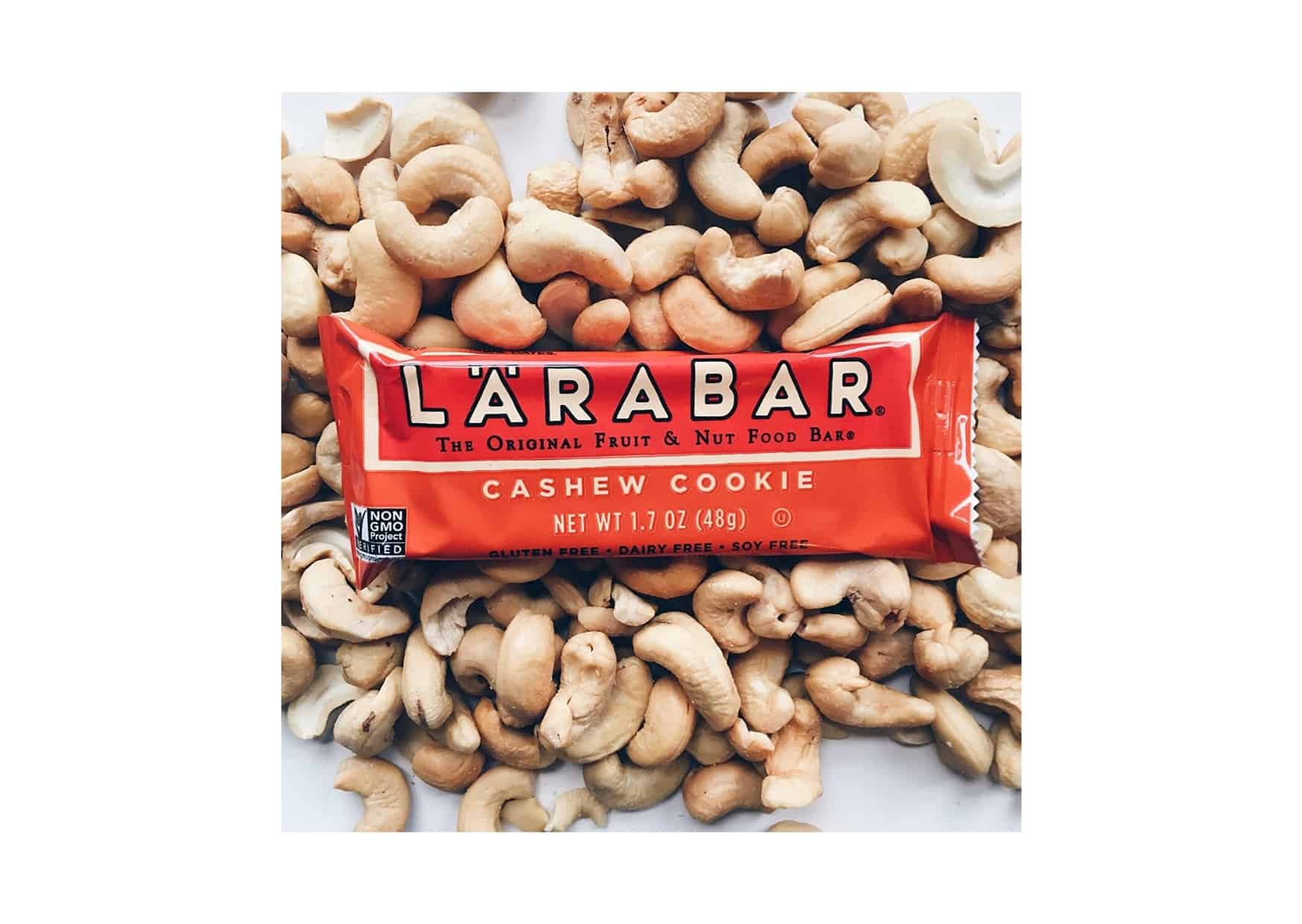 First on our list of vegan snack bars is the Larabar, though it’s not technically a bar. The company promotes this particular brand as a cashew cookie as well. Regardless, it’s made out of whole foods and uses 2 core ingredients: cashews and dates. It’s not going to taste like a traditional cookie, but it is vegan friendly since it’s Gluten-free, non-GMO, vegan, soy-free, dairy-free. Buy this vegan snack!
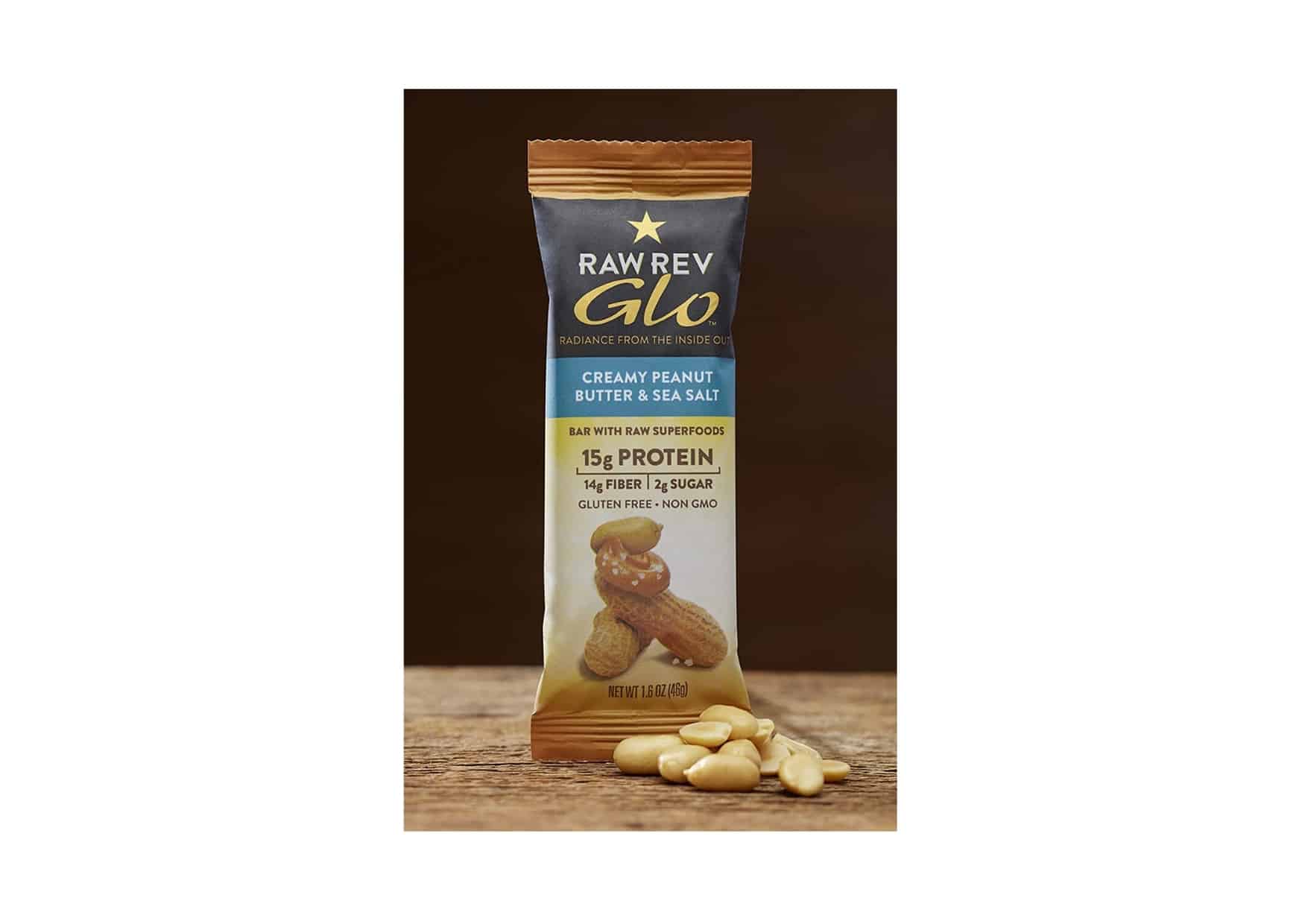 For those getting into their vegan diet and in need of a quick snack on the go, a simpler option is Raw Rev’s bars. These are more on the sugary side with flavors like birthday cake and double chocolate brownie batter. However, they also have other unique flavors with their own benefits. For example, the peanut butter and sea salt bars have lots of protein in them. The whole emphasis of these bars is to have good taste wrapped in a bar that’s still vegan friendly. I’d recommend these for those getting into a vegan diet as a middle ground since there are 2 grams of sugar in each bar, which is high for nutritional bars. Buy this vegan snack!
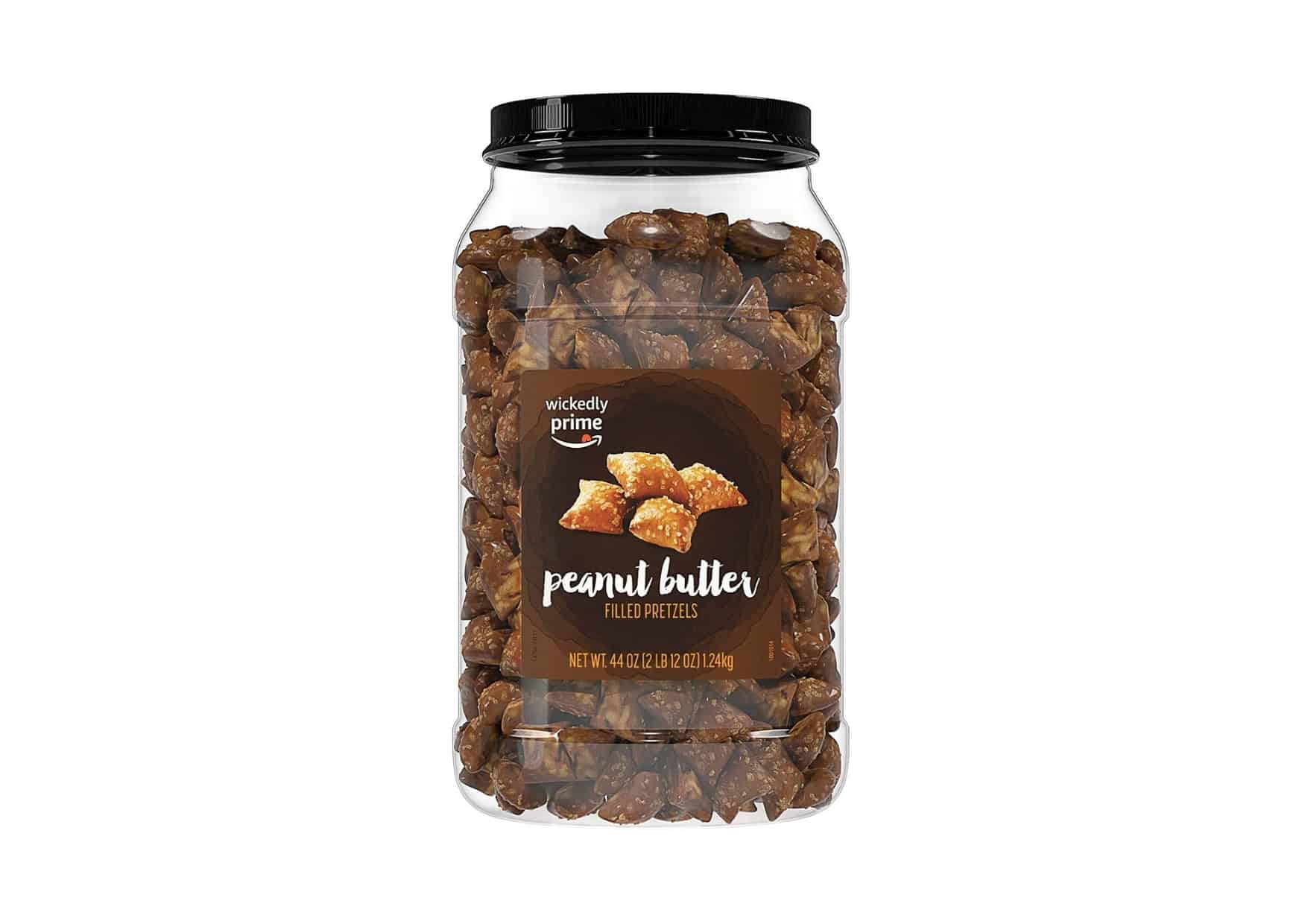 Straying a bit away from nutritional bars, you’ve got Wickedly’s peanut butter pretzels. This is an Amazon brand exclusive so you won’t find these in other stores. That said, these best vegan snacks have no sugar in them. Their main ingredients are wheat, peanut butter, and salt. Buy this vegan snack!
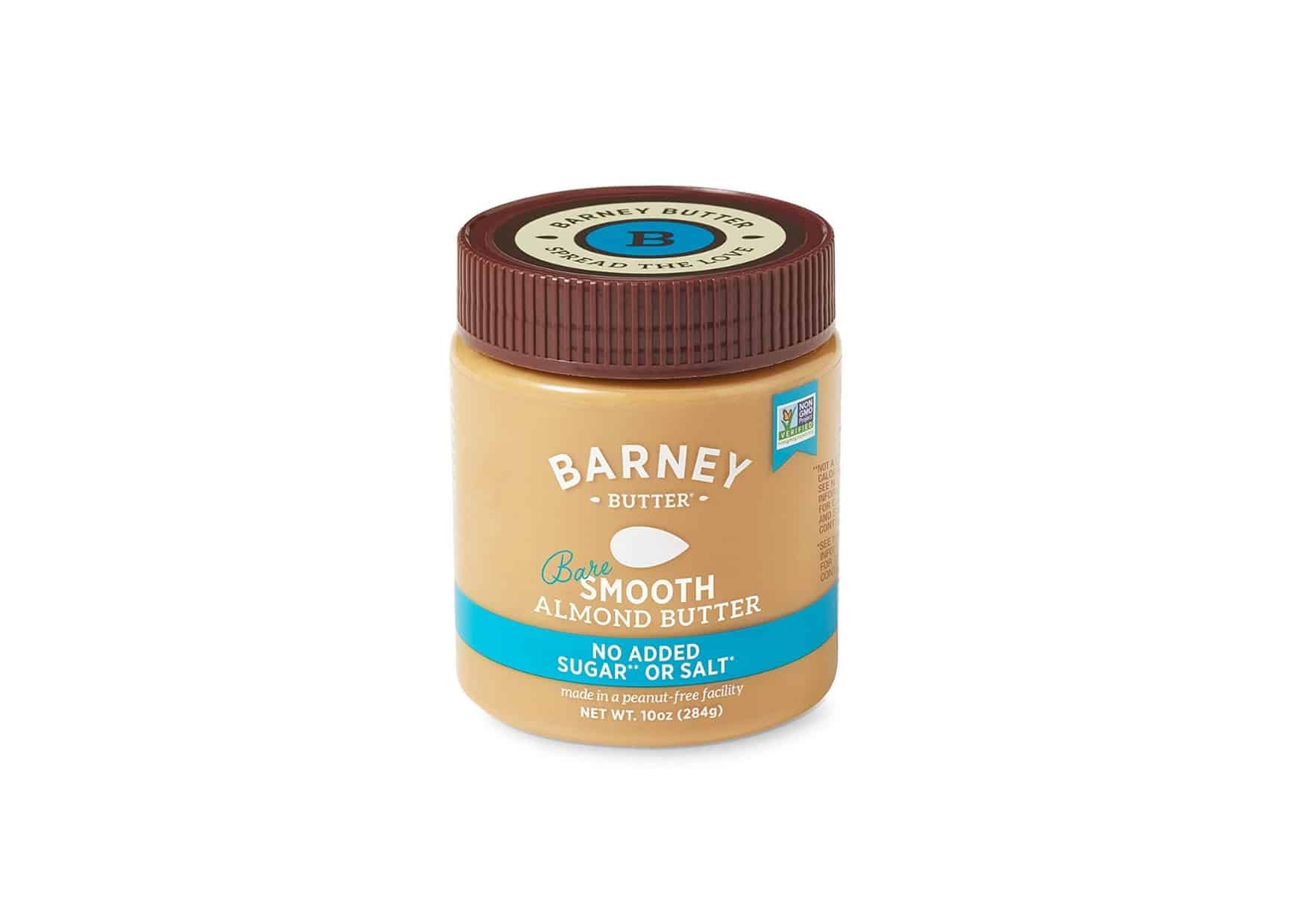 The food industry has changed a lot. For the longest time, companies pushed peanut butter and only that. But now that there has been more research and we’ve uncovered that some are allergic to peanuts, there are lots of alternatives. Almond butter is one of those alternatives. Even if you don’t have a peanut allergy, almond butter is still incredible and healthy as well. Barney’s particular brand focuses on providing only the essential ingredients, avoiding the addition of sugar and salt to most other kinds of butter around. Buy this vegan snack!
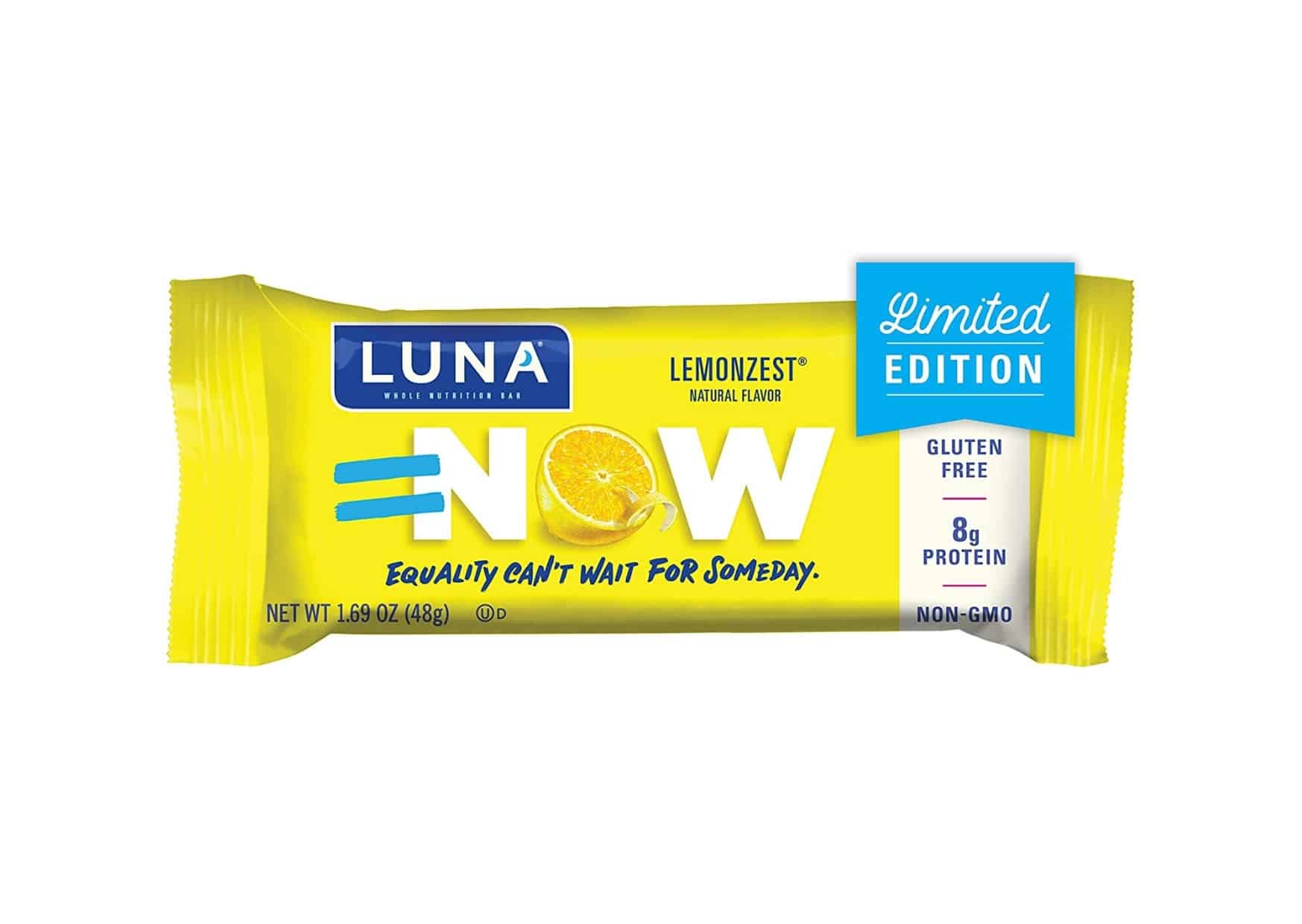 Plant-based products have also grown in popularity with plant-based meat making a huge wave in recent years. Luna’s bars are along the same vein as they focus on making plant-based health snacks. They offer between 8 and 9 grams of protein per bar and a host of flavors to pick from like lemon, sea salt caramel, and white chocolate macadamia, among others. Buy this vegan snack!
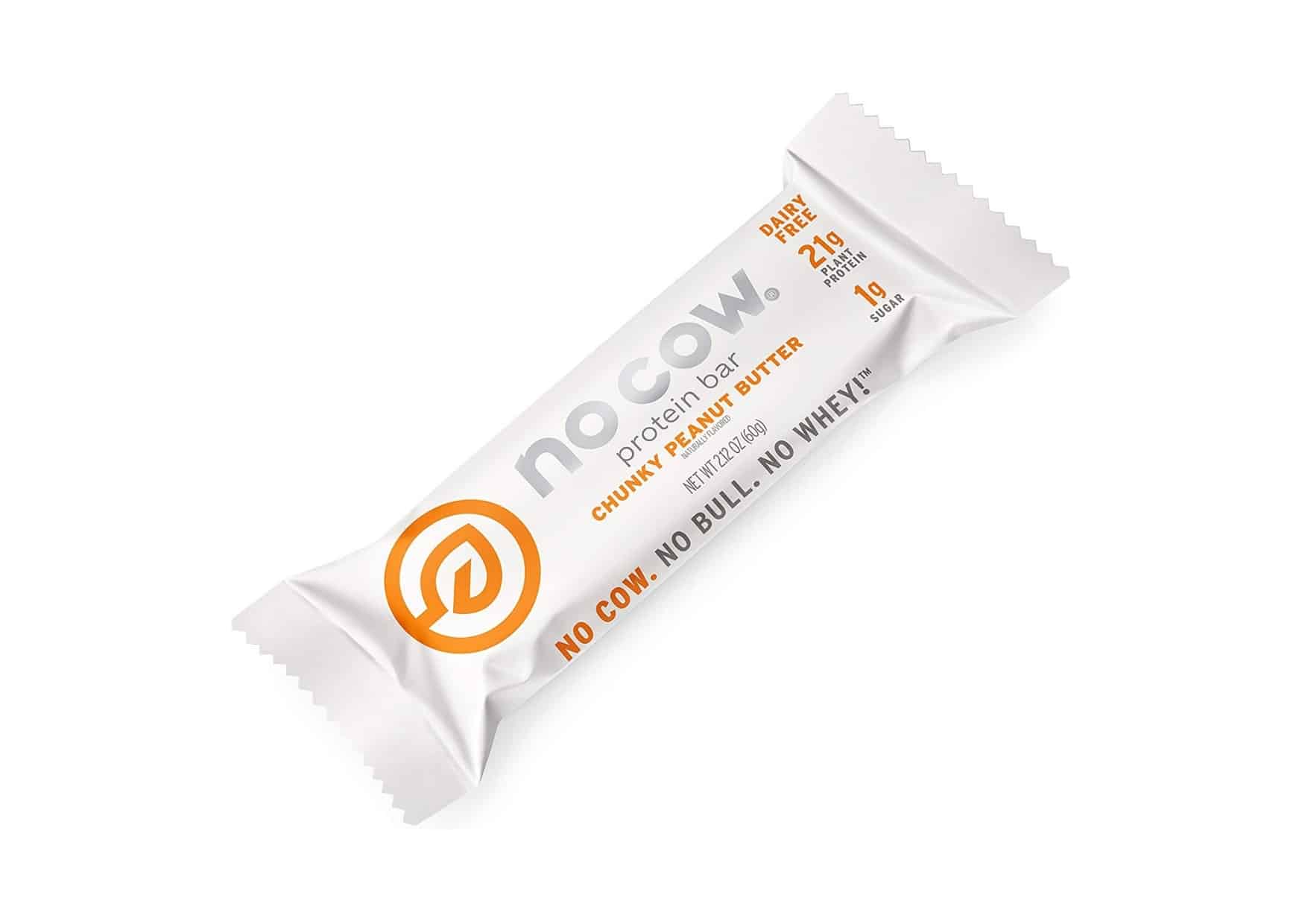 For those who are on the plant-based vegan snack train but want more protein, I’d turn to Nocow’s brand. With a single bar providing 21 grams of plant-based protein, you can easily reach your protein amount with no problem. If the amount of protein is concerning, rest easy because these bars are certified kosher, dairy-free, low on carbs and sugar, and Keto friendly as well. Buy this vegan snack!
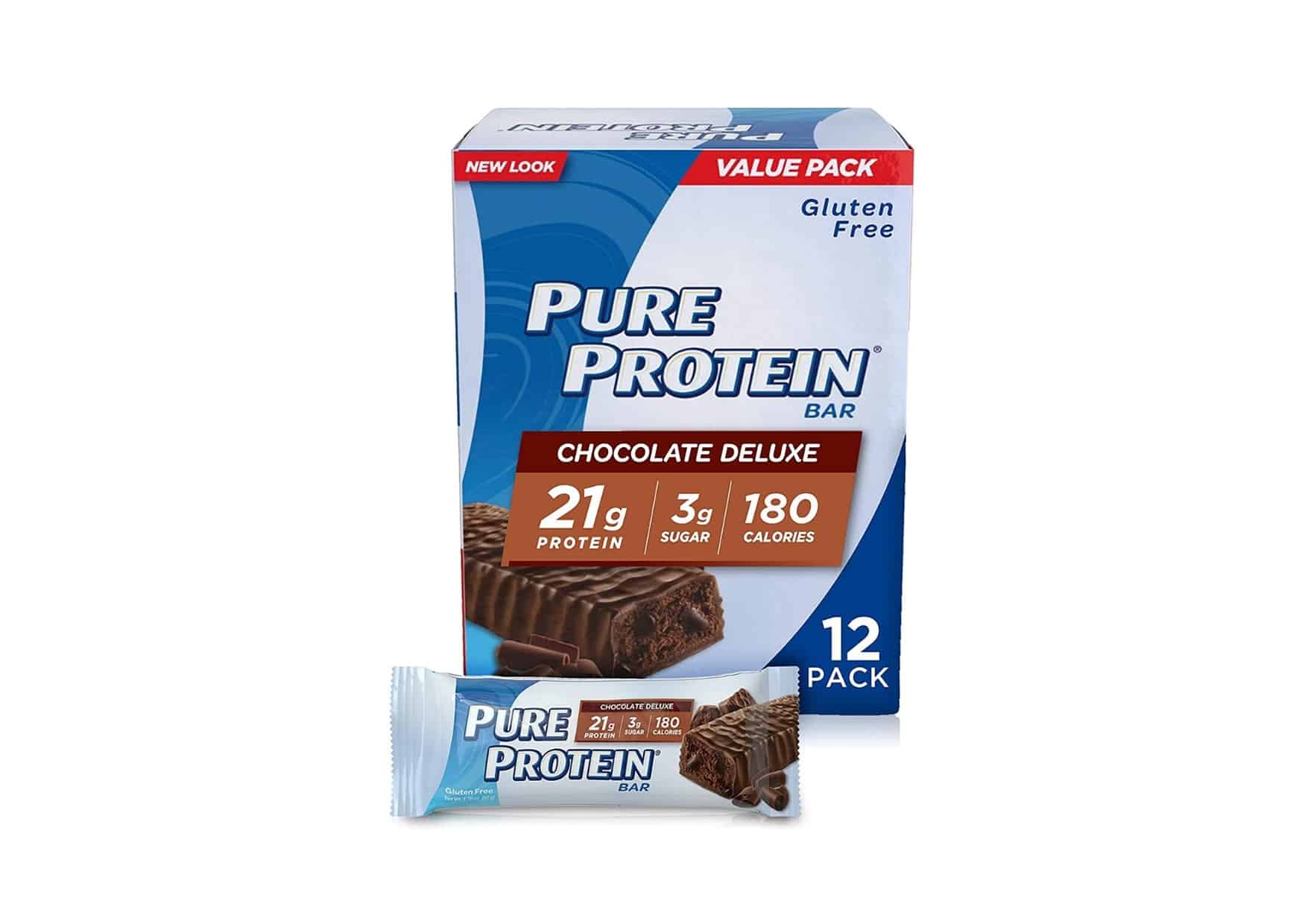 Another good contender for high protein is the Pure bars. These gluten-free bars boast 21 grams of protein per bar and come in a pack of 12. They also offer a wide range of flavors. Regardless of the flavors though, you do have to be mindful of the sugar intake. Funny enough, the flavors that contain fruit have higher sugar count than the bars that are chocolate flavored. If you want the least amount of sugar, try the Lemon Cake with only 2 grams of sugar per bar. Buy this vegan snack!
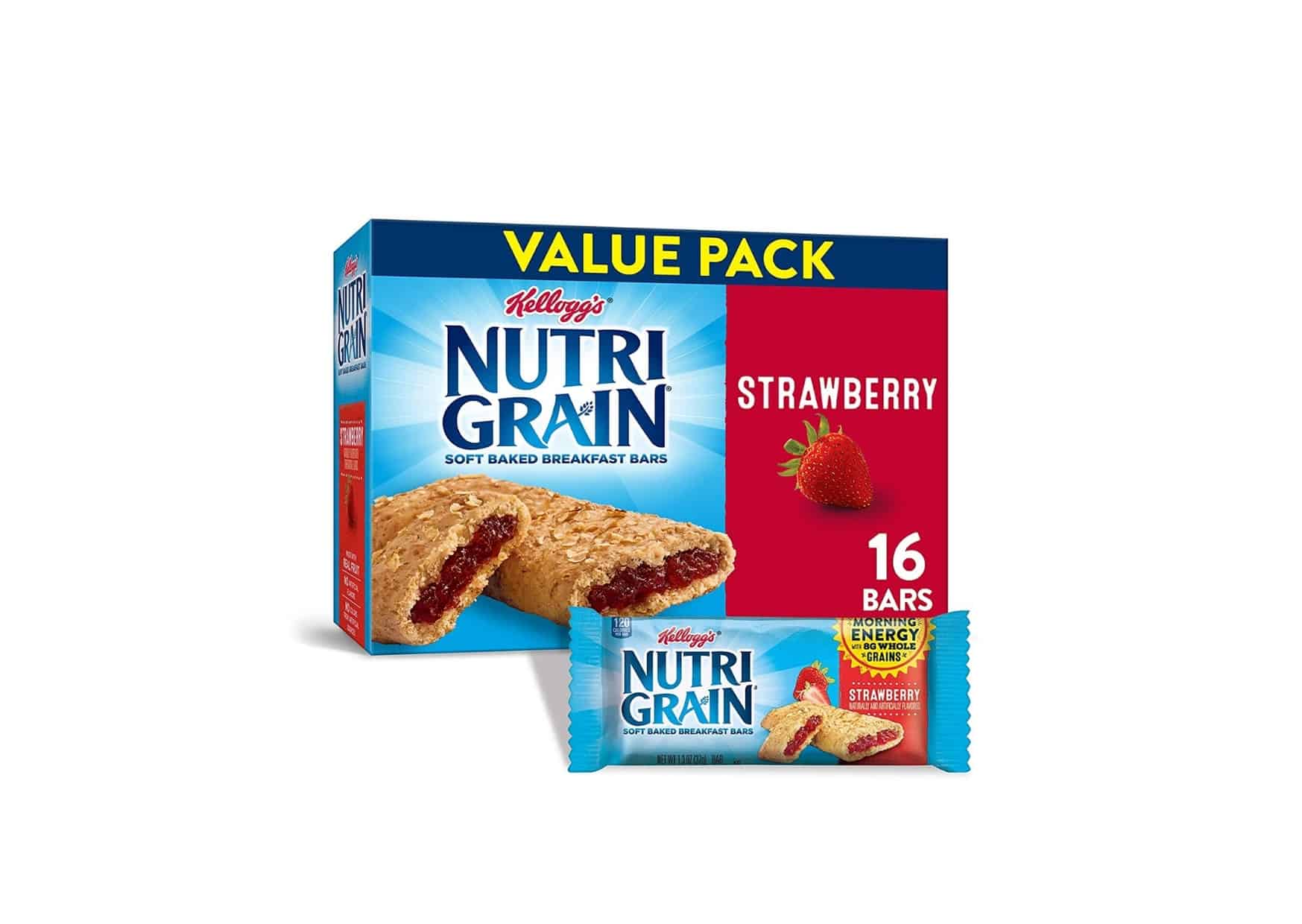 These bars have been around for decades. You probably have had these growing up as well. Well, these bars are still around and they are still quite healthy. The fruit in the bars is pureed, and the bar itself it’s wrapped around provides 8 essential vitamins. It’s perfect for morning fuel. Buy this vegan snack!
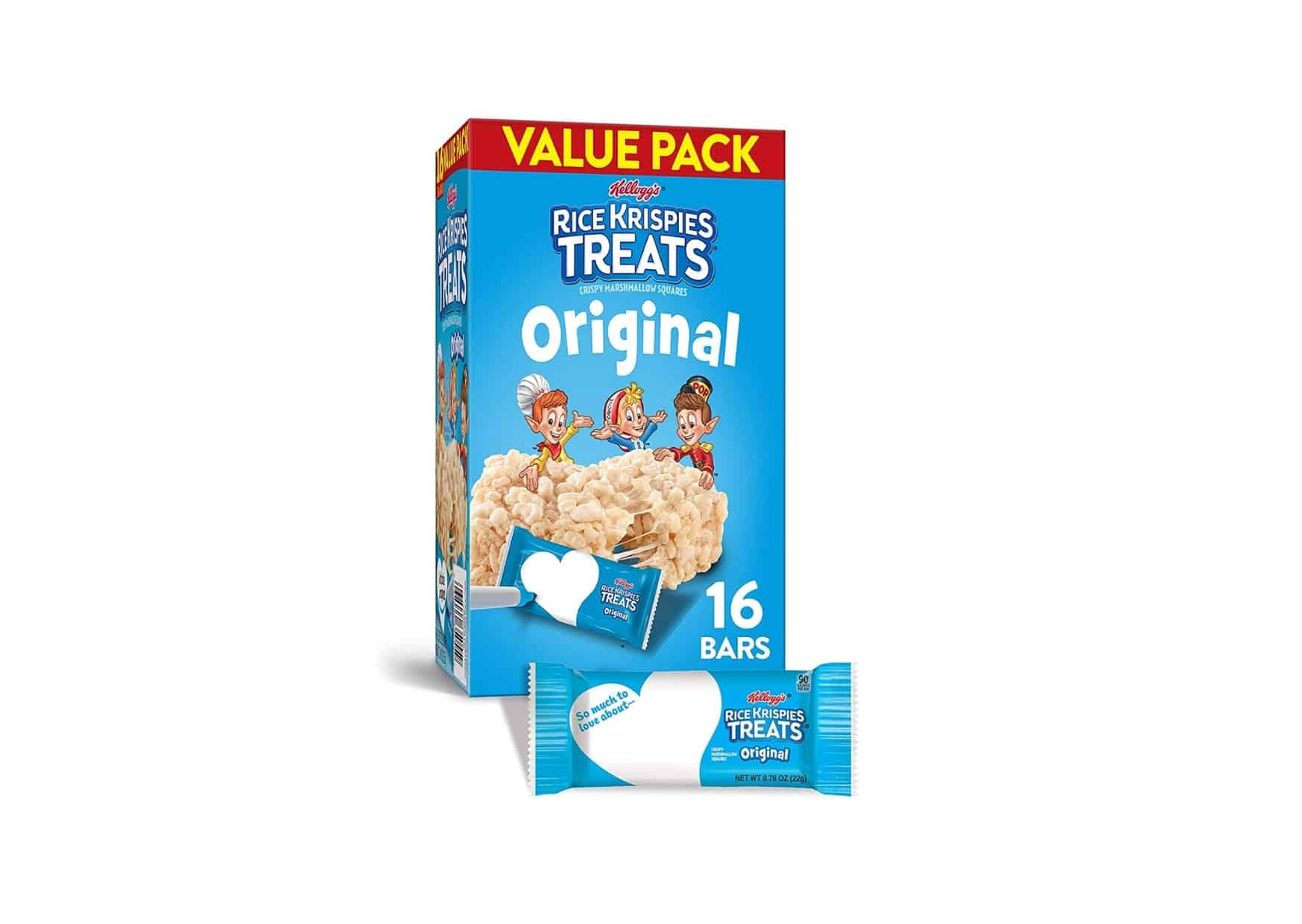 Another staple to kid’s lunch boxes is the Rice Krispies squares. Similar to the Nutri-grain bars, these are higher in sugar than others. However, these are still vegan friendly considering the few ingredients that are used to make these. As an adult, these are still quite sweet and a good alternative for those who need a sugar fix and don’t want to feel guilty about it later. Buy this vegan snack!
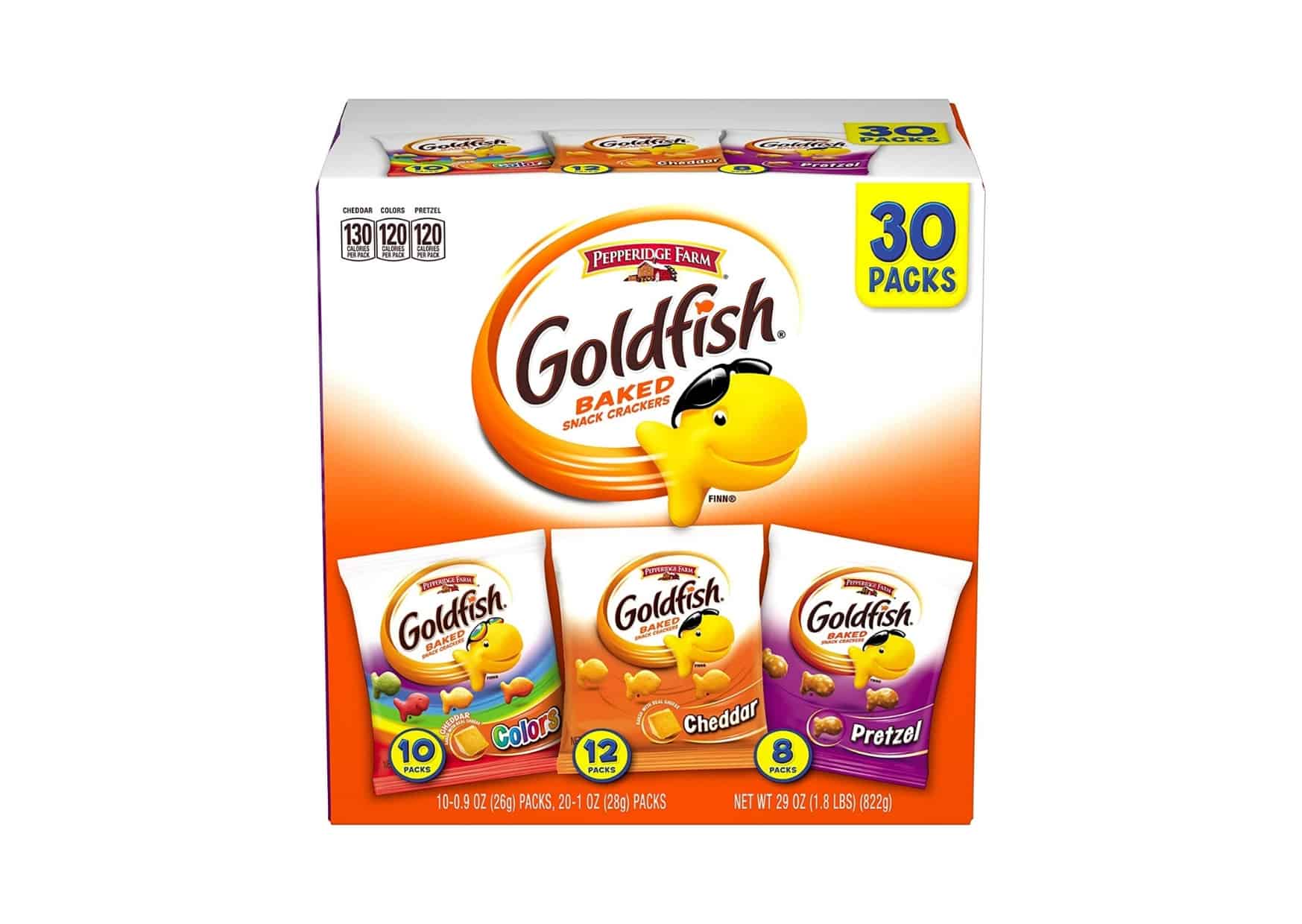 The classic fish that smiles back is another childhood familiar for those who had kids or grew up in the early 1990s. These of course don’t have any sugar, but they do contain salt. Though considering the size of each goldfish, it’s not something to be overly concerned about if you’re having them as a snack. The pack I suggest is the 30 pack which comes with a mixture of three flavors - including the classic cheddar flavor. Buy this vegan snack!
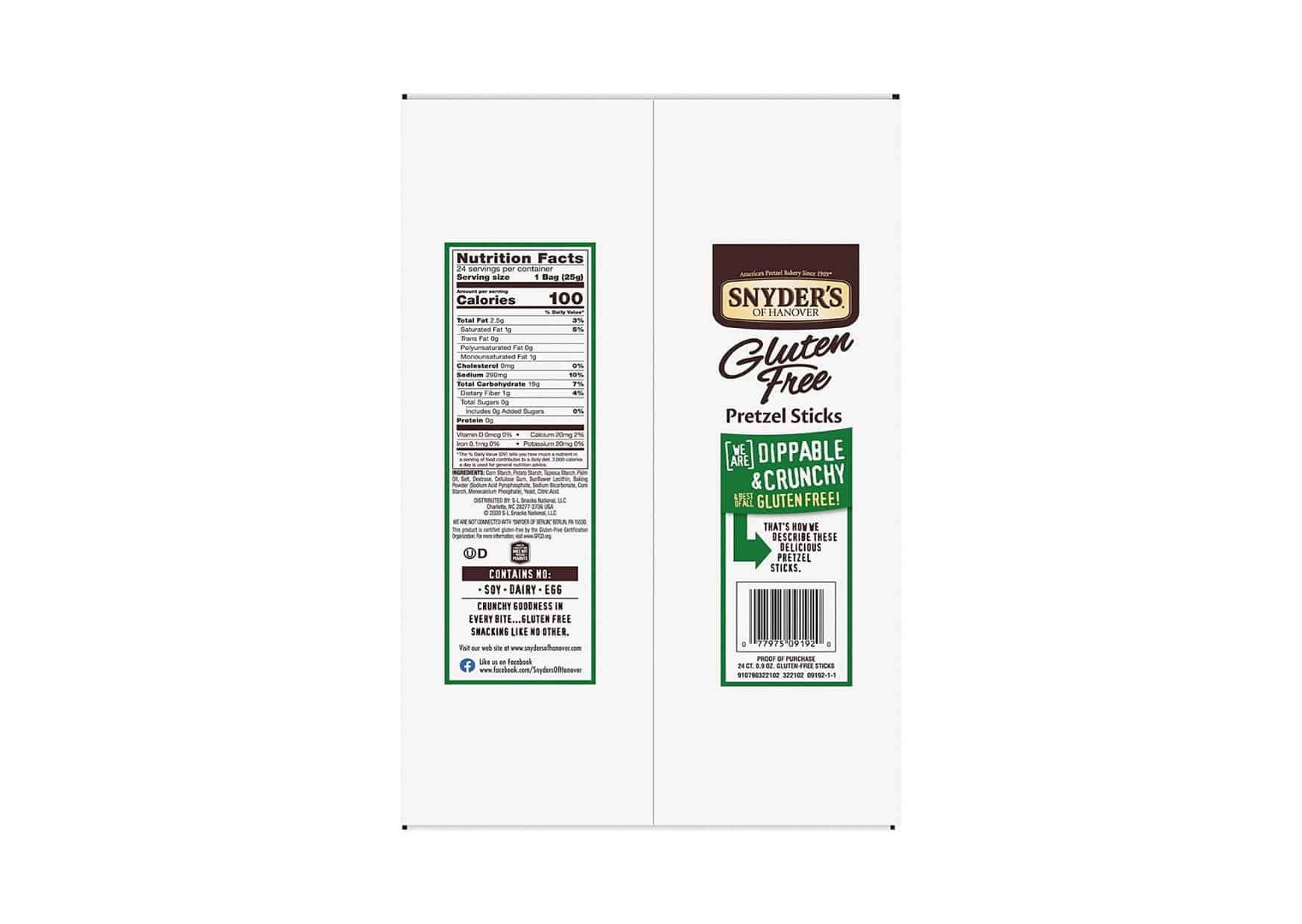 If you love goldfish but are looking for something with less gluten in it, one option is Snyder’s pretzel sticks. They don’t have any cheese flavored ones, but you can still get your salt needs while having something slightly healthier to munch on. Each bag contains 100 calories, so be mindful of how many bags you take. Buy this vegan snack!
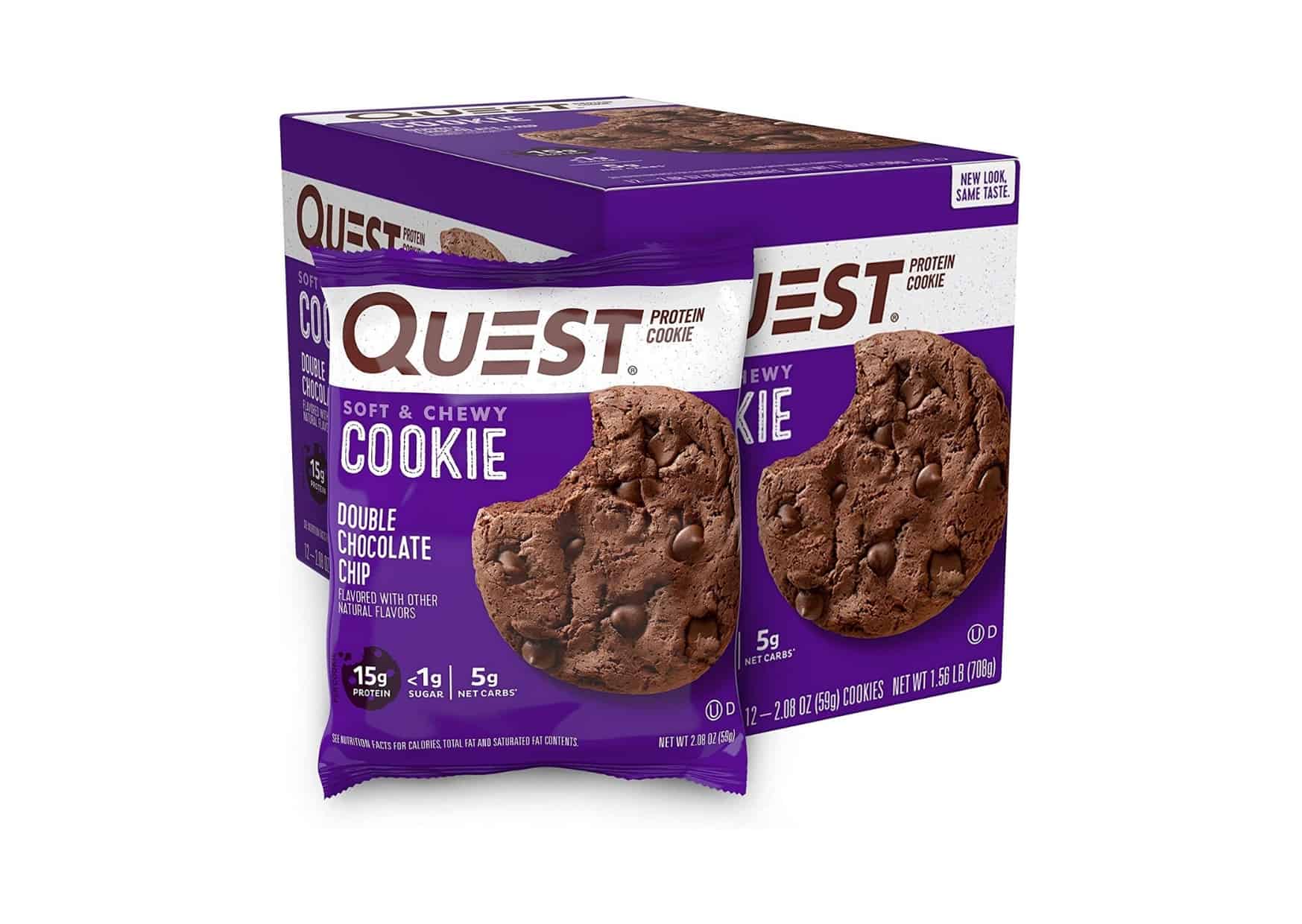 Vegan cookies are hard to come by with many companies opting for bars. That said, Quest Cookies is one that makes cookies that you’ll be sure to fall in love with. What’s also surprising is that despite this being a cookie, there’s less than a gram of sugar per cookie and about 15 grams of protein! Buy this vegan snack!
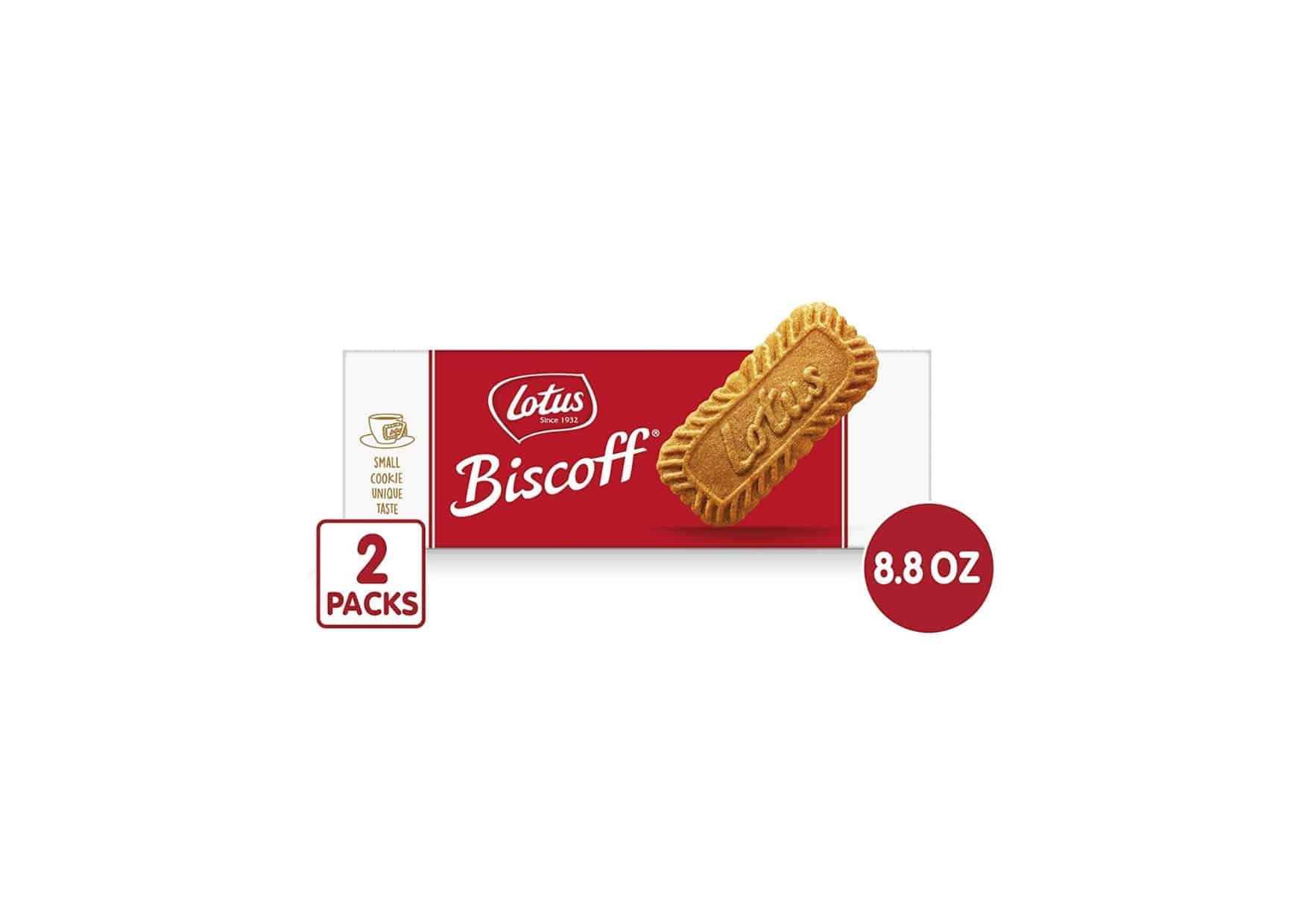 Another one of the best vegan snacks you can look to is Lotus’s brand of biscuits. These are certified vegan and GMO-free. The flavor is different from other biscuits because it follows European cookie making. Regardless, these are light and easy to snack on for yourself or guests. Buy this vegan snack!
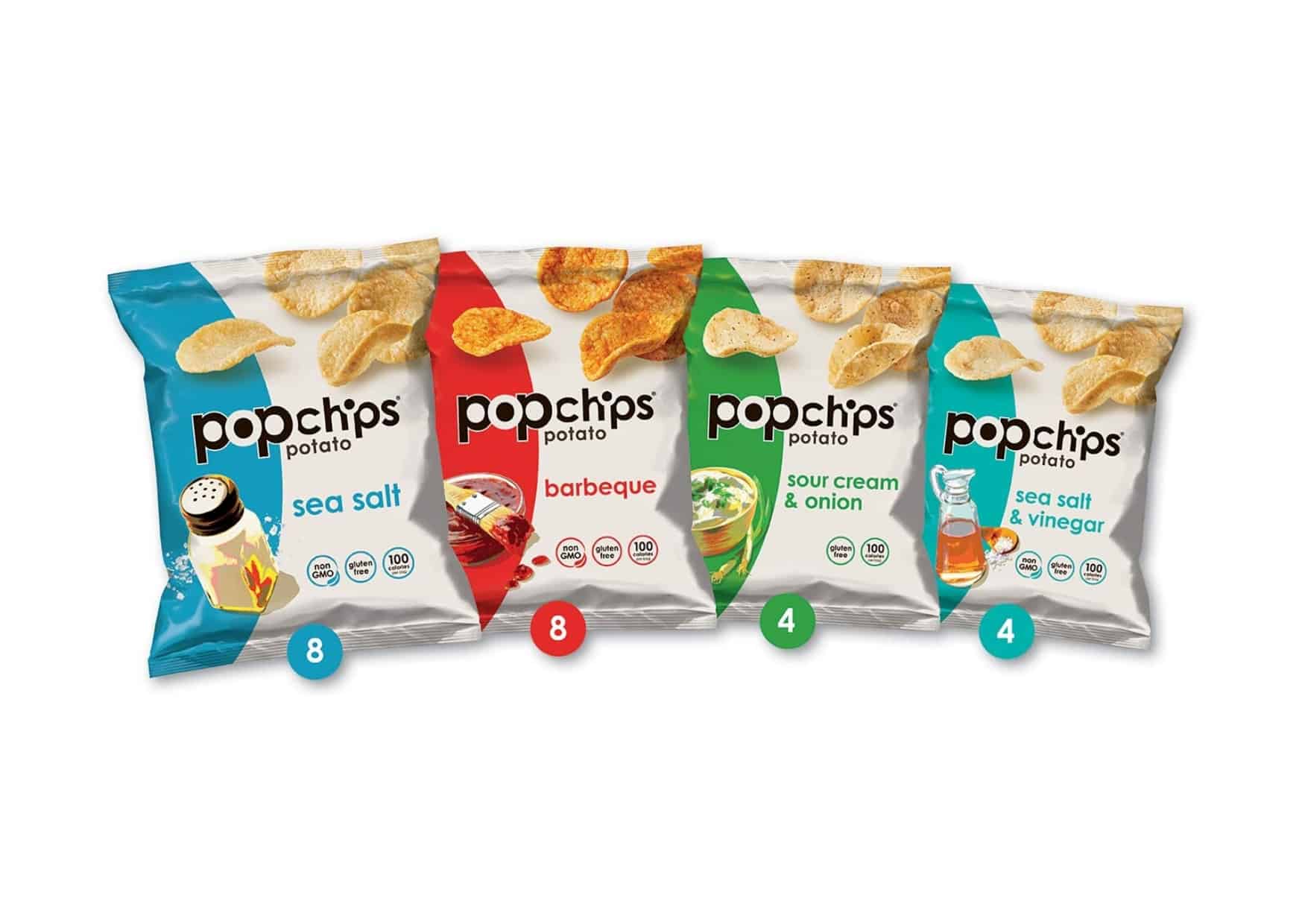 Normally, chips wouldn’t make it to these lists, but similar to plant-based products on the rise, chip companies have also put in the effort to provide other chip alternatives. They are no longer covered in an insane amount of salt and artificial flavoring. While the chips will certainly have salt, Popchips and other healthy brands will be cutting back considerably on the amount of salt. In this case, these chips have 150 to 160 mg of salt which is about 7% of your daily intake of salt. Furthermore, they also have fewer calories than traditional chips. Buy this vegan snack!
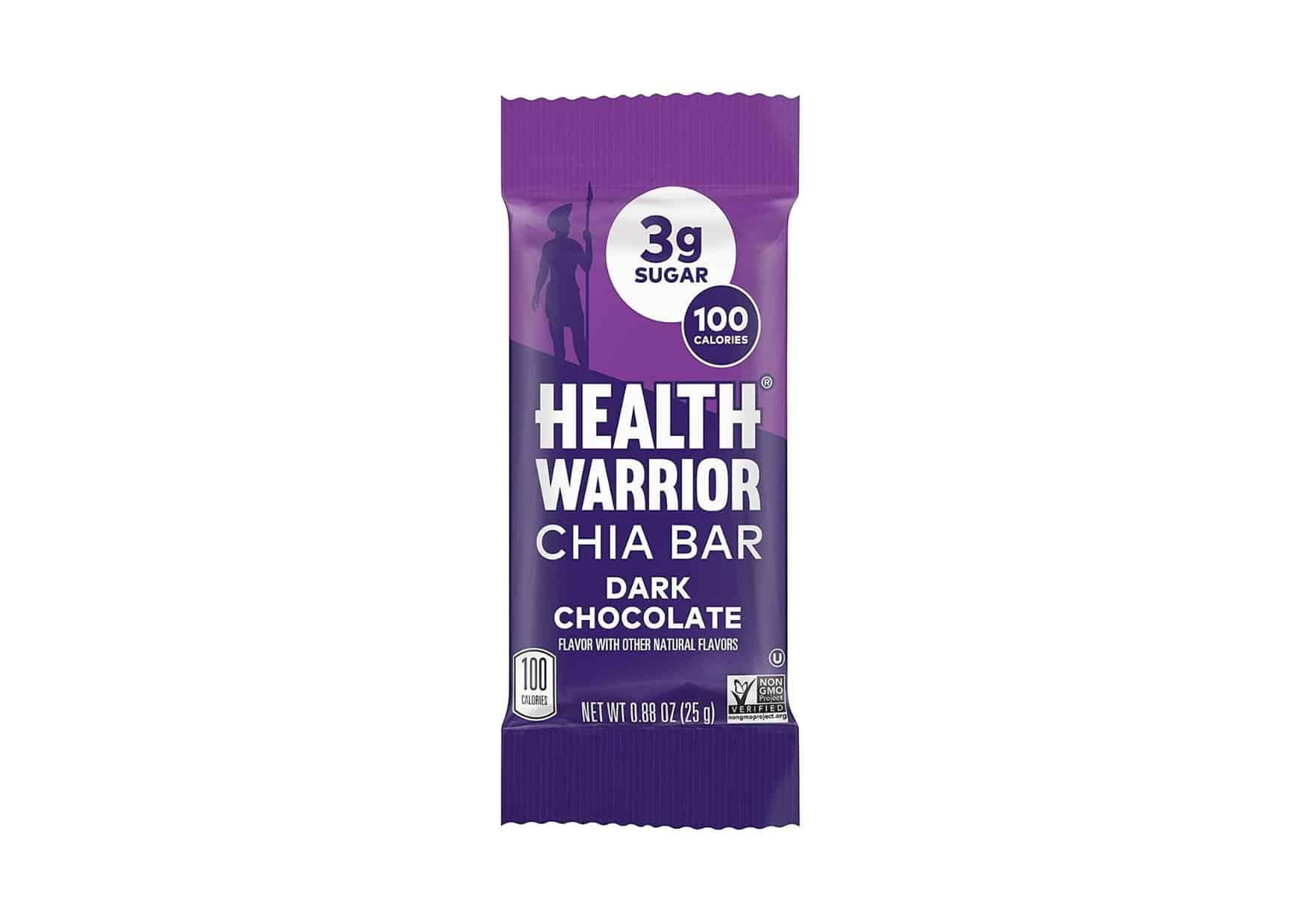 Another good contender in our healthy vegan snacks is the Health Warrior brand of bars. The big thing you need to know about them is their prime ingredient is chia seeds. Despite their size, seeds are surprisingly filling and offer a wide variety of nutrients. The only thing you may need to be wary about is that each bar contains about 3 grams of sugar. Aside from that, these can easily be considered as healthy granola bars considering they are plant-based, kosher, vegan-friendly, and verified non-GMO. Buy this vegan snack!
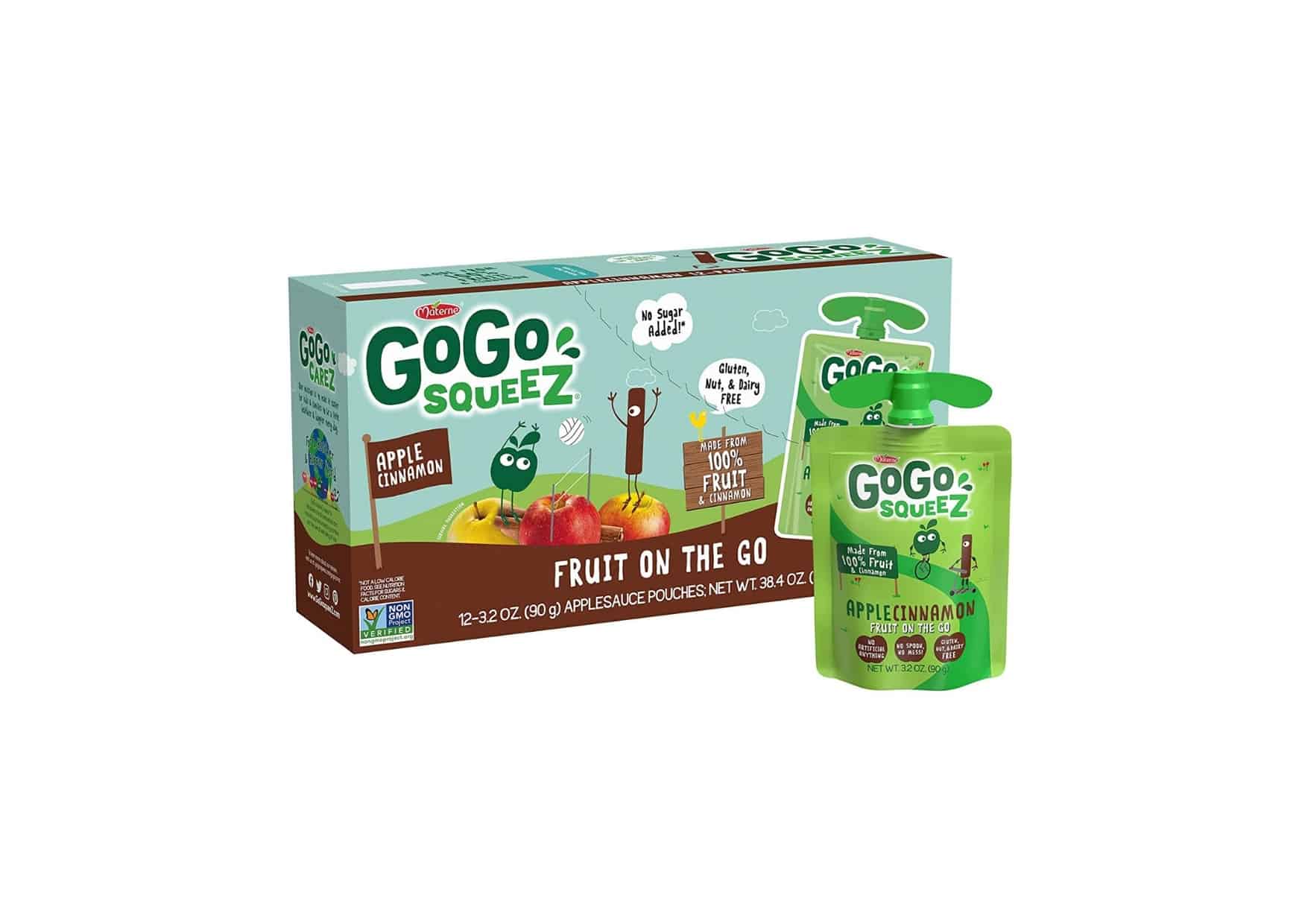 One other good snack is apple sauce. It may have been a while since you’ve had some, but it’s still quite tasty. But since then, a lot of companies have emerged to provide their own brand of applesauce. For this section, I want to focus on GoGo’s. They have a unique package (requiring you to squeeze the container to get to the apple sauce) but also ensure the apple sauce is 100% fruit-based. Buy this vegan snack!
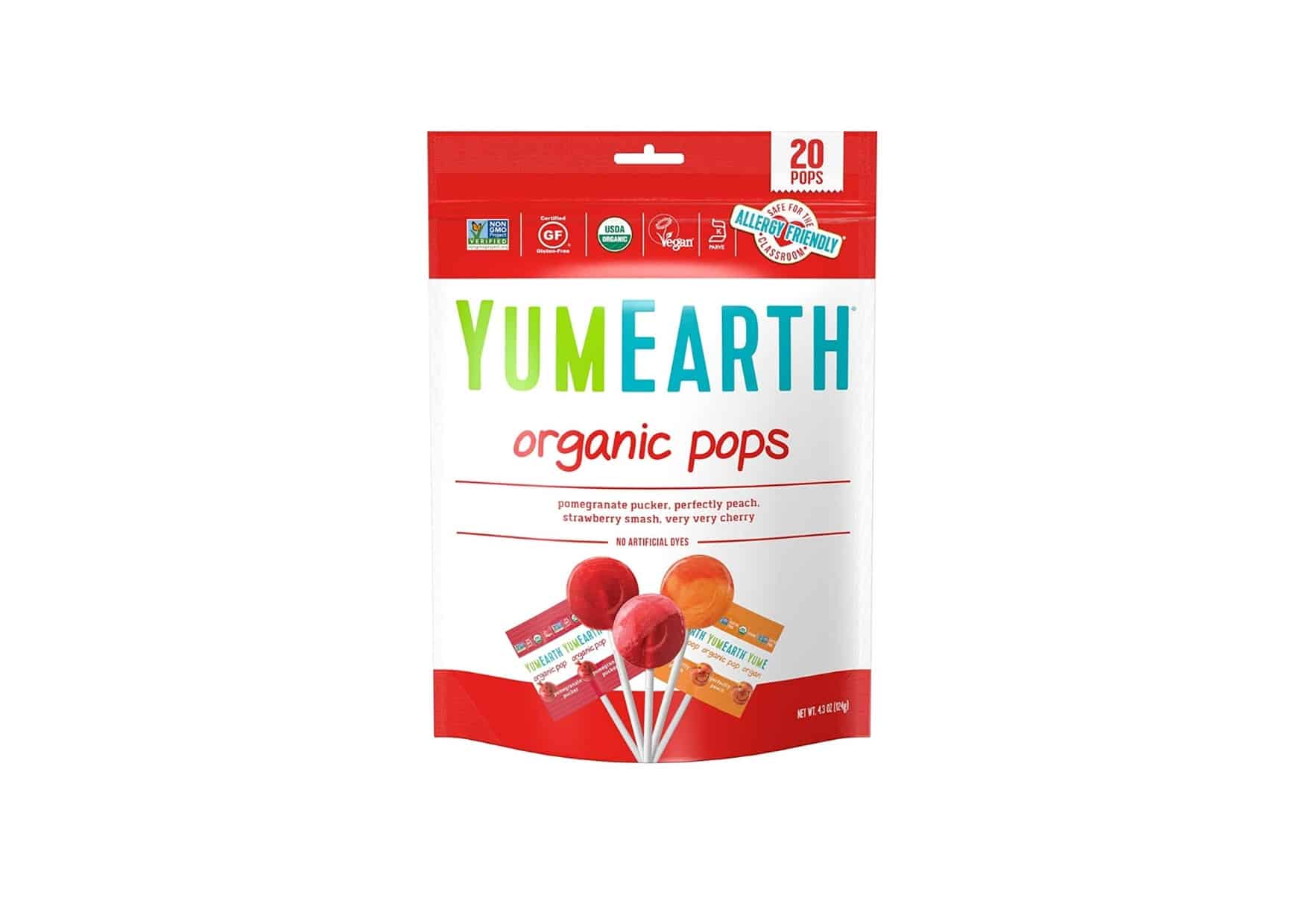 Lollipops can be a dentist’s nightmare, but you won’t run into that situation with Yumearth’s brand. They provide lollipops that are organic. They avoid artificial flavors, dyes, and take pride in having no fructose syrup in them either. They offer a wide range of flavors as well and, above all, are free from the top 8 allergens you can find in most traditional healthy snacks. Buy this vegan snack!
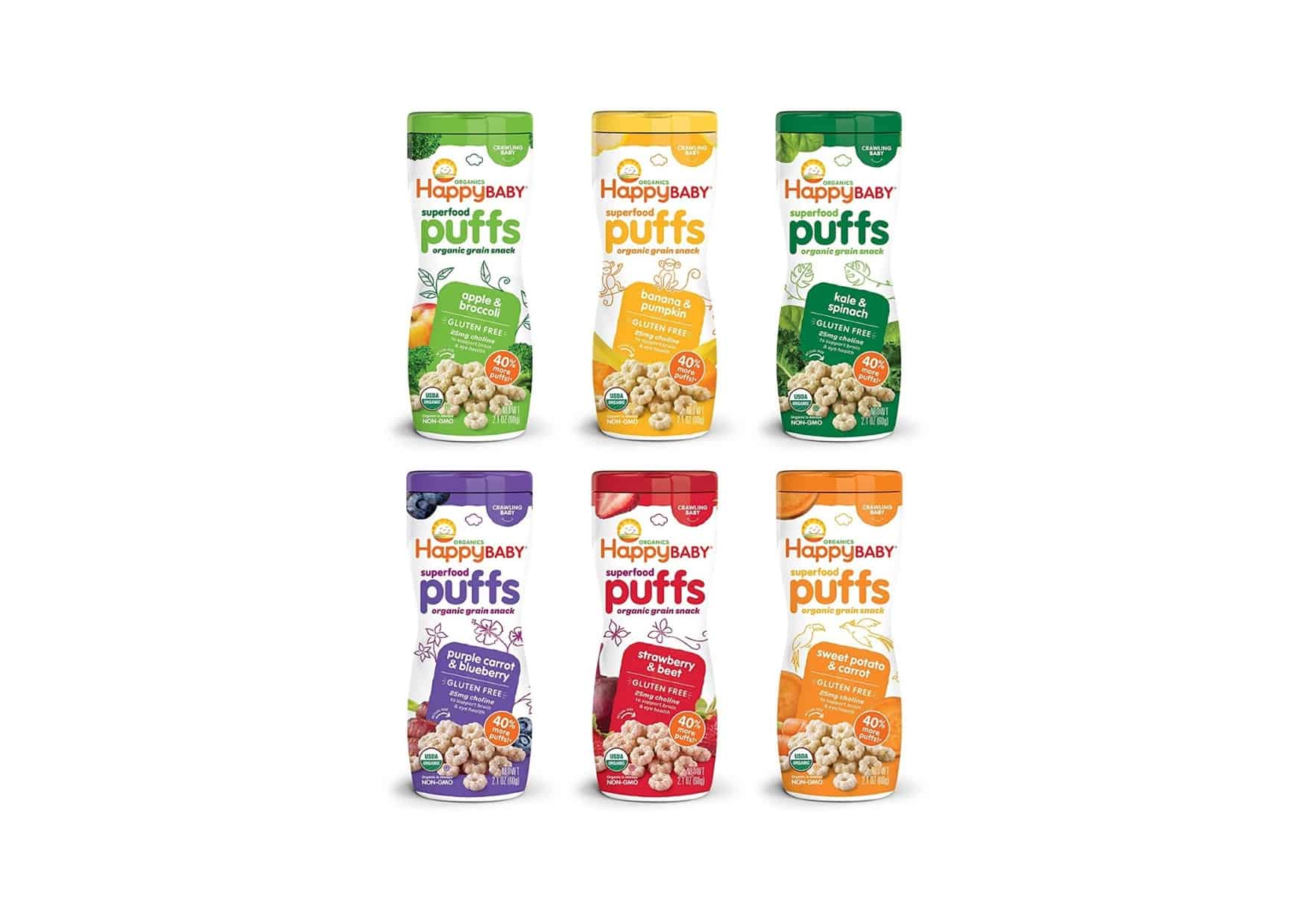 Despite the name, this is not baby food of any sort. That said, these are foods that even babies can enjoy if you’re the type of parent who gives sugar-free vegan snacks. What’s nice about these particular products is these are packed with various superfoods, typically a combination of fruit and a vegetable. Despite the unusual combination, these are very healthy, considering the fruits and veggies being superfoods and quite tasty. Buy this vegan snack!
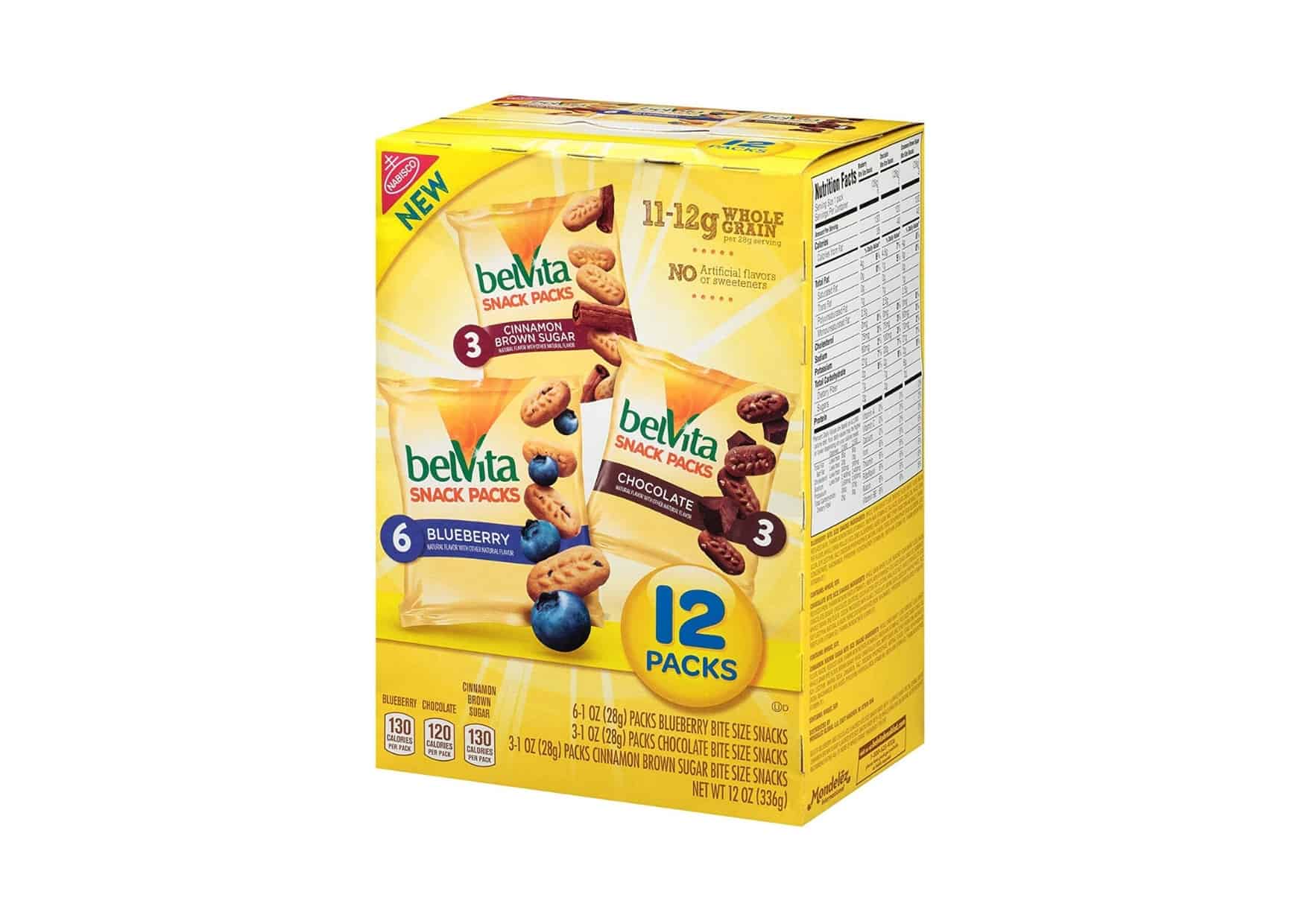 Another option for breakfast biscuits is Belvita’s brand. These have no high-fructose corn syrup and no artificial flavors or sweeteners, making them ideal for vegans and also great in general for breakfast. Buy this vegan snack!
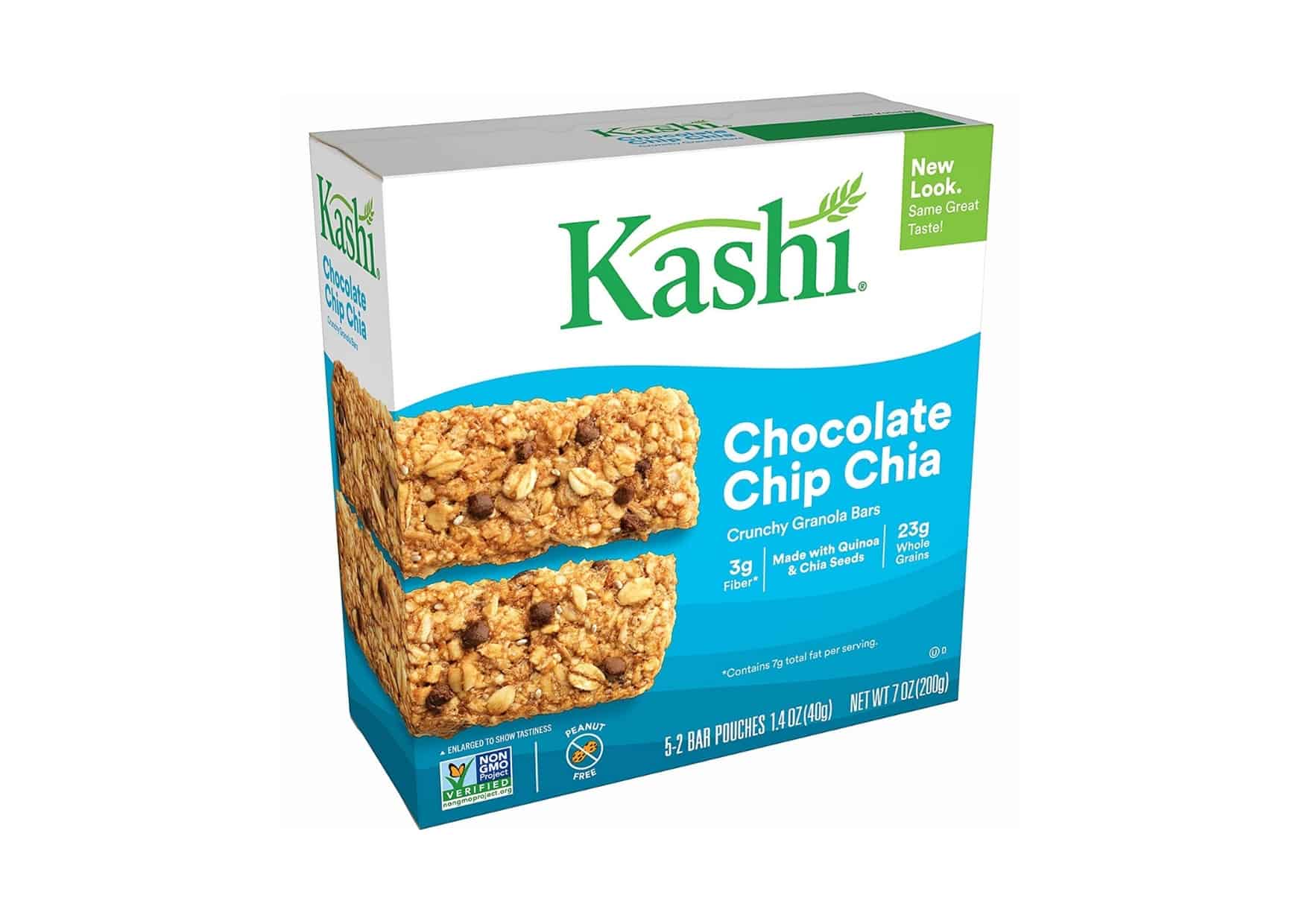 Have you been searching for the ideal healthy granola bar? Well, look no further than Kashi’s brand of granola bars. \Kashi offers a wide variety of flavors for you to munch on and are overall a feel-good snack. it offers 23 grams of whole grain, 4.5 total fat, and 3 grams of fiber per 40-gram serving. Furthermore, these are quite filling since they also throw chia seeds into the mix. Buy this vegan snack!
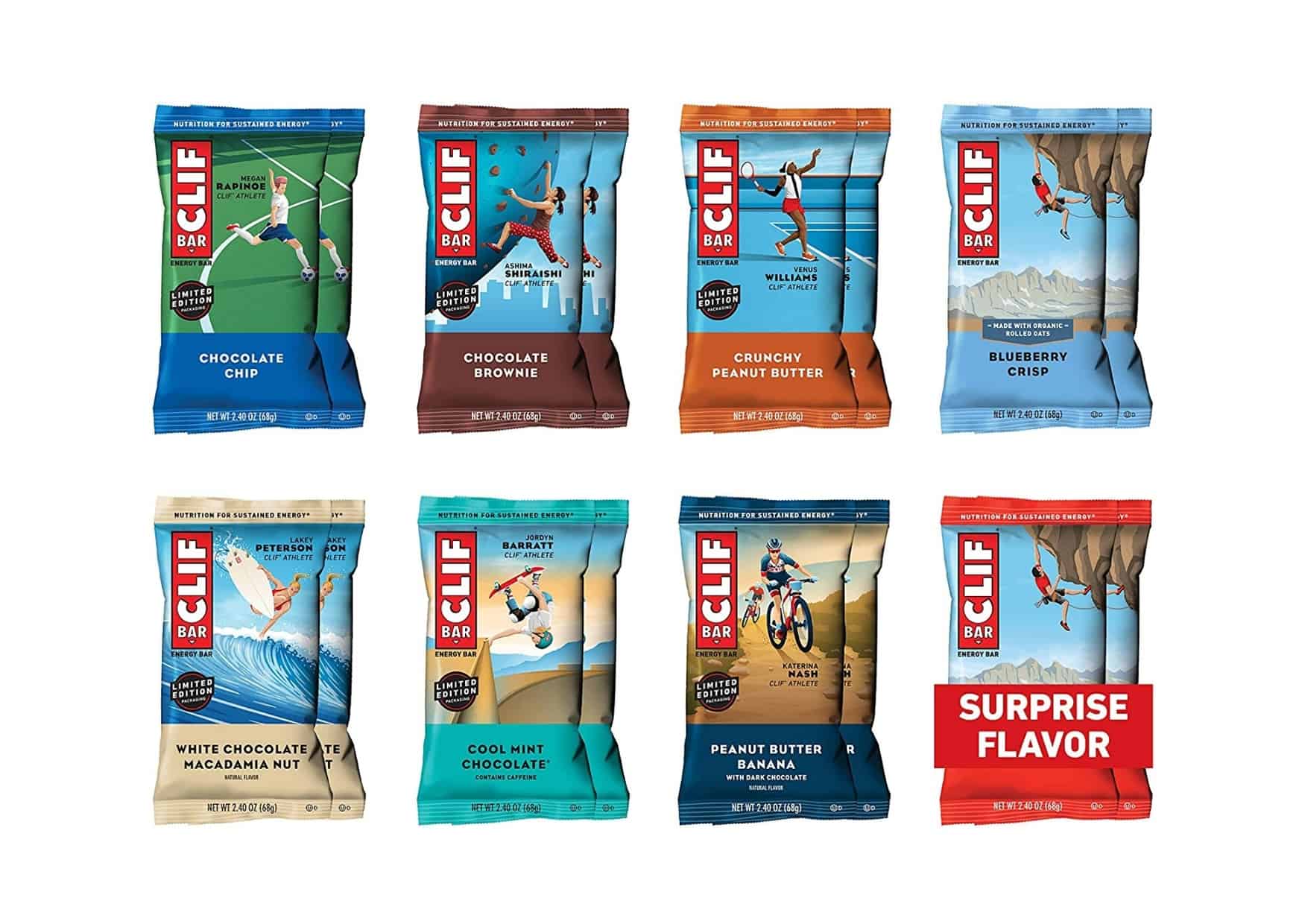 The final item on our best vegan snacks list is the Clif energy bar. This brand is everywhere in stores with the iconic man climbing up the side of the cliff. Clif is designed to give you a lot of protein and fuel. The brand offers a wide variety of flavors and each bar provides roughly 9 grams of protein. The only thing is, convenience does have a price and the only serious drawback from these bars is the 21 grams of sugar in each bar. Consider these as a treat at the end of the month if you really need sugar. Buy this vegan snack!