Entrepreneurship isn’t for the faint of heart and brings its own unique set of challenges and obstacles. Thankfully, there’s a wealth of information out there from entrepreneurs of all different backgrounds that can be applied to make solid and fruitful investments. Investment books can help you get started. Whether it’s been a while since you picked up an investment book, or you’re a ravenous reader, here are the investment books that should be on your must-read list.
For When You're Just Getting Started
If you're getting started as an entrepreneur, or even just thinking about it, these books will help you get your foot in the door.
1. A Random Walk Down Wall Street
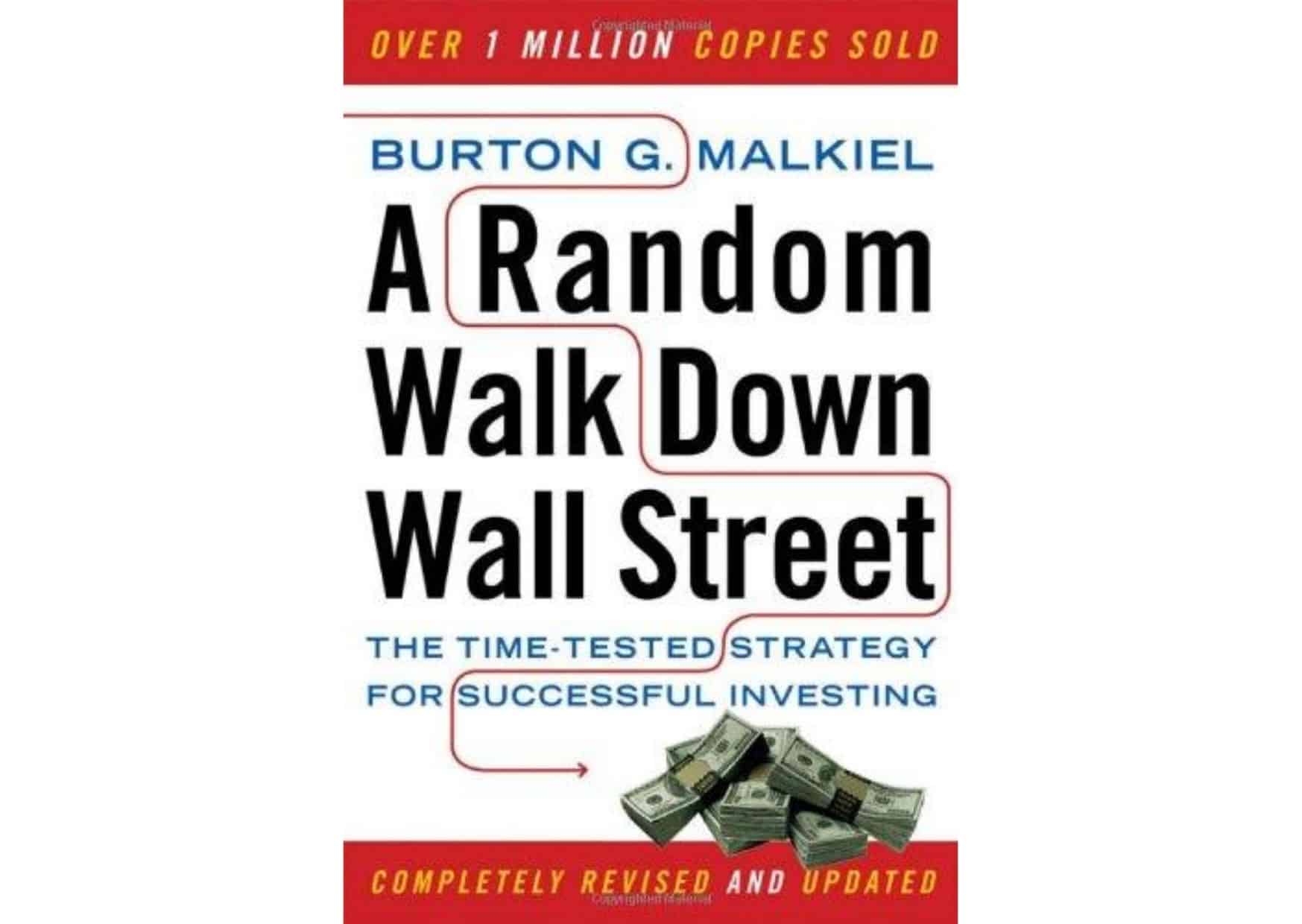
Burton G. Malkiel’s book truly is a must-read for aspiring entrepreneurs who are new to investing and want to learn the ropes. The book has sold over 1.5 million copies and covers everything from investment lingo to common pitfalls and proven strategies for maximizing one’s investments.
Get this book!
2. Beating the Street
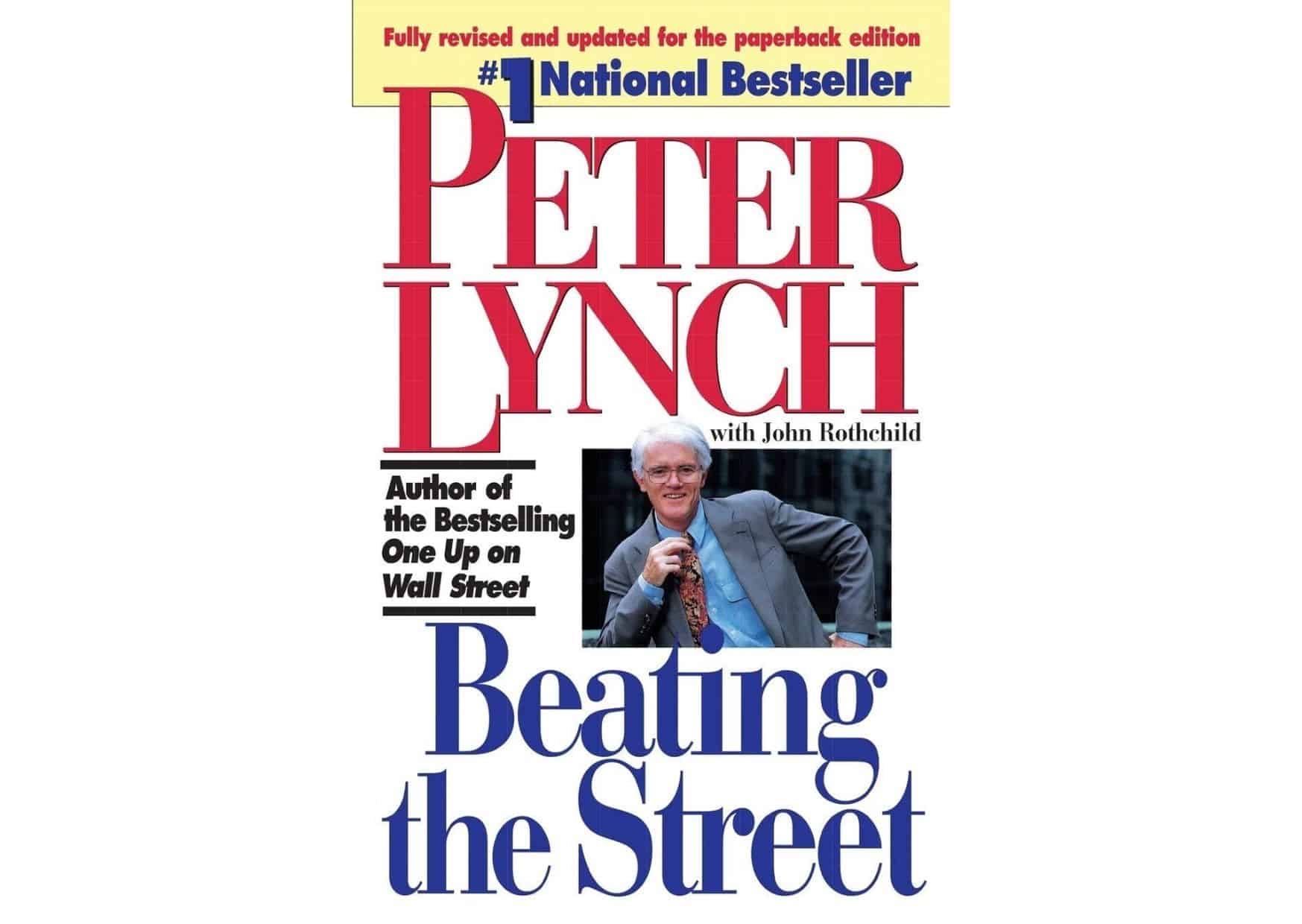
Learning from somebody who’s climbed their way to the top of the success ladder is one of the best ways to gain knowledge, and Peter Lynch is a shining example of that. Lynch lays out how he started as an intern at an investment firm and went on to manage $14 billion in assets at a hedge fund. Needless to say, he’s full of investment advice.
Get this book!
3. The Millionaire Fastlane
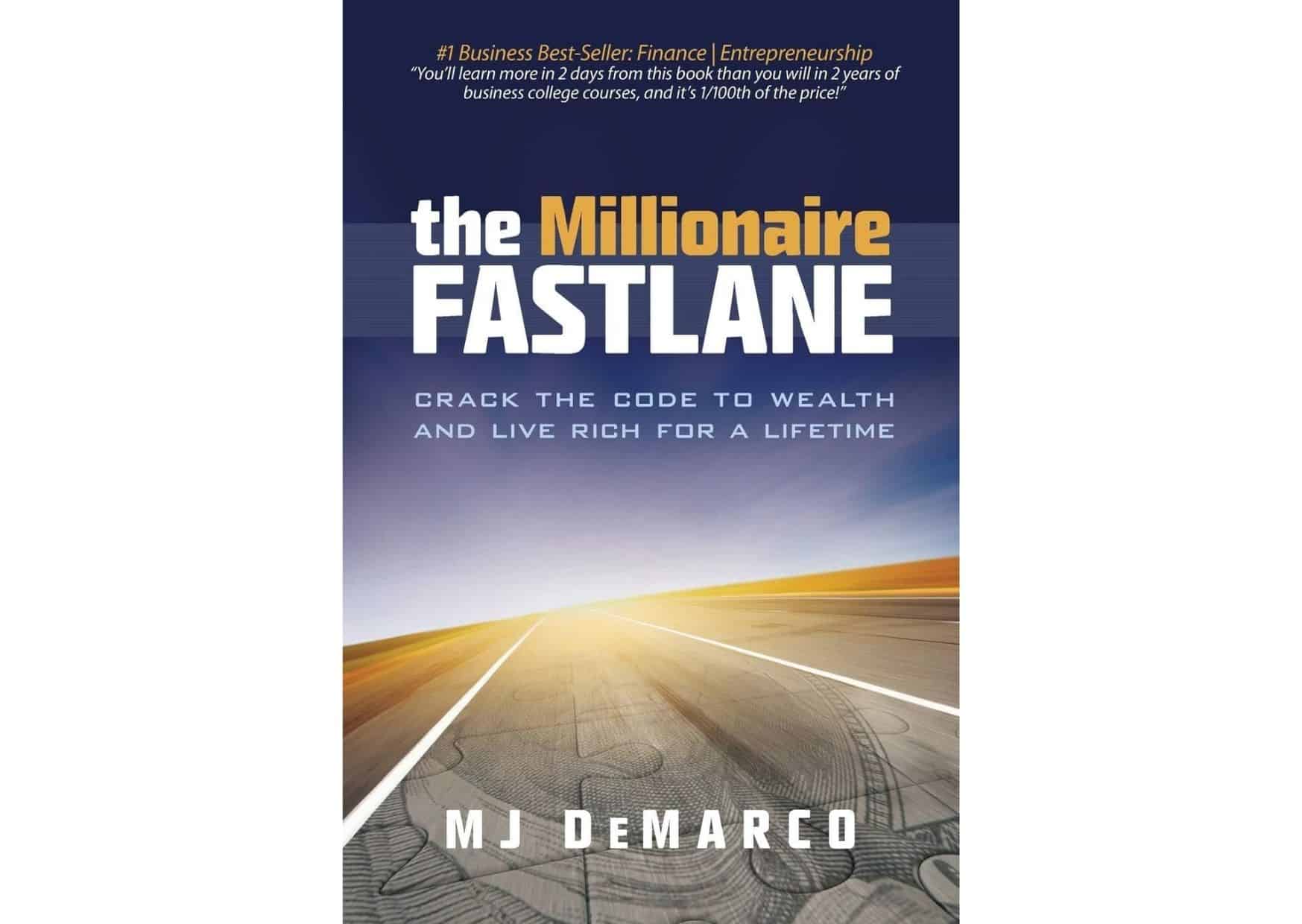
Author MJ DeMarco wants his readers to start thinking like a producer rather than a consumer, and that means building wealth. DeMarco draws upon his own life and guides readers on how they can leave behind the old model of “get a degree, get a job” and carve out their own financial destiny.
Get this book!
4. The Richest Man in Babylon
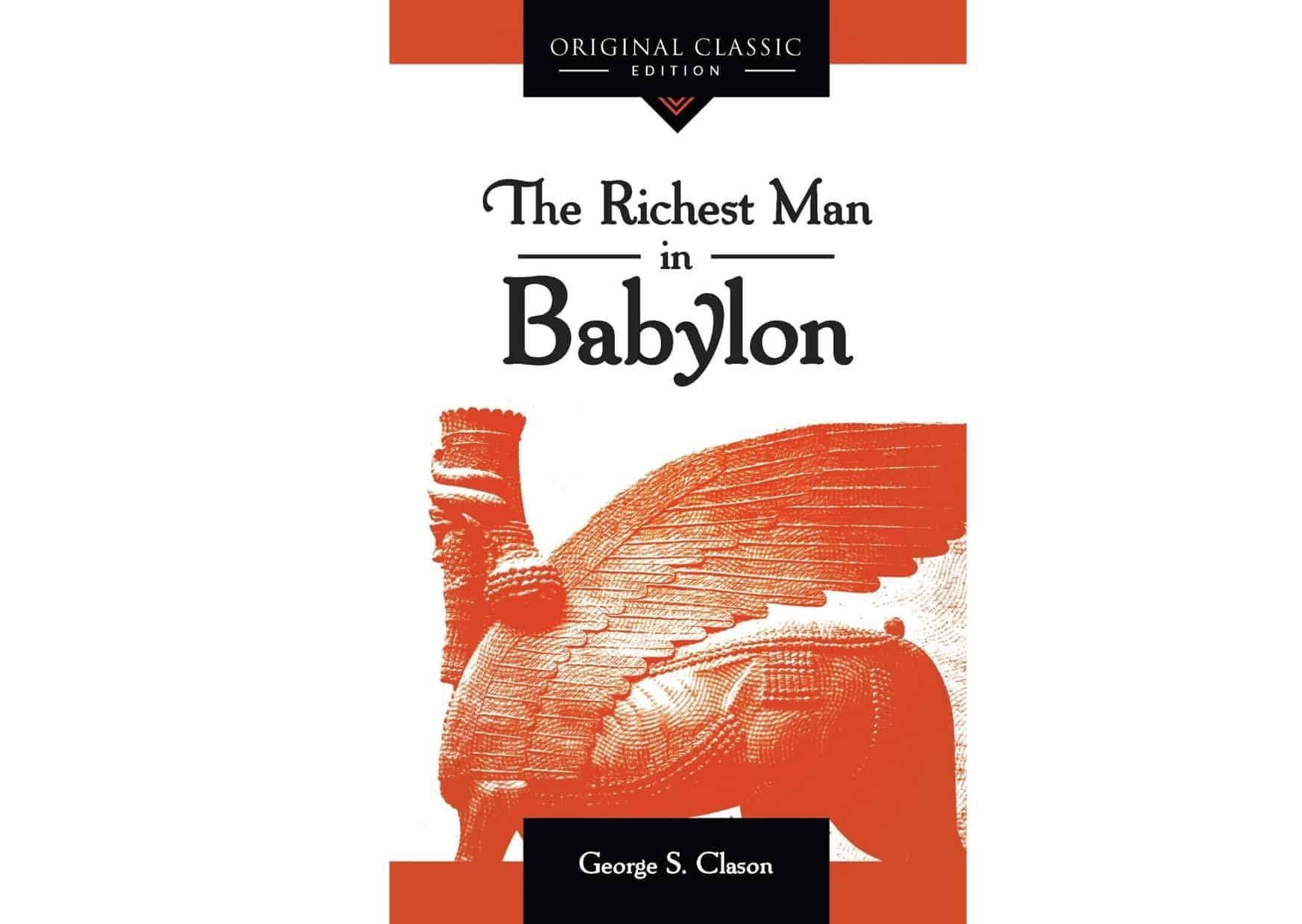
Before you write off a book from 1926 as “irrelevant,” hold-up a second. While this book by George S. Clason may not have any insider trading secrets, it’s full of practical parables, such as “pay yourself first,” that any investor would be wise to follow.
Get this book!
5. Economics in One Lesson
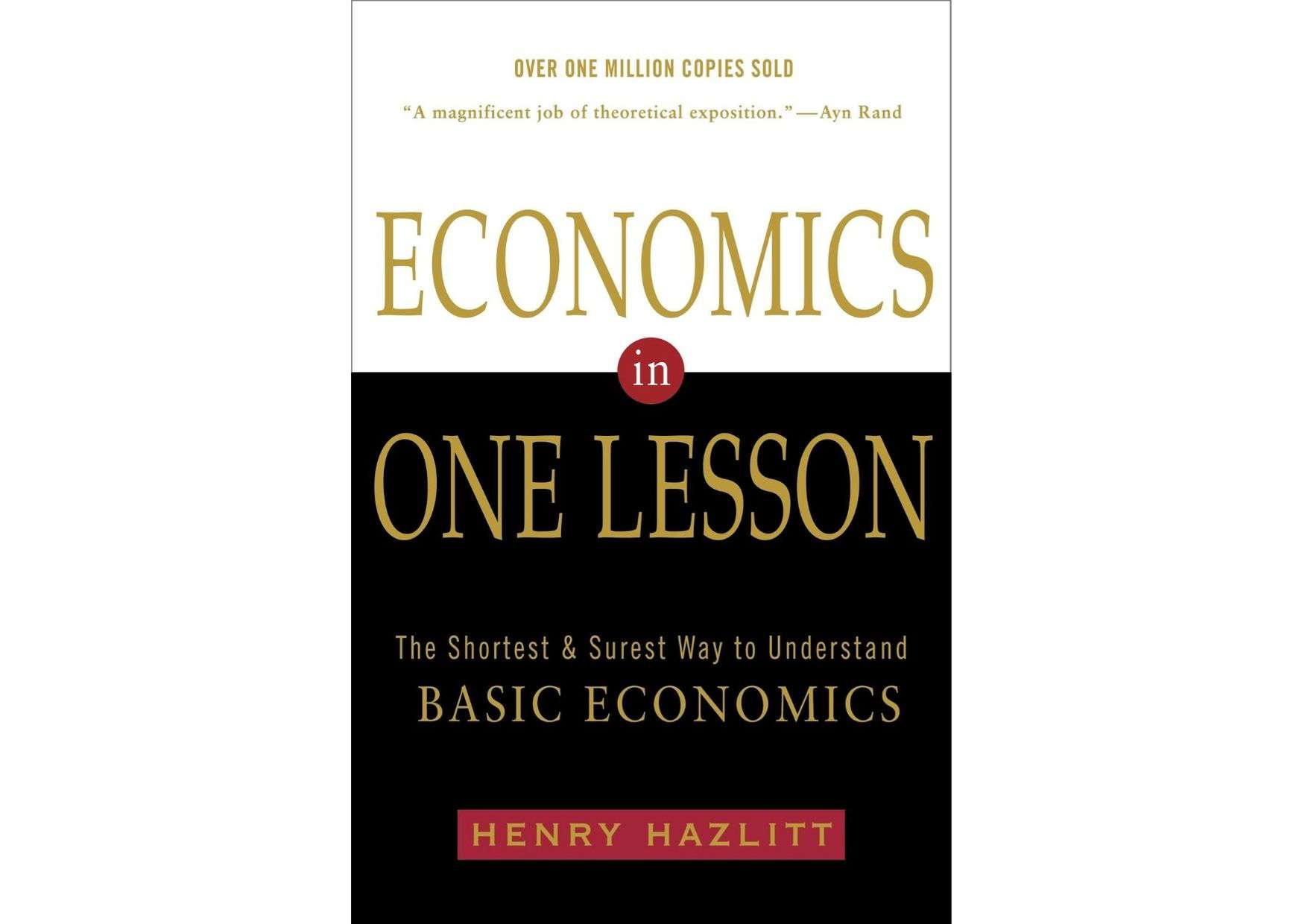
Having a good business sense is one thing, but knowing economics is a completely different wheelhouse. Henry Hazlitt gives investors a crash course in economics so that they have a better understanding of how such things as tariffs and minimum wage increases impact the business world and potential investments.
Get this book!
6. The Power of Broke
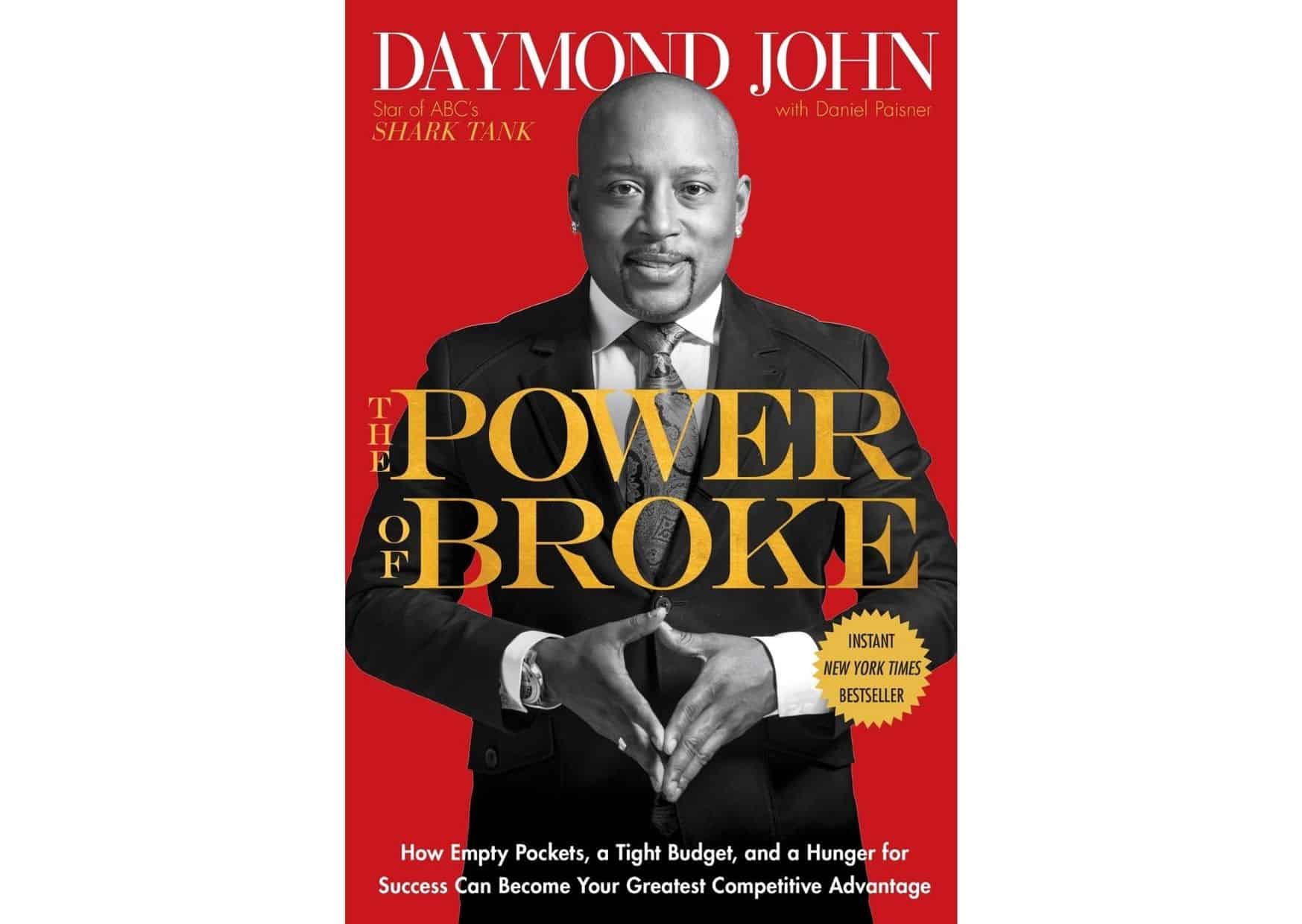
While other books might lay out advice for navigating the complex world of Wall Street, Daymond John takes a different approach. John’s part biography, part how-to book details why being broke can be one’s greatest asset when it comes to embarking on entrepreneurial success and how to go about harnessing its power.
Get this book!
7. Million Dollar Women
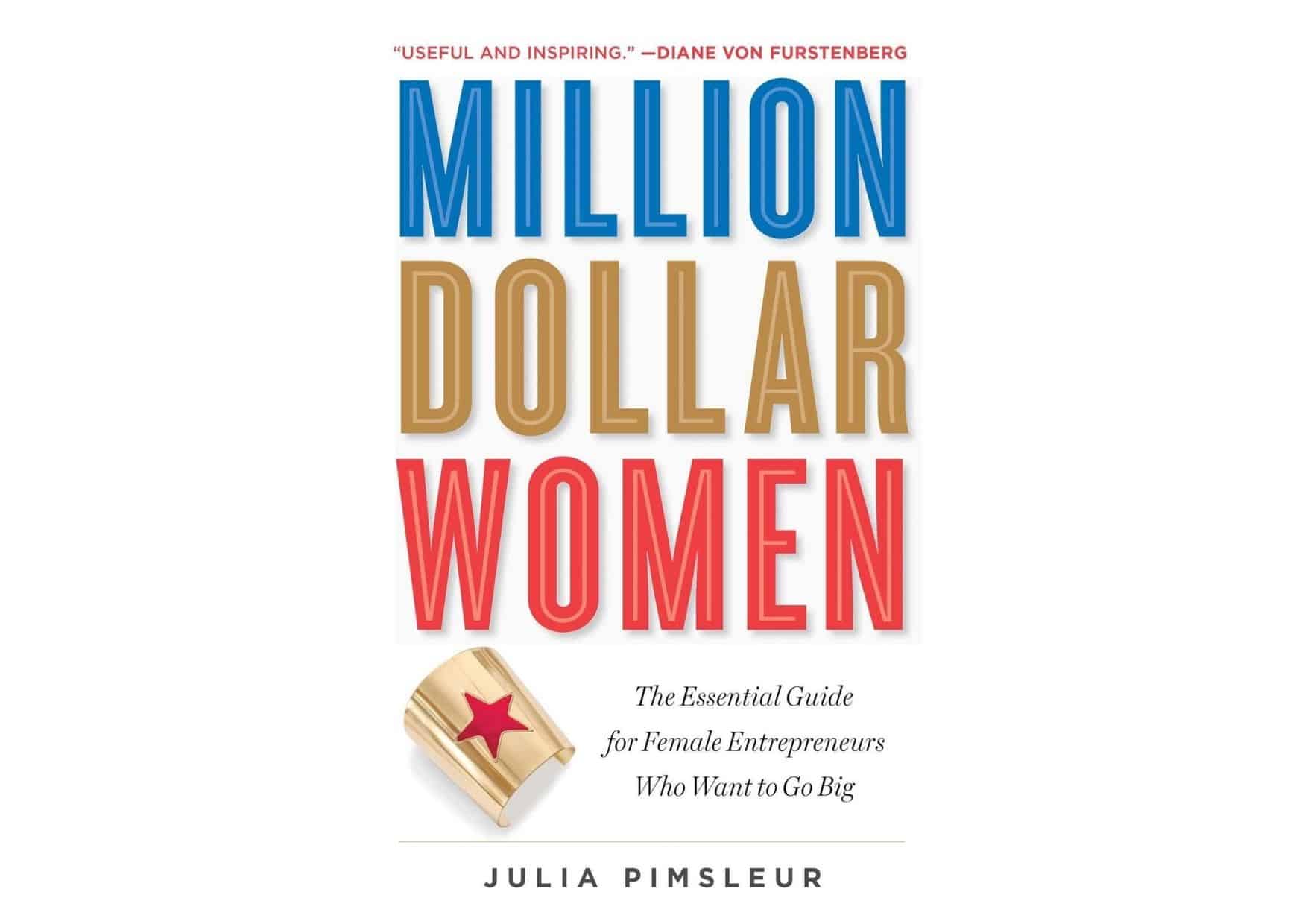
Julia Pimsleur has built a business out of helping women achieve million-dollar revenues through her podcasts, speaking engagements, and best-selling book. She packs the book with case studies and real-world examples that provide tips and guidance for how female entrepreneurs can maximize their careers and investments.
Get this book!
For When You Need Inspiration
Maybe you've started your entrepreneurial journey and are just feeling a little lost or unsure. These books can help!
8. The Essays of Warren Buffett: Lessons for Corporate America
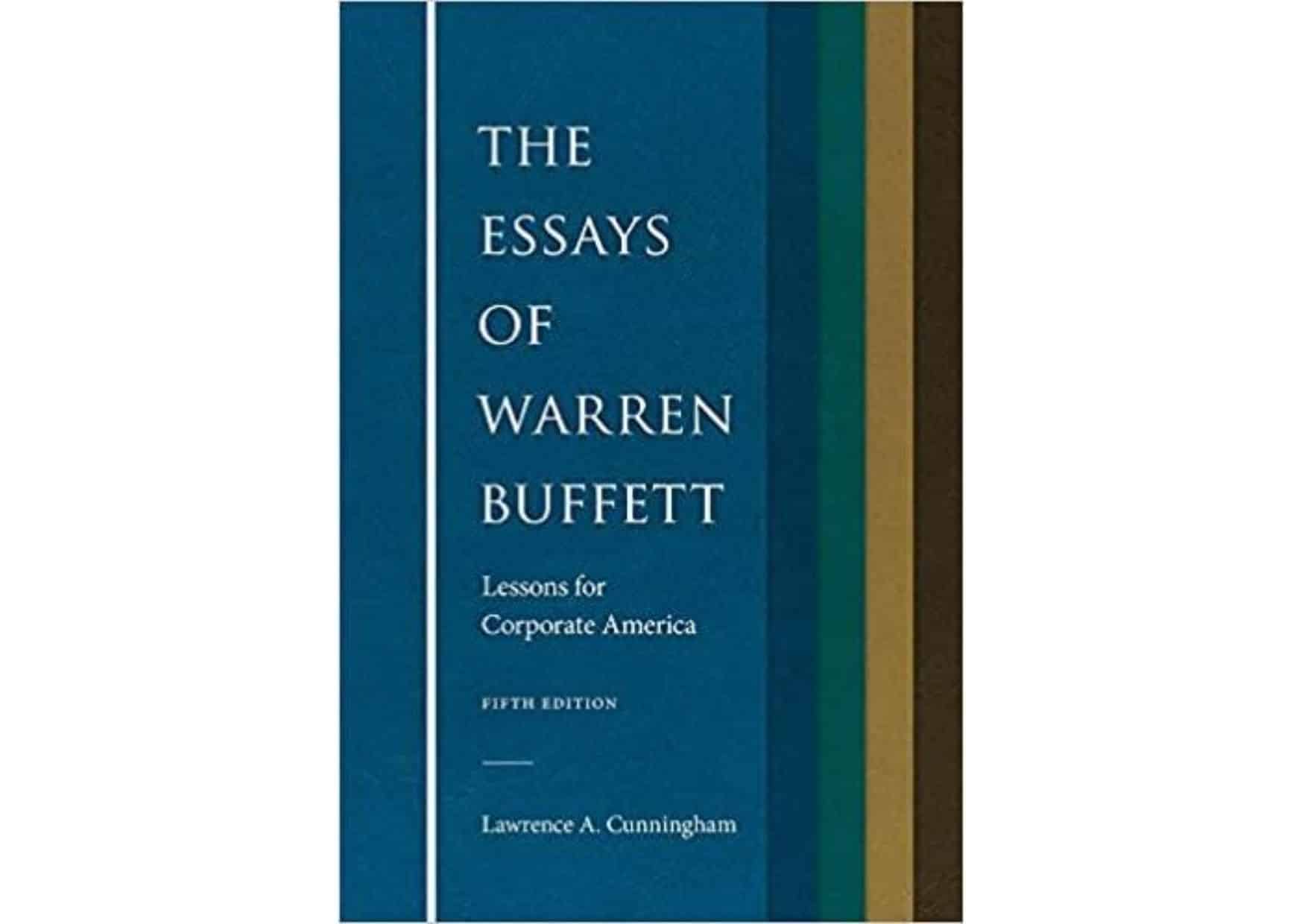
Warren Buffet is the Michael Jordan of investing, and his collection of essays, co-written by Lawrence A. Cunningham, is full of insight and wisdom that investors of all levels can learn from. The collection spans 50 years of Buffet’s wins and losses in investments and what he’s learned along the way.
Get this book!
9. Thrive
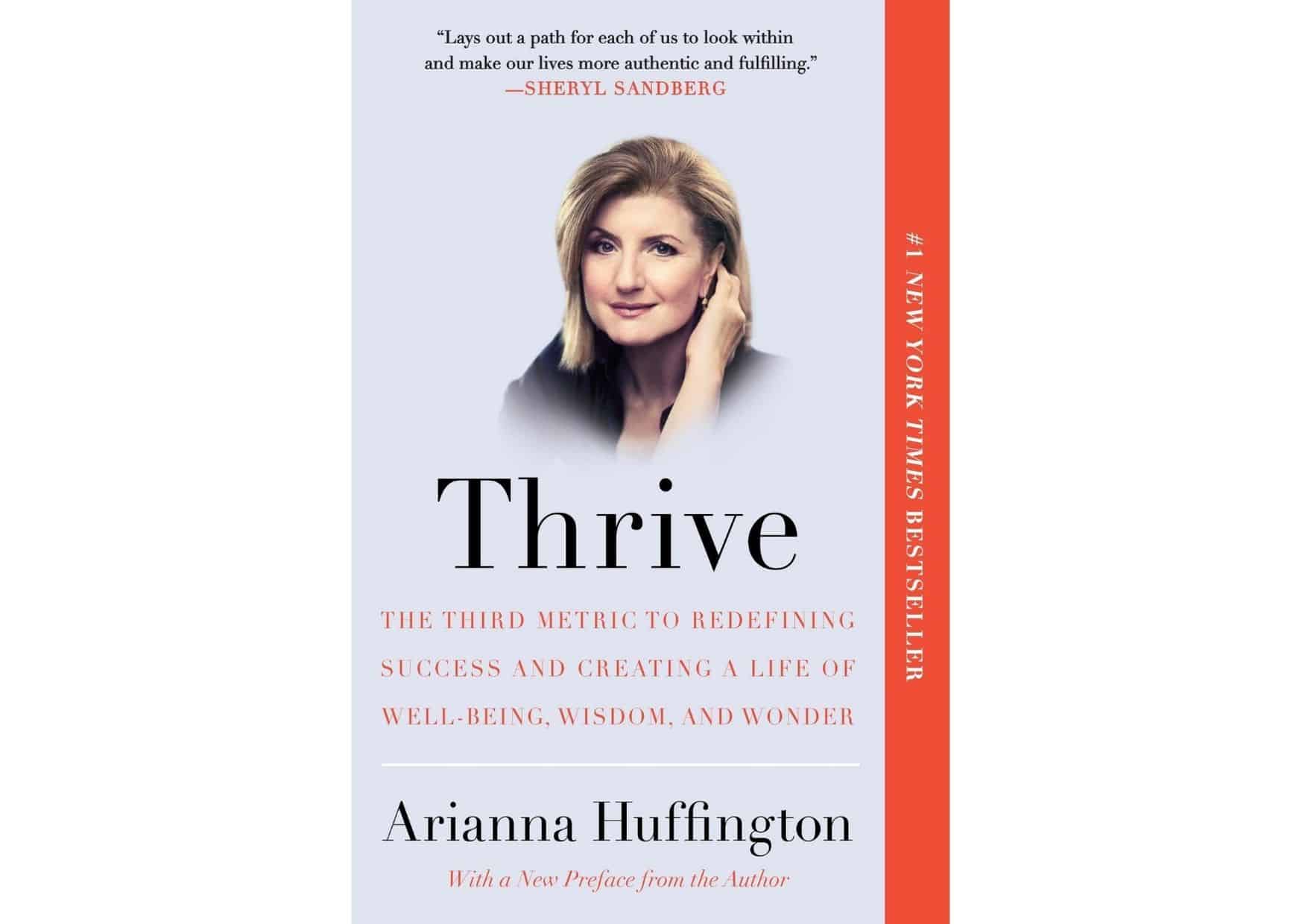
Thrive may not detail every single step Arianna Huffington has taken along the way with her business investments, but it does make our list for a very good reason. Huffington offers plenty of knowledge she’s gained over the years for keeping one’s self
mentally happy, so that you can make those
smart investment decisions.
Get this book!
10. Beating the Odds: Eddie Brown’s Investing and Life Strategies
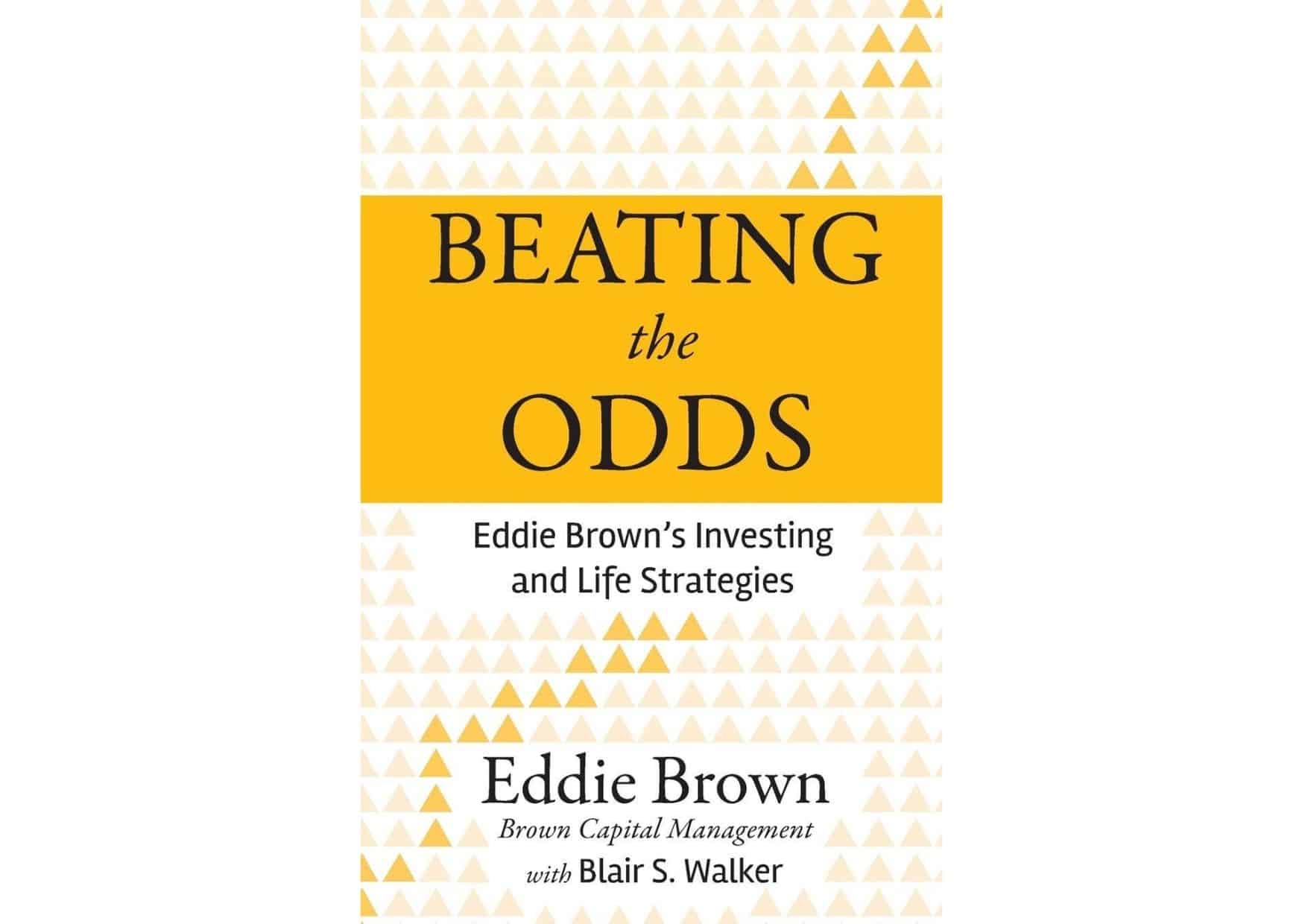
Eddie Brown, founder of Brown Capital Management, details how he got started in the industry and weathered the recession of 2008 to grow one of Maryland’s premier investment firms. If you’re an entrepreneur looking for inspiration on how to build success from the ground up, Brown offers a wealth of knowledge.
Get this book!
11. Principles: Life and Work
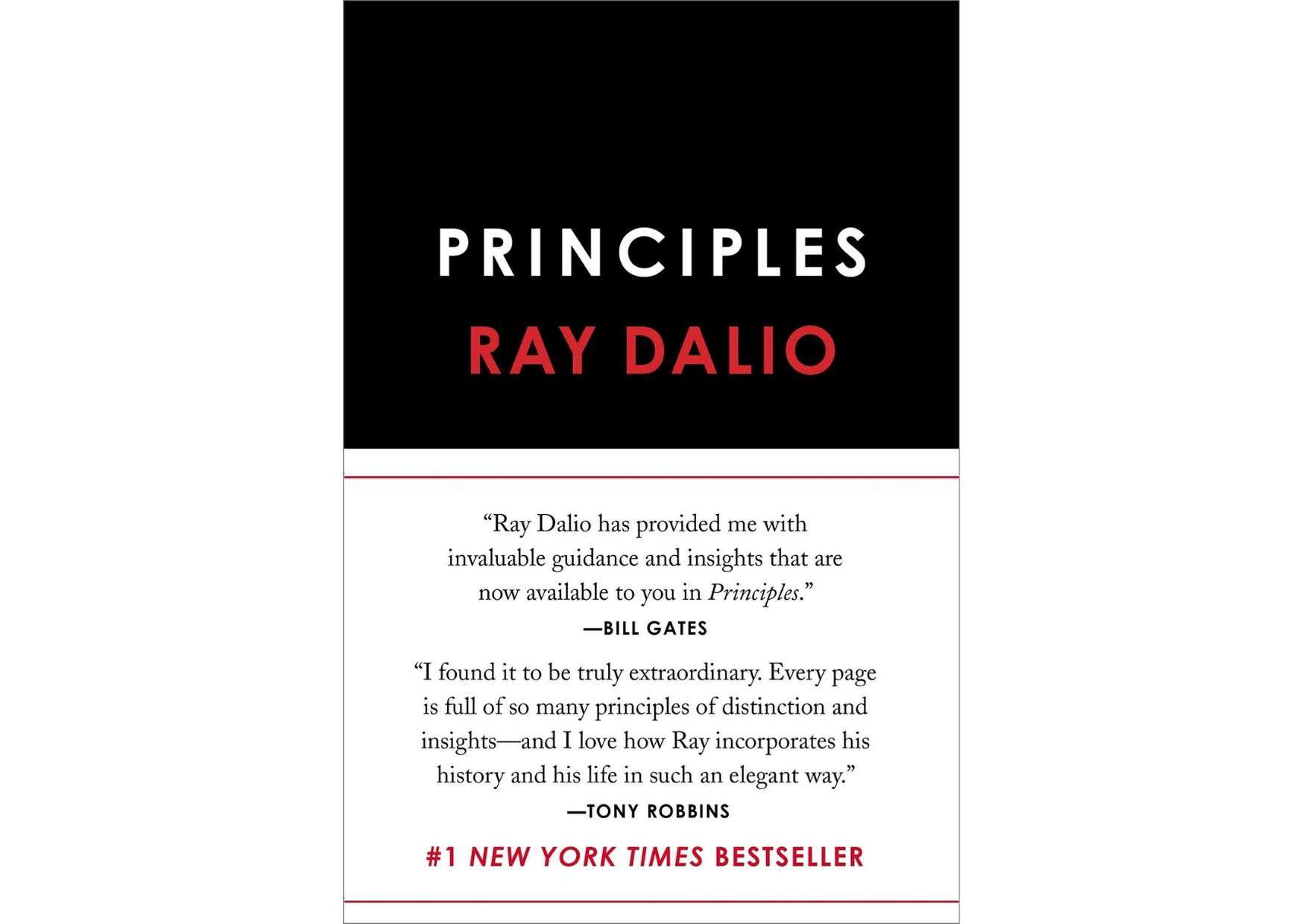 Principles
 isn’t the typical investment book, but it details Ray Dalio’s creation of the investment firm Bridgewater Associates and offers a great amount of knowledge. Dalio shares his wisdom on not just cultivating business relationships and investment strategy, but the set of rules he applies to all areas of his life.
Get this book!
12. Shark Tales
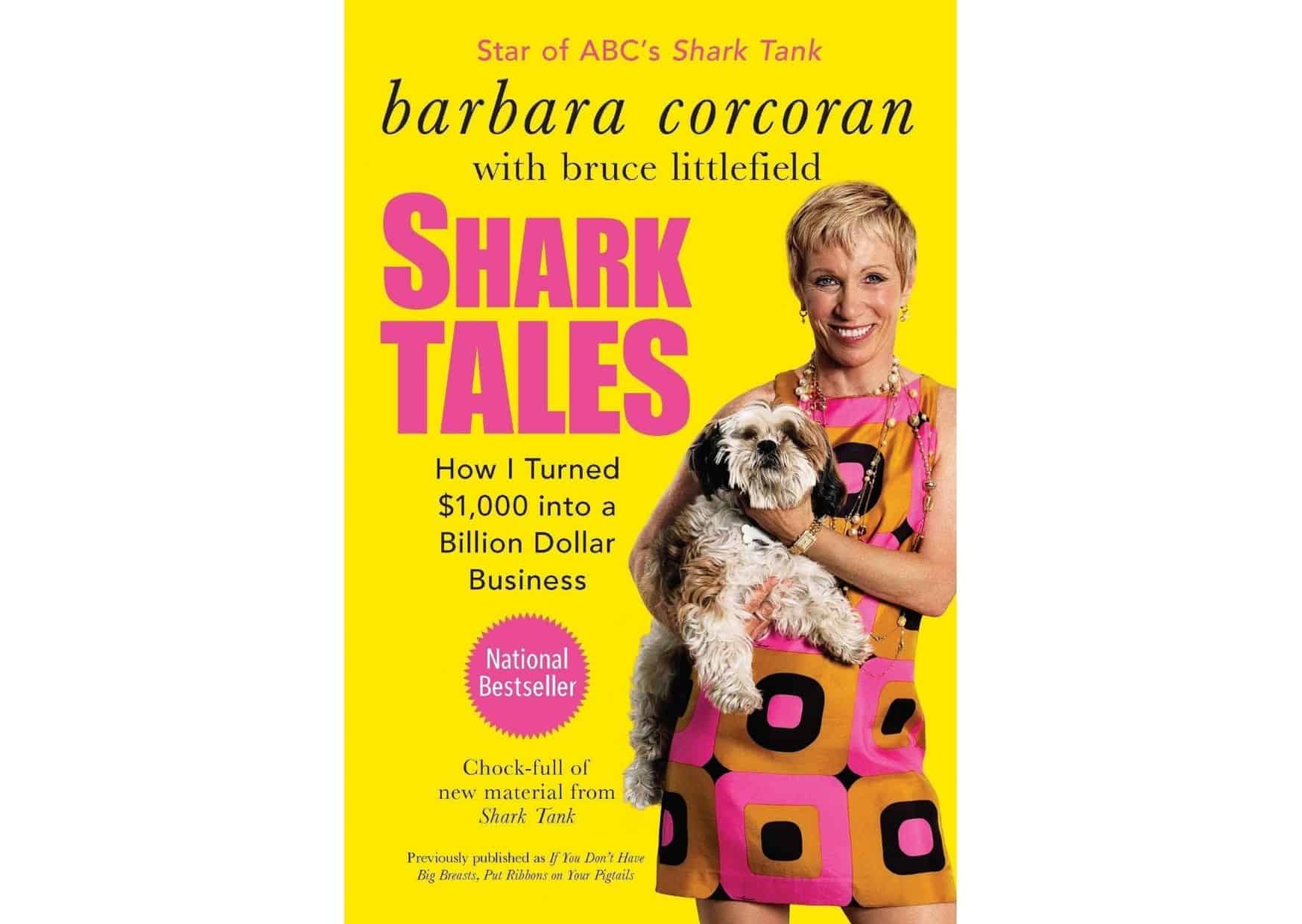
Barbara Corcoran is a familiar face to fans of the TV show Shark Tank, and her book is a fantastic read when it comes to a real-world, rags-to-riches story.
Shark Tales dives into how Corcoran went from being a broke waitress to making the right investments and business moves to become the millionaire investor that she is today.
Get this book!
13. Prince of Darkness: The Untold Story of Wall Street's First Black Millionaire
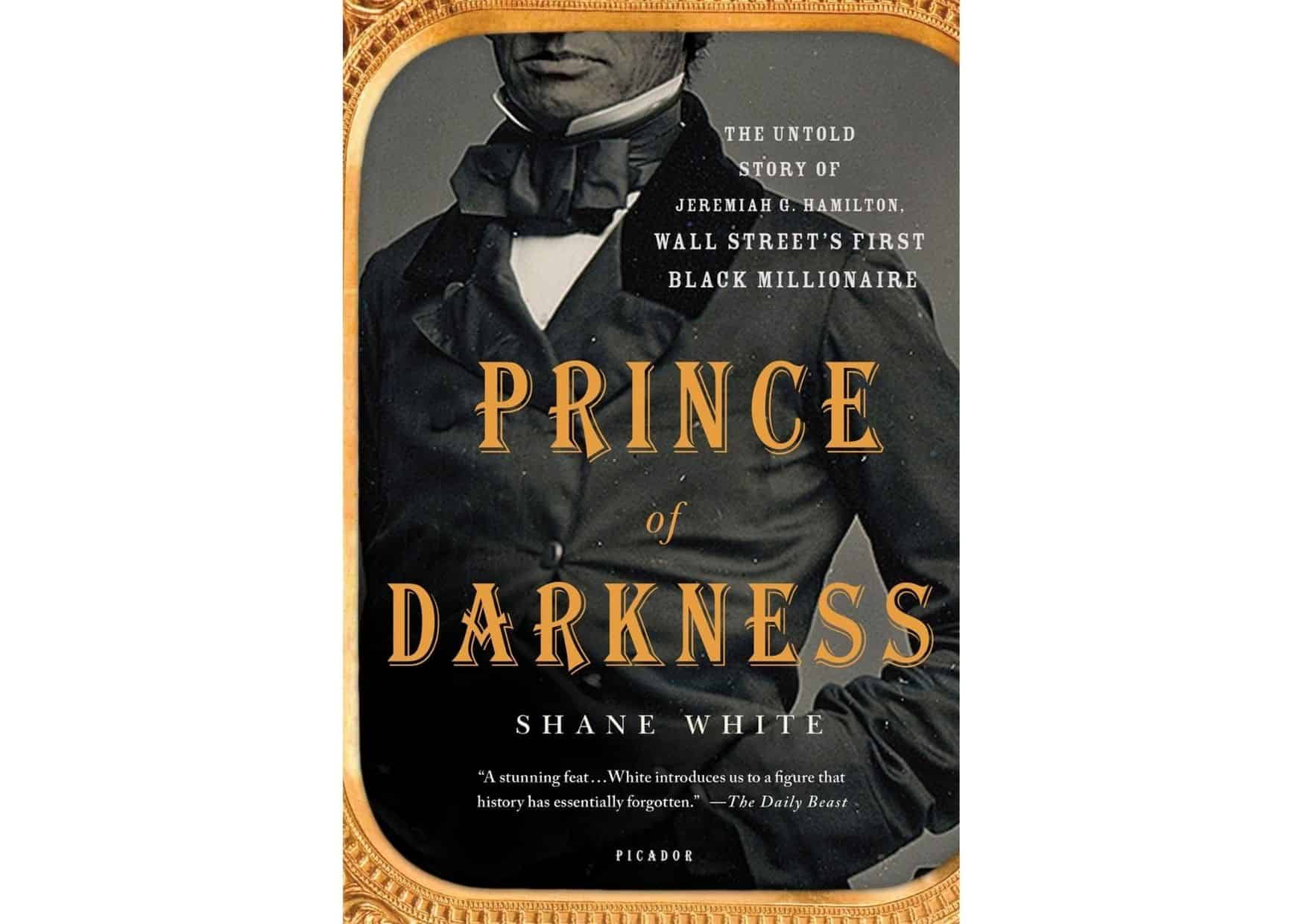
Shane White has done a fantastic job of unearthing and telling the story of Jeremiah G. Hamilton. Born in the early 19th century, Hamilton went on to become a successful investor and the richest Black man in the United States. Prince of Darkness is a truly fascinating story of a man finding success against the odds.
Get this book!
For Aspiring Real Estate Investors
If you're looking to get into real estate investments, take a look at these books before embarking on that adventure.
14. The Book on Rental Property Investing
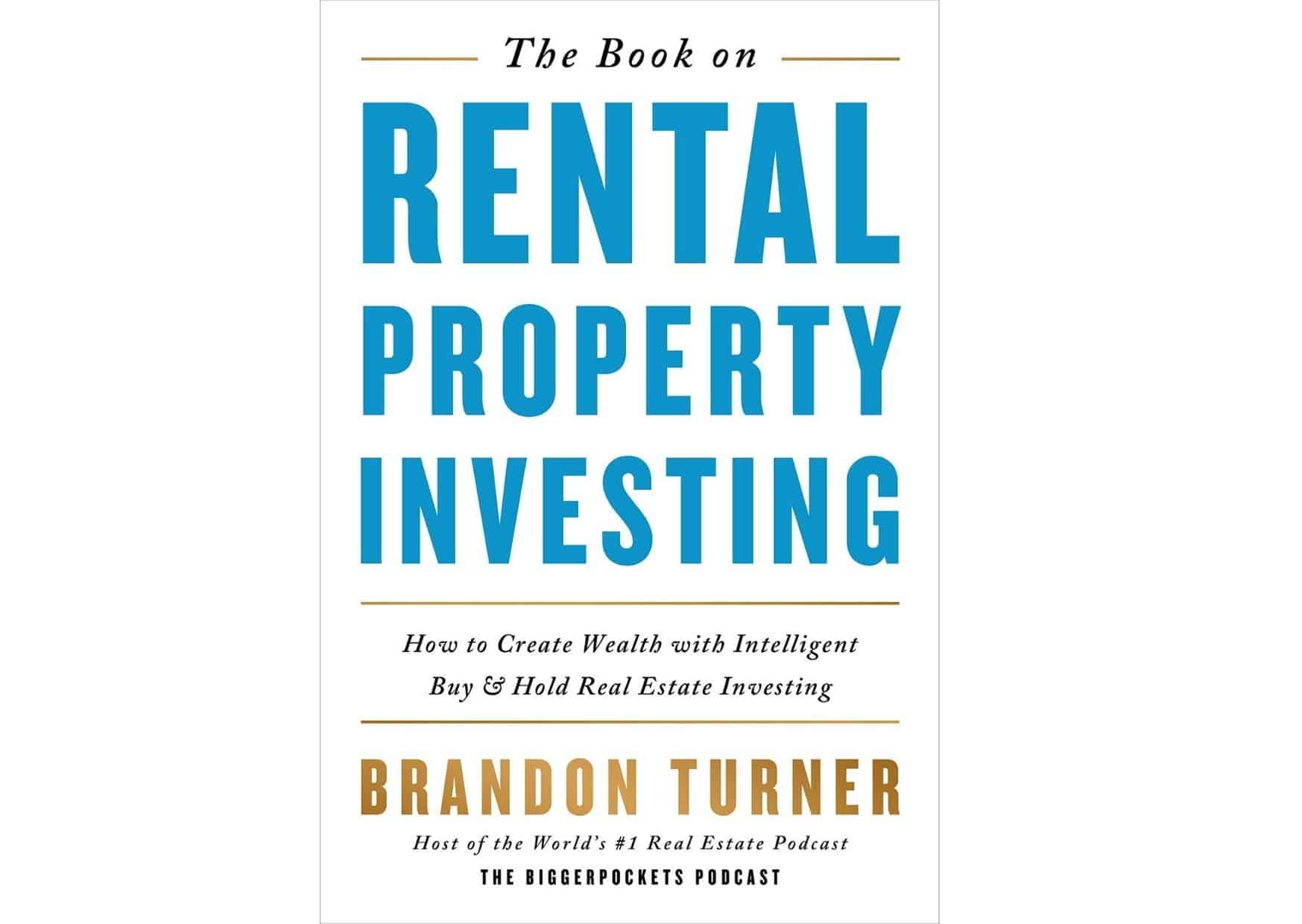
Looking to create some sweet passive income with real estate? The rental market is the way to go. Brandon Turner breaks down everything, from which investments make the most financial sense to how to land your first rental property, and how to avoid the pitfalls of real estate as you grow your rental portfolio.
Get this book!
15. How to Flip Houses With Little or No Money
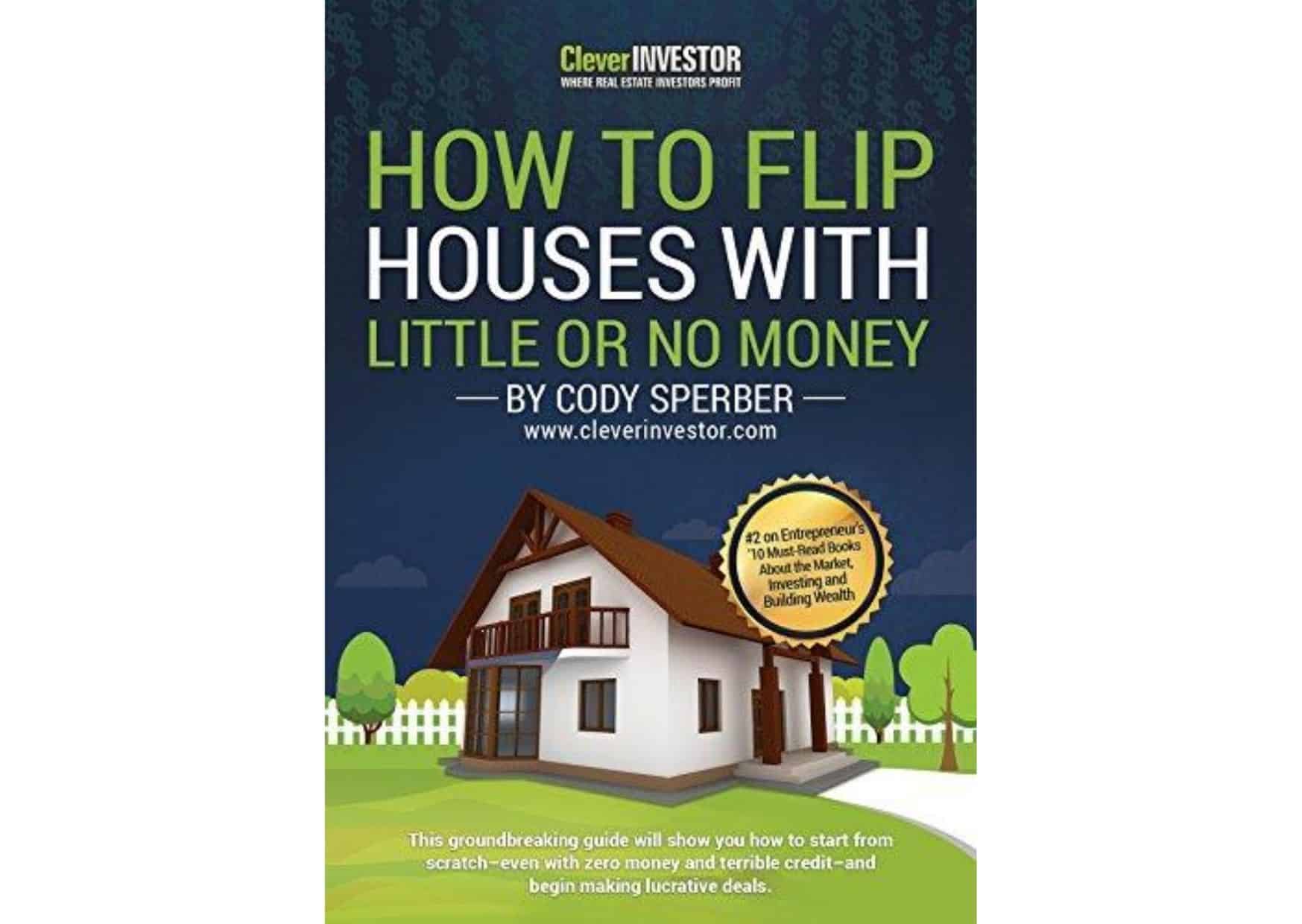
The sheer number of TV shows on the subject is proof of just how popular house flipping has become. Author Cody Sperber has flipped over 1,000 properties and offers tips and how-to advice to entrepreneurs on how to begin investing and flipping real estate on the cheap.
Get this book!
16. The Book on Tax Strategies for the Savvy Real Estate Investor
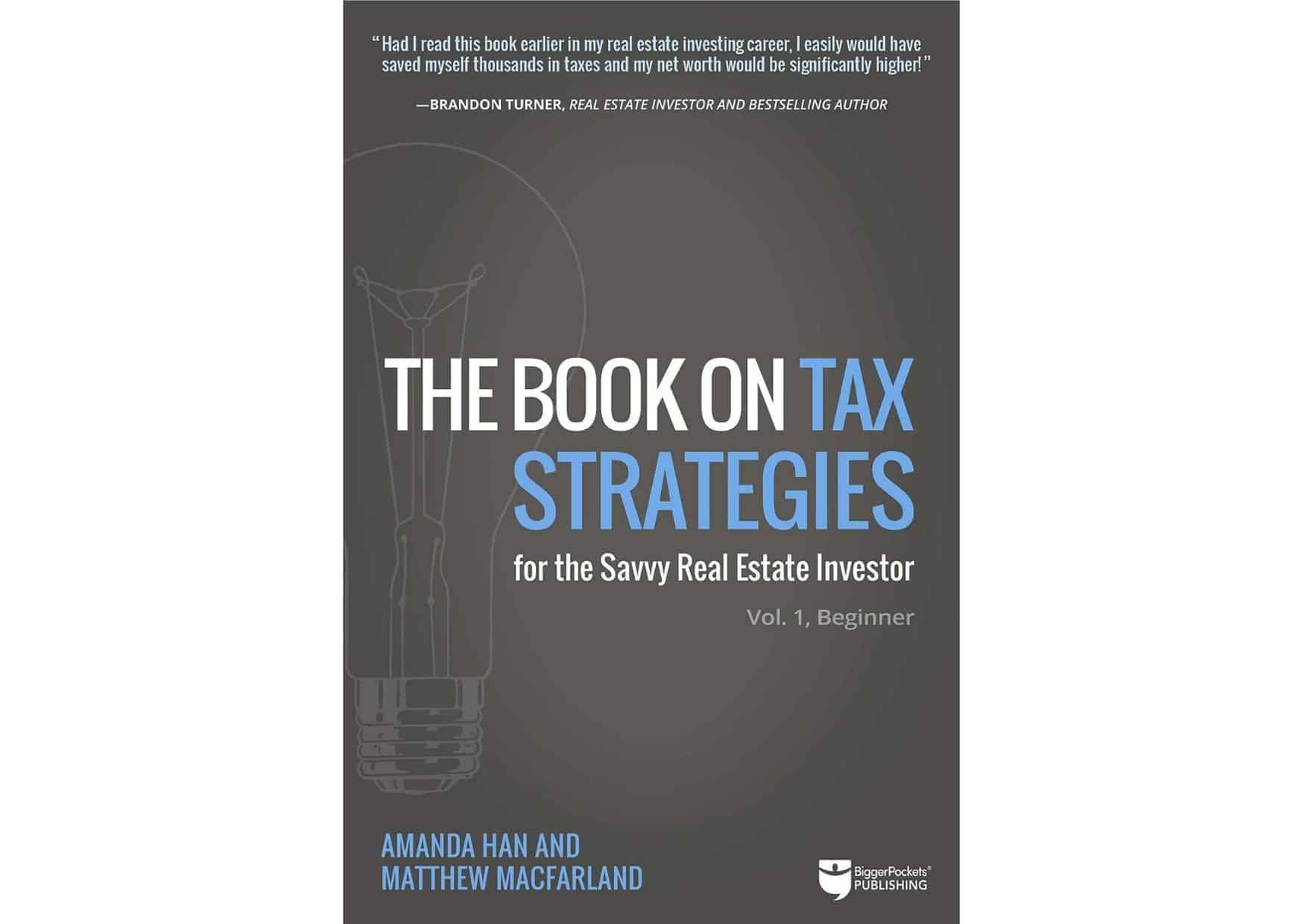
Getting a piece of real estate property at a good price is only part of the strategy involved in successful real estate investing. Written by two CPAs, Amanda Han and Matthew McFarland, the book details everything entrepreneurs need to know when it comes to tax strategy and how it plays into real estate investing. While this may not be the most exciting topic, it is quite essential.
Get this book!
17. Investing in Rental Properties ror Beginners: Buy Low, Rent High
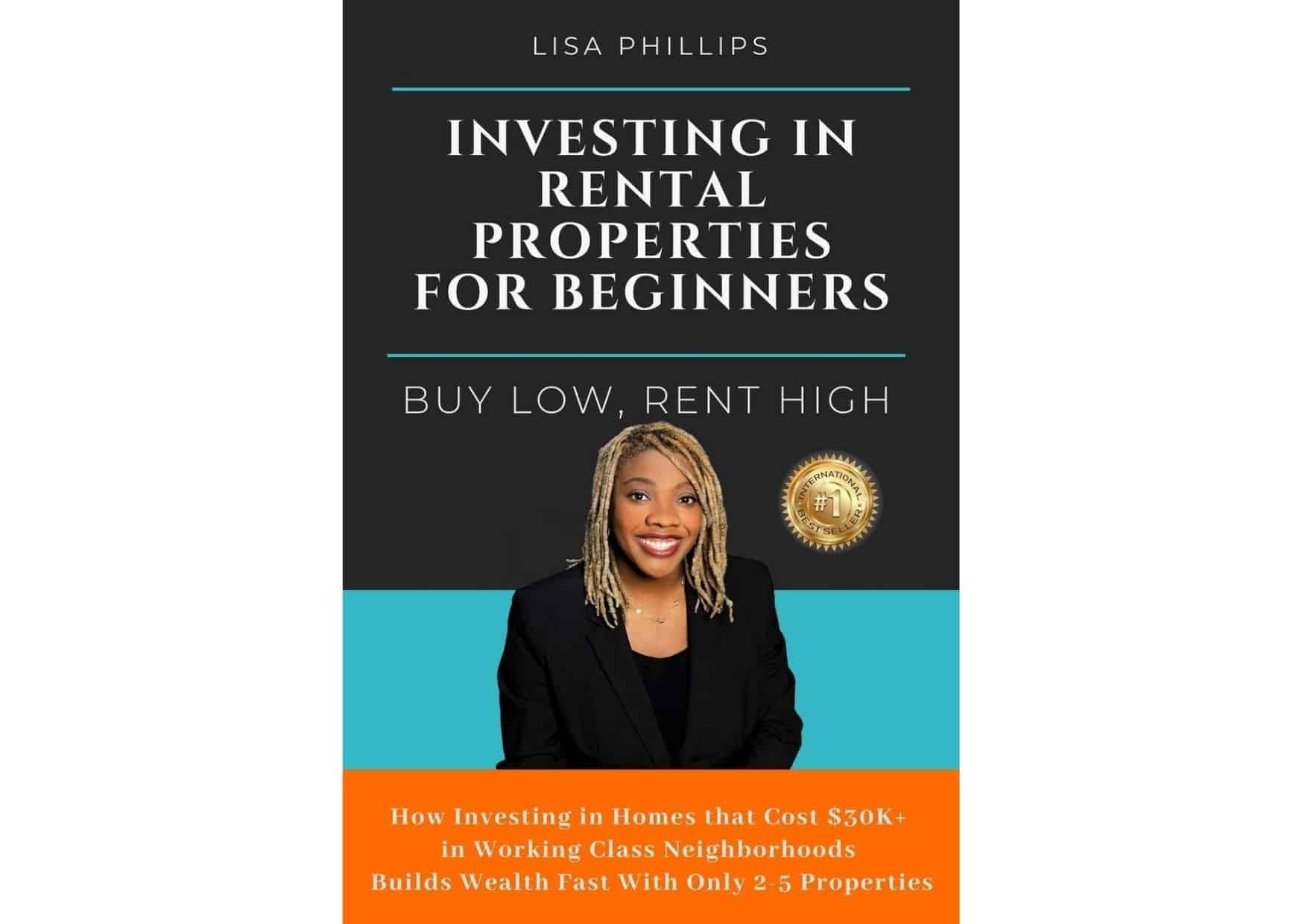
Lisa Phillips’ approach to investing in real estate might not break the mold, but what she does do is show readers a solid foundation of how they can apply proven
real estate investing principles to their own financial situation. That alone makes this book worth its weight in gold for novice investors.
Get this book!
Books That Should Be on Every Entrepreneur's Shelf
Entrepreneurs at any stage of creating their business will find these books full of useful information and practical advice.
18. The Little Book of Common Sense Investing
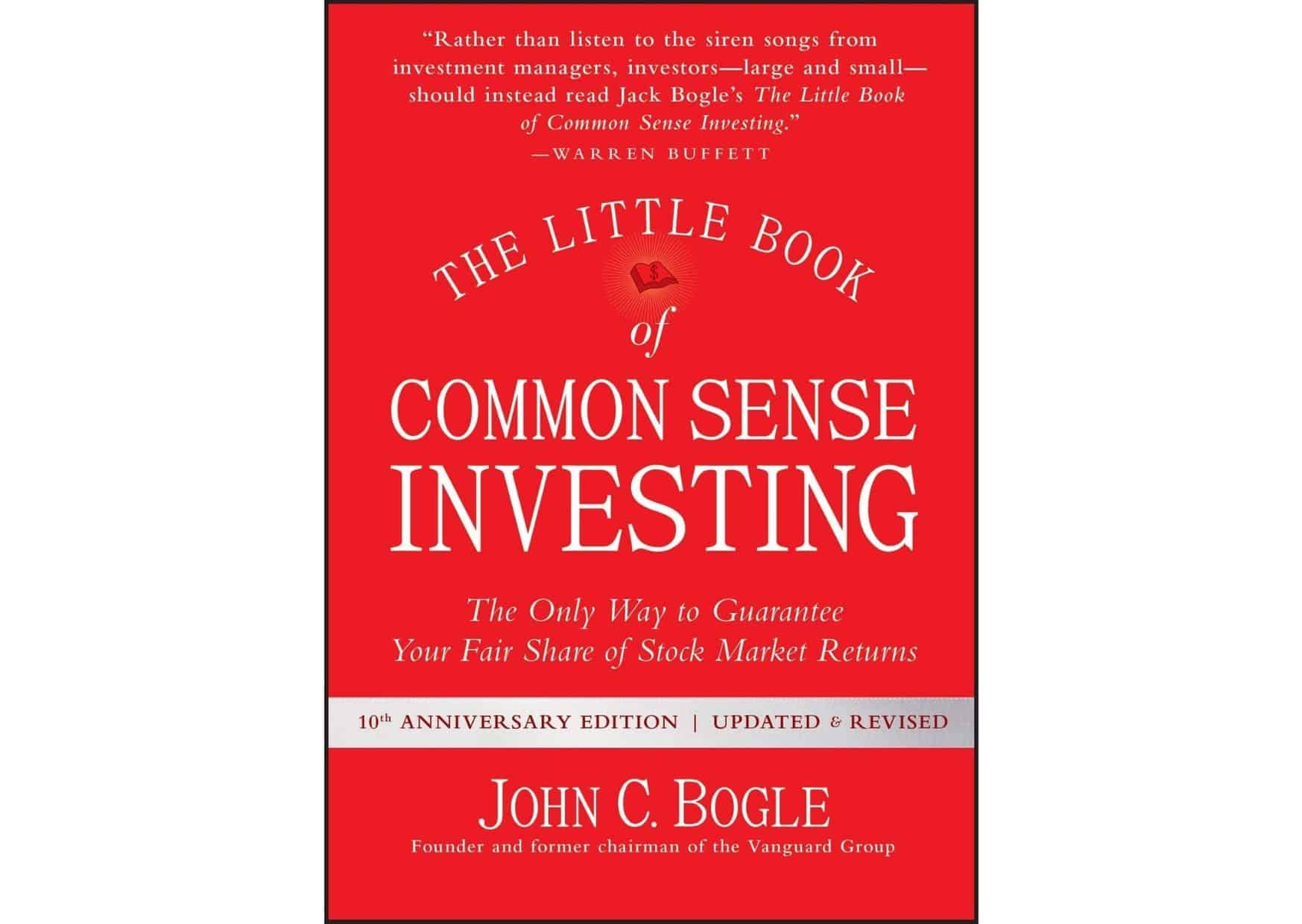
John C. Bogle knows his stuff when it comes to investing as he’s credited with creating the first index fund and founded the Vanguard Group. Bogle doesn’t offer a get-rich-quick approach to investing, but he does guide readers on how to approach the stock market and other investments with strategy.
Get this book!
19. Thinking, Fast and Slow
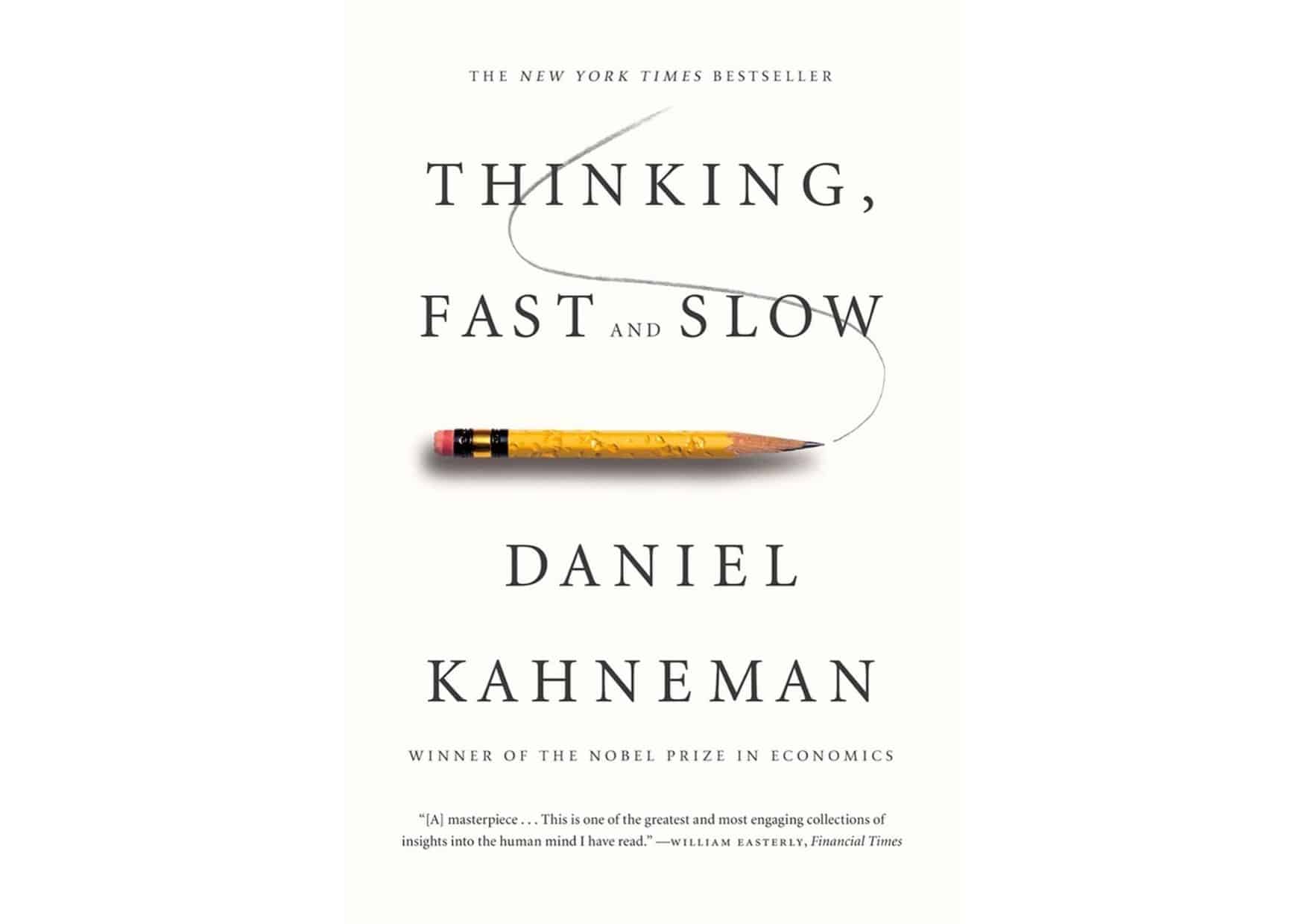
Written by the 2002 Nobel Prize winner in Economic Sciences, Daniel Kahneman, this book looks at the psychological process of investing. Kahneman examines how the thinking patterns of investors can truly make or break them when it comes to success and how to recognize your own
critical thinking investment decisions.
Get this book!
20. Become an Idea Machine: Because Ideas Are the Currency of the 21st Century
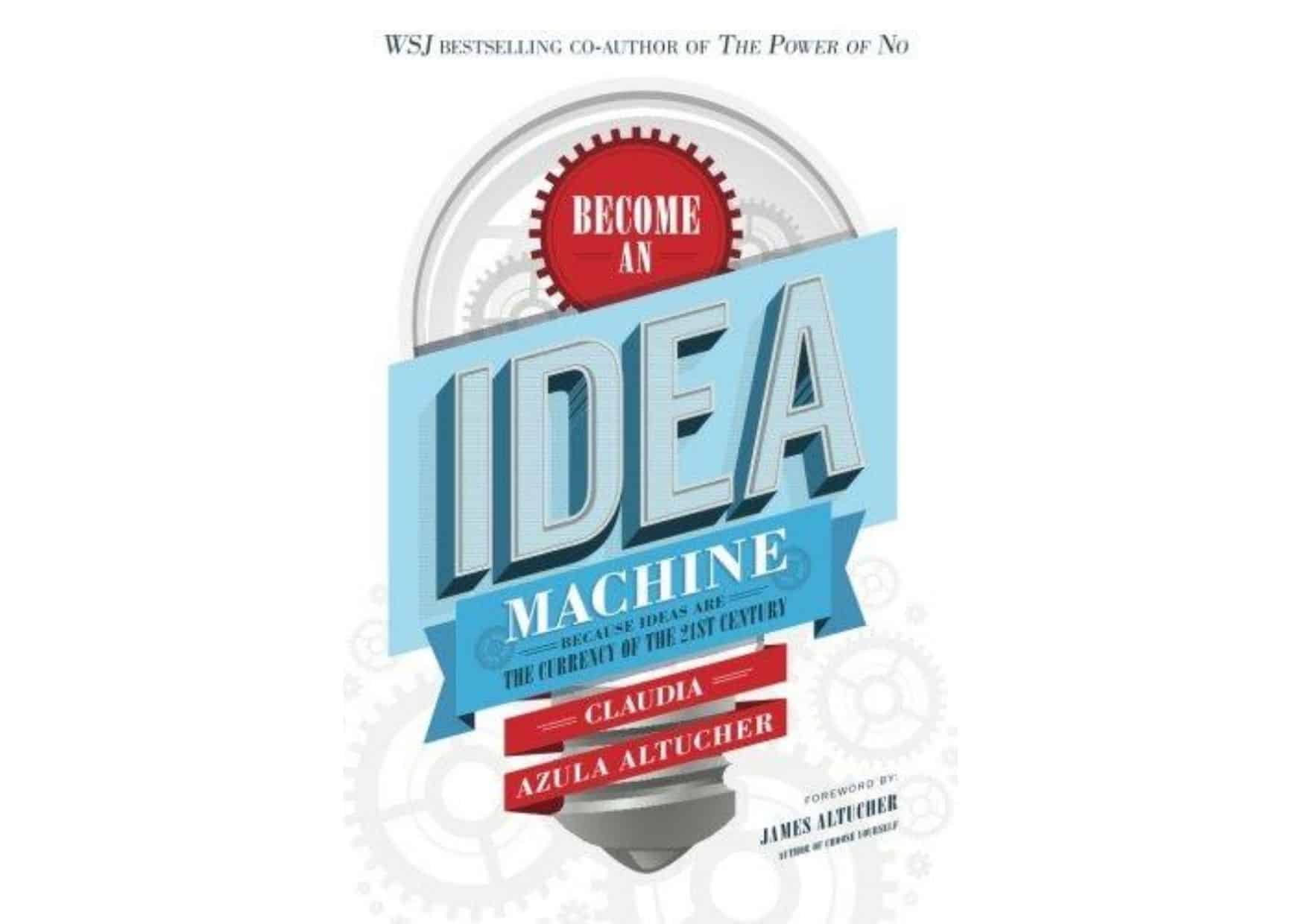
Got a start-up in mind or want to have one? Author Claudia Azula Altucher’s book functions as a workbook of sorts to help entrepreneurs learn to cultivate, recognize, and capitalize on the right investment ideas. The book is full of exercises and tips on tapping into one’s creative and entrepreneurial spirit.
Get this book!
21. The Intelligent Investor
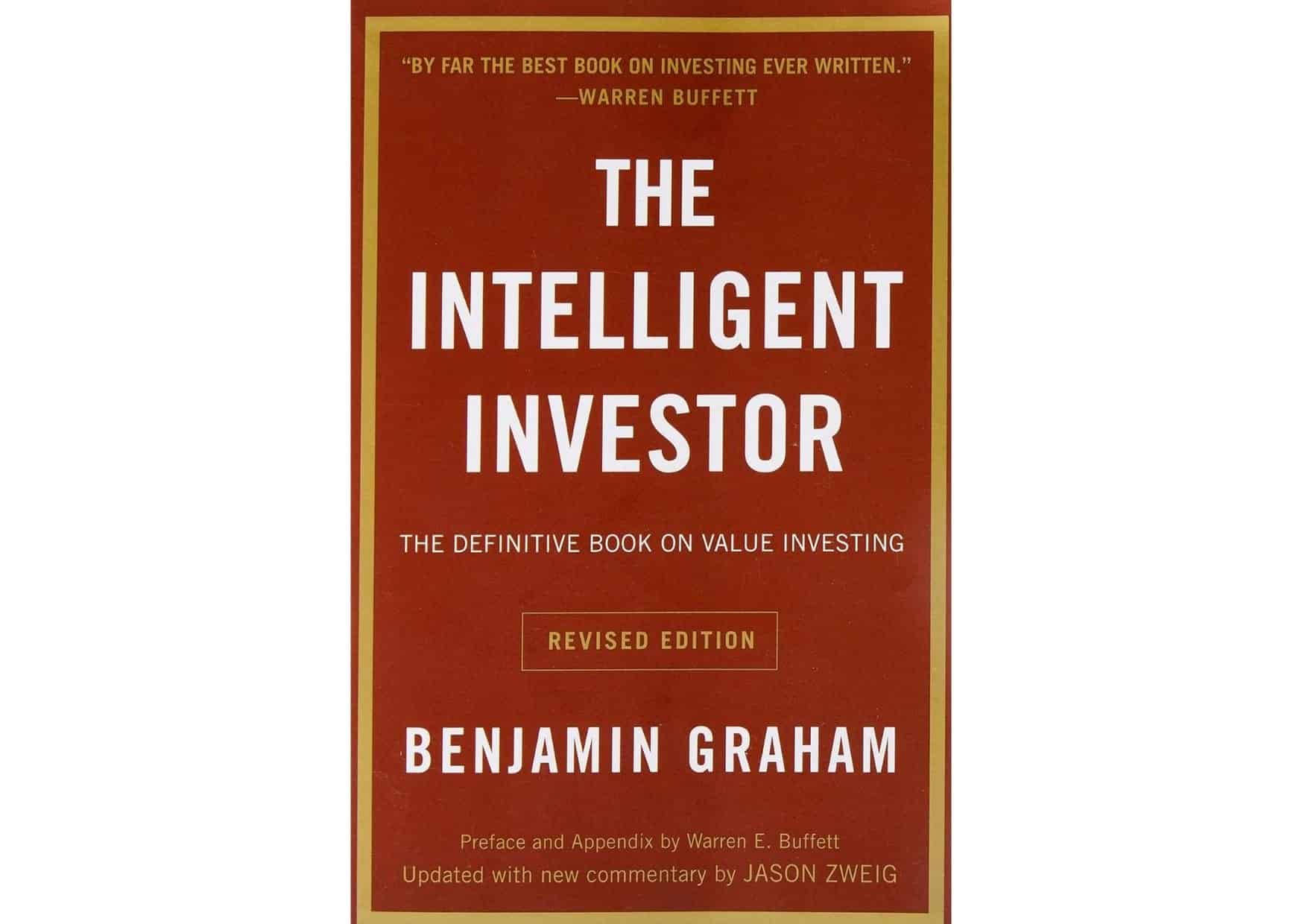
If you’re looking for how to spot and capitalize on the next big trend before it breaks, look elsewhere. Benjamin Graham is in it for the long game and places his focus on value investing((Invezz:
Value Investing Strategy)), which ignores the market trends of the moment and instead shows readers how to pick investments with a proven track record.
Get this book!
22. I Will Teach You to Be Rich
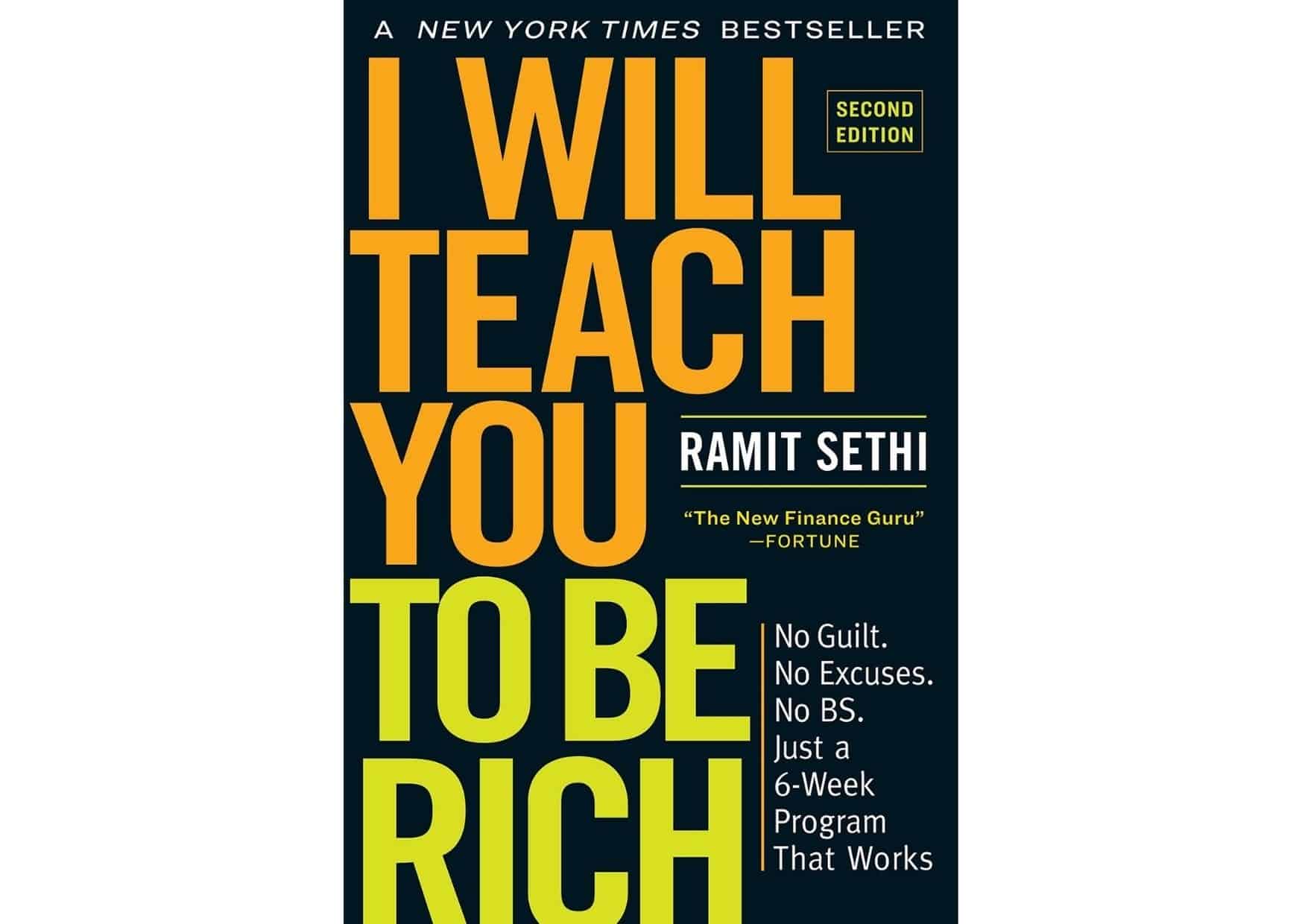
Author Ramit Sethi lives the title of his book in his professional life as the founder of GrowthLab, a site dedicated to showing people how to build a successful automated business. Sethi tackles the challenges of lining up one’s own financial ducks and then growing their money with both wit and practical advice.
Get this book!
23. The Only Investment Guide You’ll Ever Need
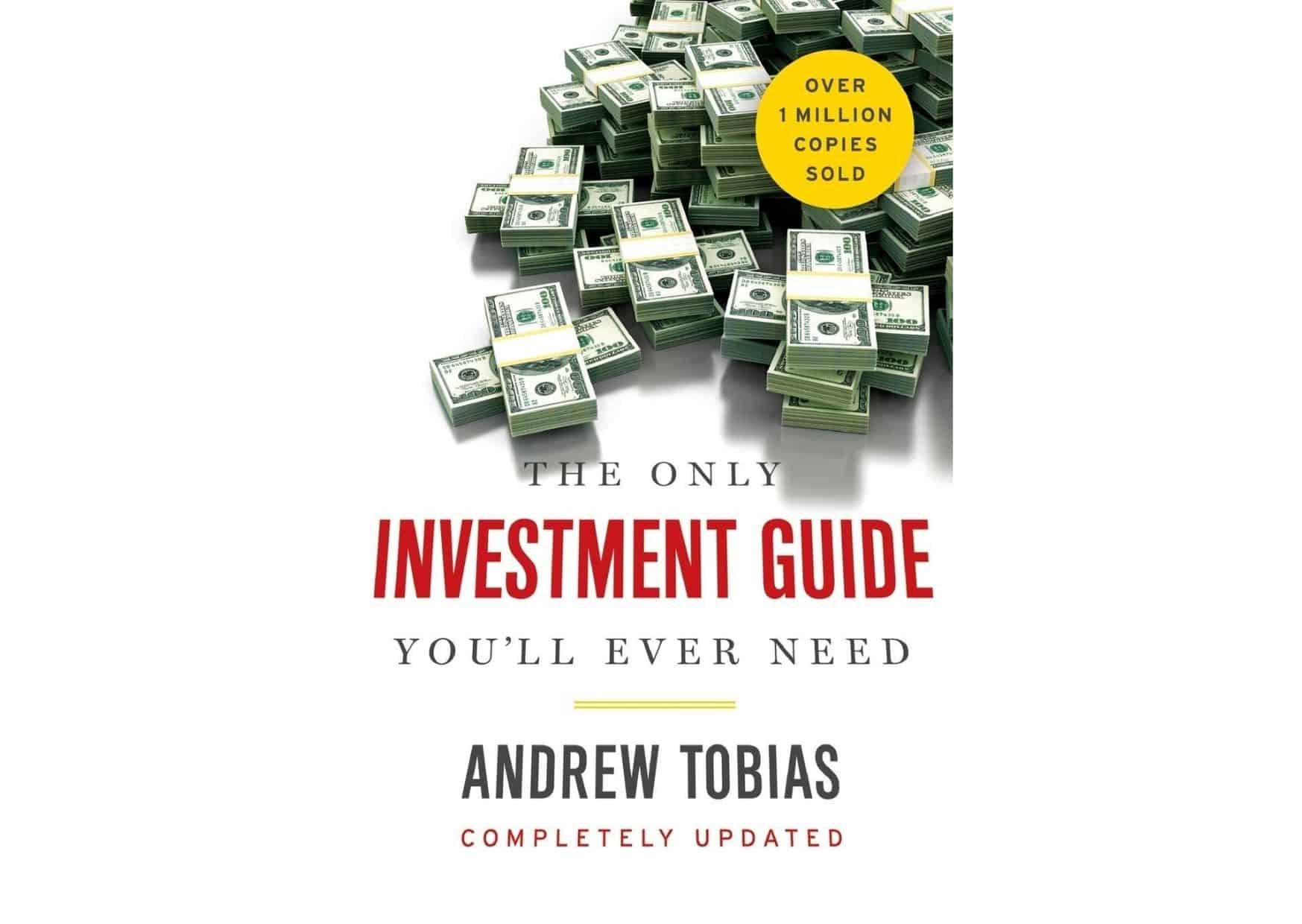
So many investment books offer advice with a “wealthy investors only” approach. Andrew Tobias offers insights, tips, strategy, and guidance for those who don’t have mountains of capital to burn. While the book came out in the 1970s, it’s far from outdated and has been revised over the years to keep up with the times.
Get this book!
24. Rich Dad, Poor Dad
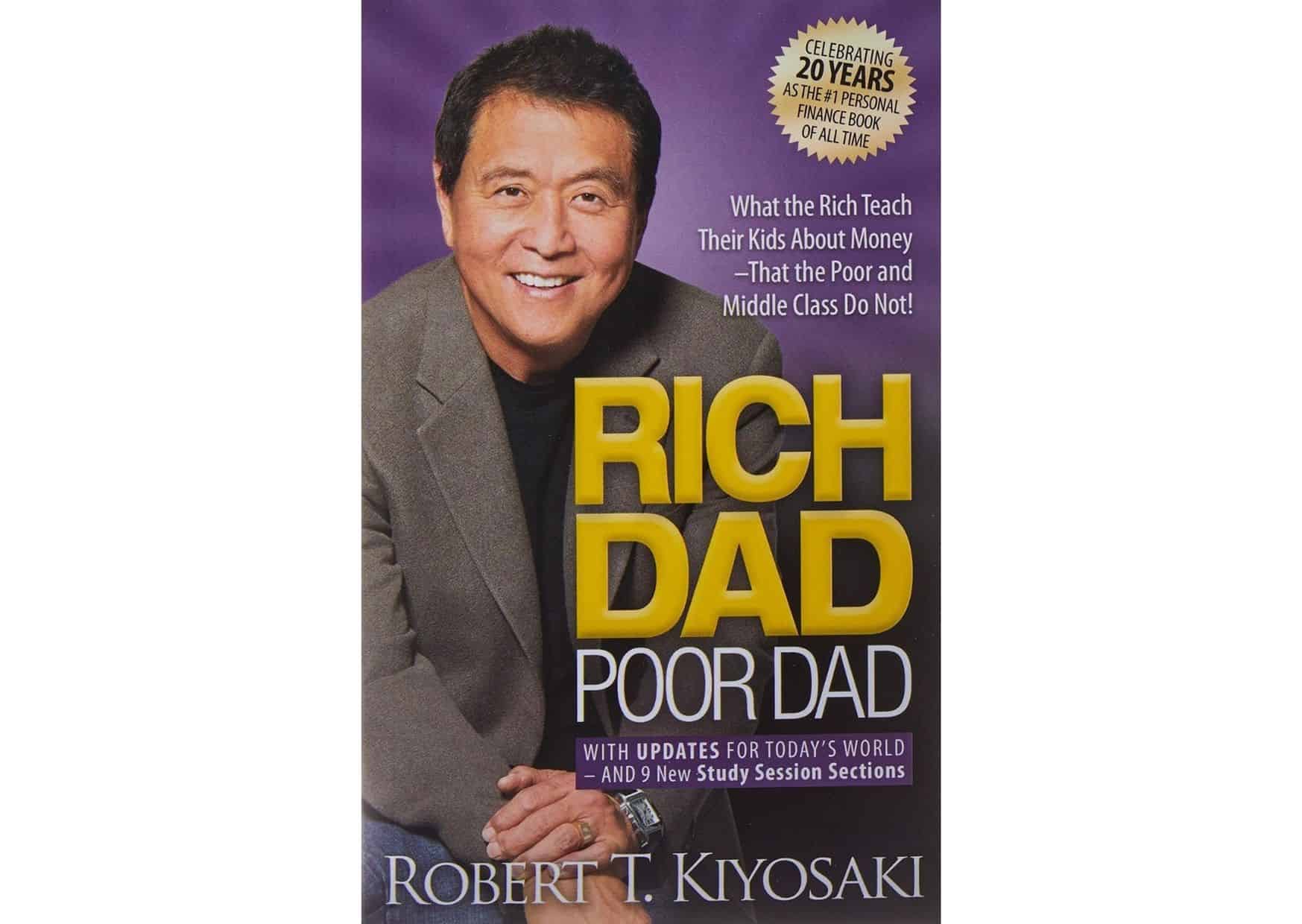
Robert T. Kiyosaki is one of the most well-known financial gurus out there, and for good reason—he offers consistently good, proven advice. Kiyosaki’s views on approaching
wealth-building aren’t without criticism, but
Rich Dad, Poor Dad is worth a read to get some real insight into how Kiyosaki’s investing principles helped him build a net worth of $80 million.
Get this book!
25. Think and Grow Rich
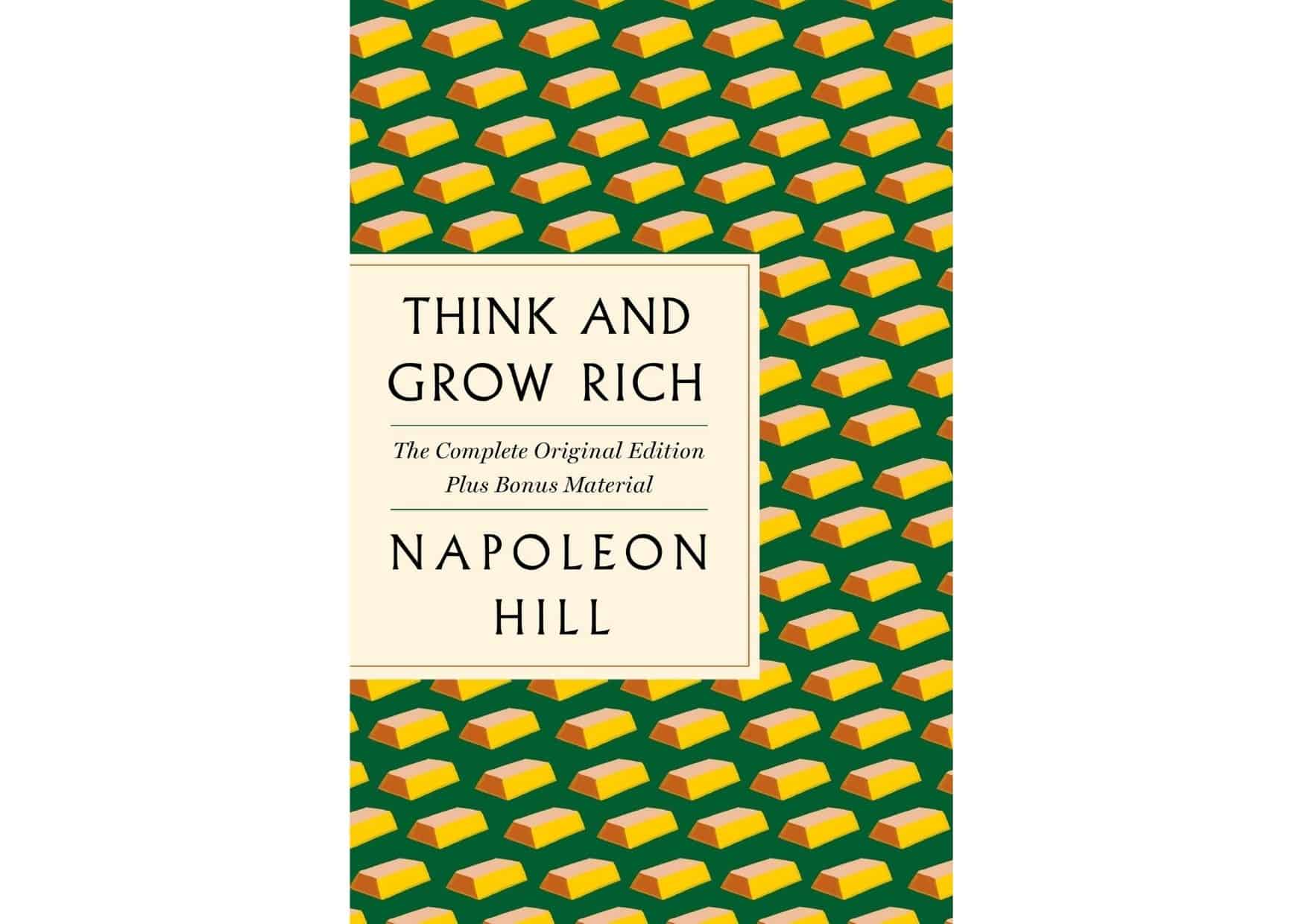
Napoleon Hill’s book could double as a case study as it highlights 500 individuals over the course of 20 years and the 13 traits that led to their wealth-building and success. First published in 1927, the book has sold over 70 million copies. Those numbers alone should be a testament to its value.
Get this book!
More Books on Investing Wisely

 One of the best audiobooks around for self-improvement is Stephen R. Covey’s ‘The 7 Habits Of Highly Effective People’. It is one of the best modern self-improvement books you can pick up. I say modern, even though it was published in 2004. The reason I make that claim is due to Covey’s overall approach. He doesn’t indulge in pop psychology or common trends. He doesn’t say what so many people in this industry talk about. The latest version has a foreword and afterword where Covey explains the relevance of these habits in the modern world and answers questions he’s been asked over the years since. Get this audiobook!
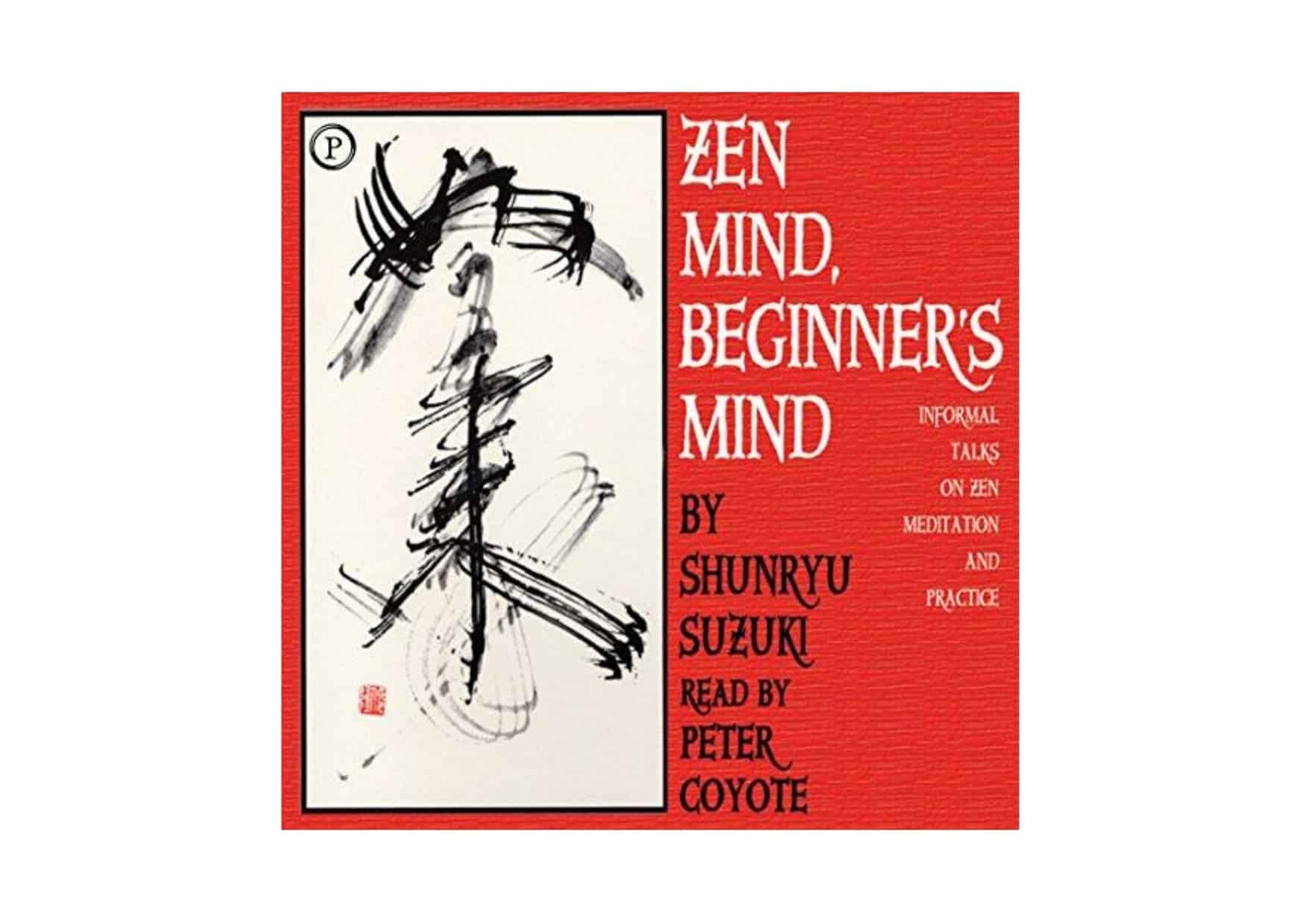 Another one of the books to listen to is ‘Zen Mind, Beginner’s Mind’. Written by Shunryu Suzuki, this 2011 book is one of the most beloved American Zen books. To give you a taste here is the first line of the book: "In the beginner's mind there are many possibilities, but in the expert's there are few." It is an immensely powerful line and it is filled to the brim with these particular nuggets of wisdom. Get this audiobook!
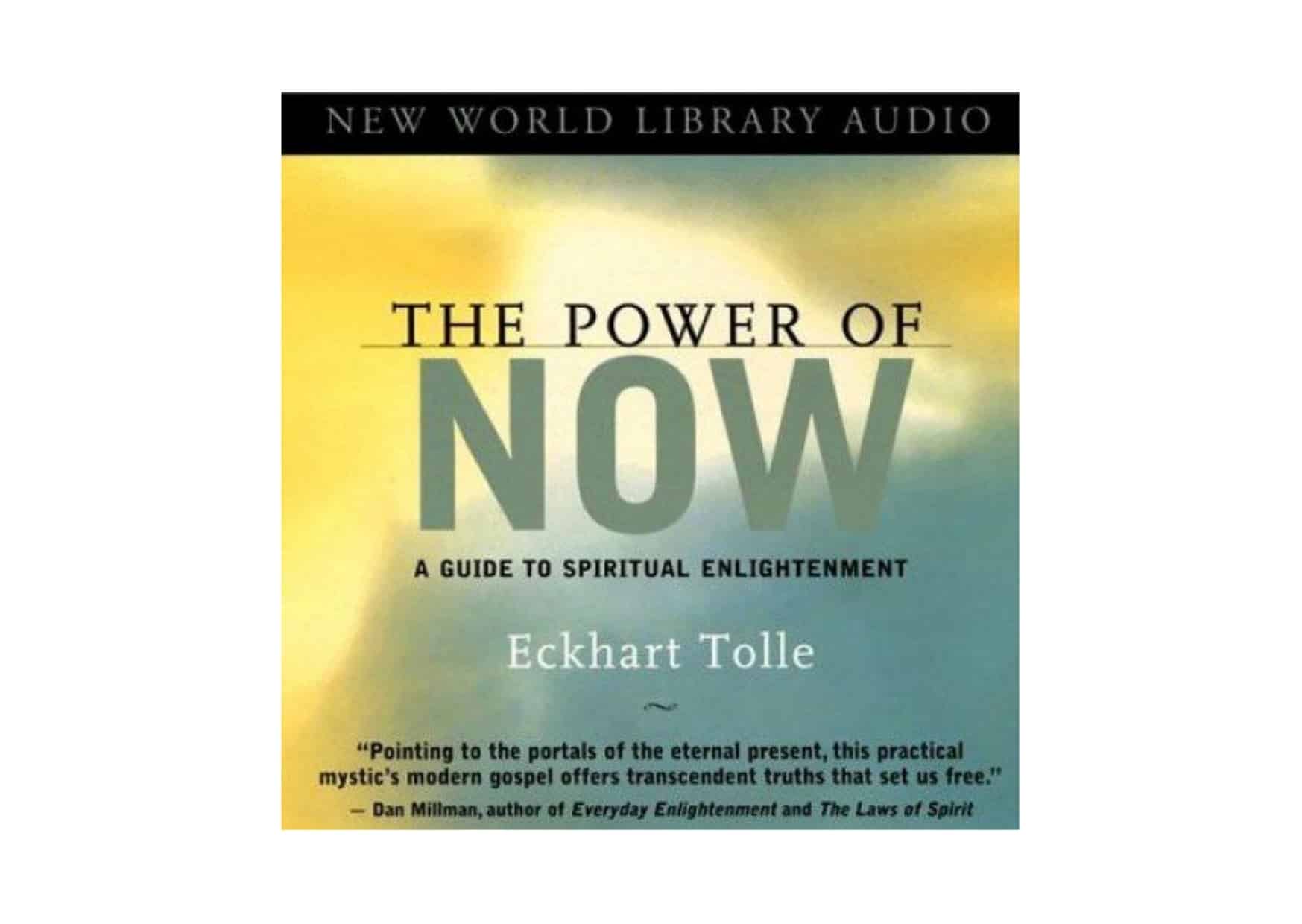 Published in 2000, ‘The Power of Now’ explains a journey—a journey that encourages you to dismiss your analytical mind and set aside your ego as well. Already, you can tell that journey is difficult, but the author, Eckhart Tolle, guides you through these transitions with easy to understand words and phrases. The purpose of this book is to help you through living in the current moment—the "now." Get this audiobook!
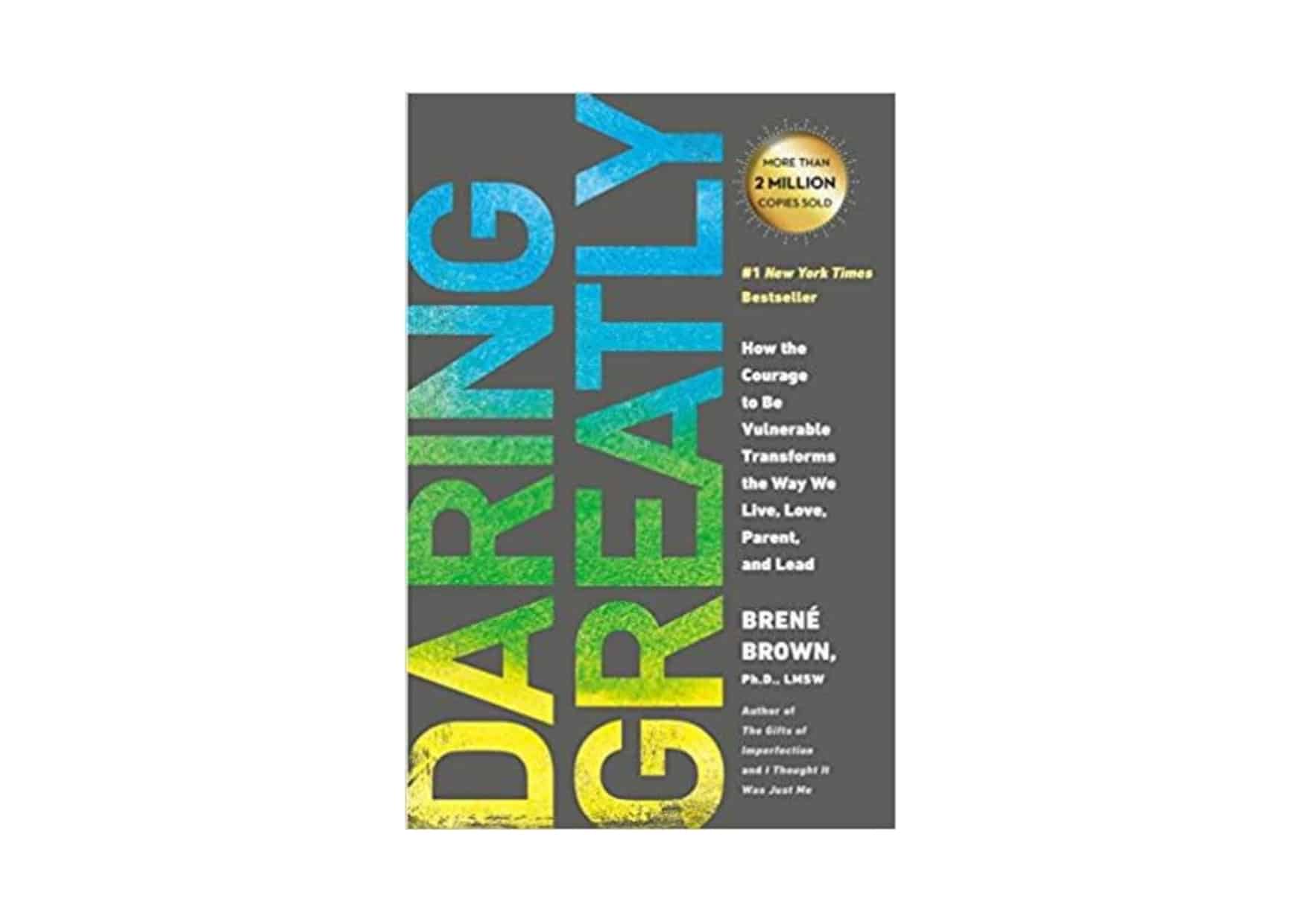 Over one million copies sold, Daring Greatly by Dr. Brené Brown is among the list of best and most famous audiobooks. The premise of the book is the idea that we all experience vulnerability in our lives and Brown argues that it’s alright that these happen. The book also stresses that it’s not always about winning or losing these battles of vulnerability. Instead, it’s about courage, willingness to accept vulnerability, and throwing ourselves into further risk. Get this audiobook!
 One of the Amazon audiobooks you’ll want to pick up is ‘Good Morning, I Love You’ by Shauna Shapiro. Another zen-related book, Shapiro’s approach is a bit different from other zen books. Most people encourage meditation, but Shapiro pushes for something different. Instead, she brings up the science and explains why we feel what we feel instead rather than trying to “empty your mind with mindful meditation.” Get this audiobook!
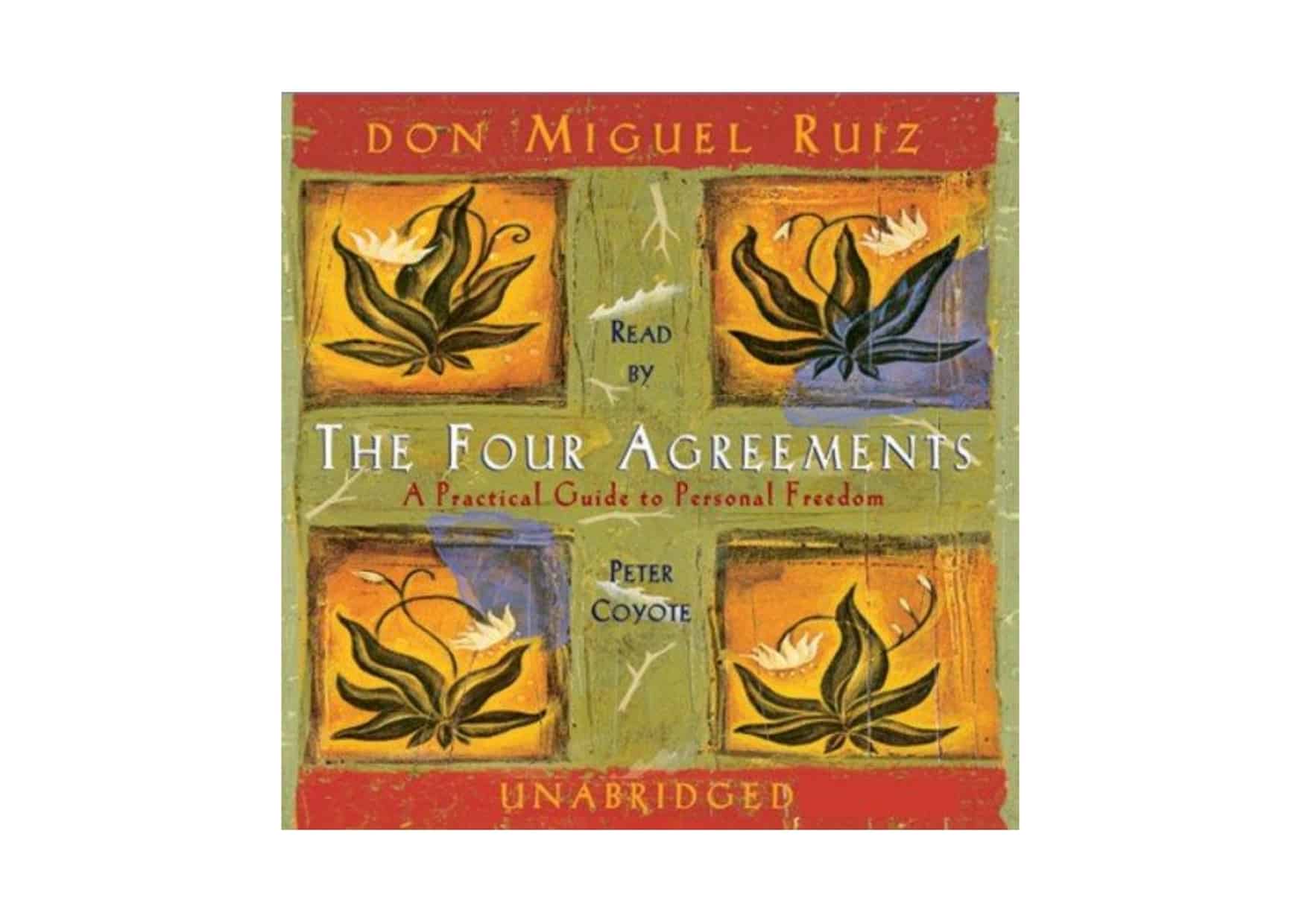 Written by don Miguel Ruiz, ‘The Four Agreements’ covers the sources of limiting beliefs. Using Toltec wisdom, this is one of the audiobooks that uses ‘the four agreements’ as a powerful code of conduct to transform your life and thrive. Get this audiobook!
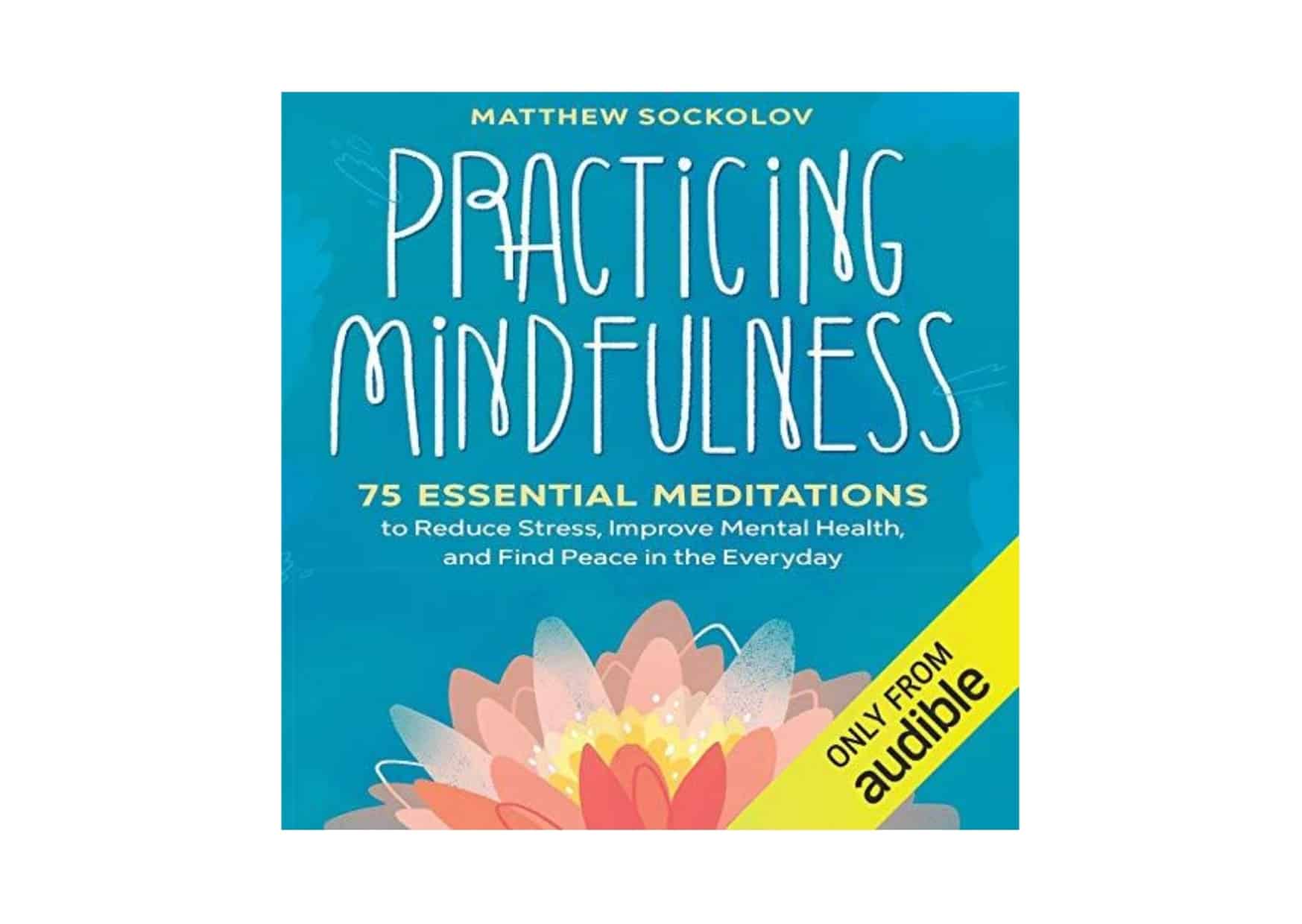 For those looking for mindful meditations, ‘Practicing Mindfulness’ by Matthew Sokolov is one of the best audio novels to pick up. The book provides 75 exercises that are backed by science to help you bring calmness and compassion into your daily life. Get this audiobook!
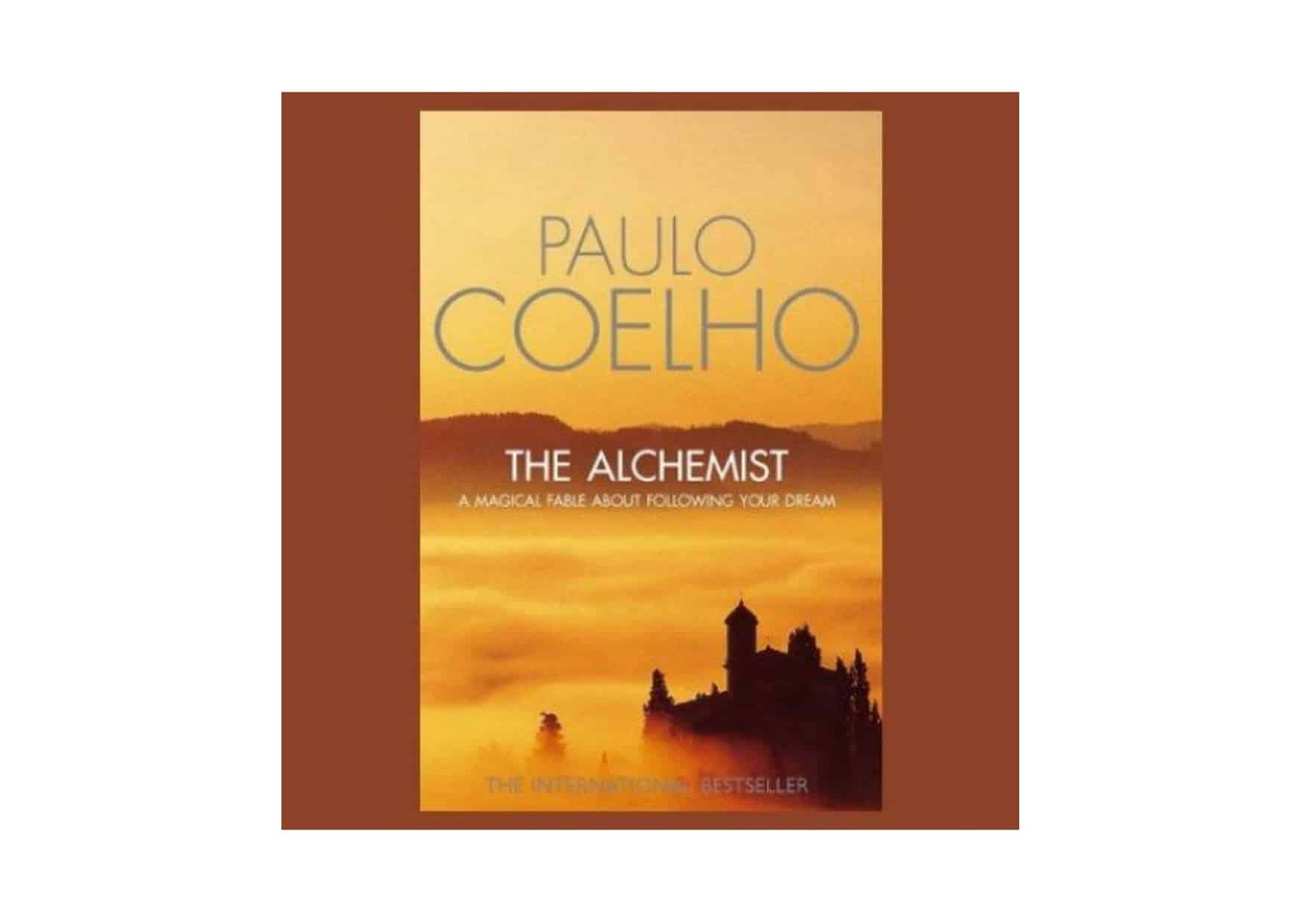 From the title alone, you’d think that you won't find this in the audio self-help books section. The reality is that it’s one of the most powerful audiobooks around. Written by Paulo Coelho, this book has inspired a following all across the world. It presents a simple—and yet dazzling—story. It is one of the best audio stories you’ll hear. In short, it talks about the journey of a boy named Santiago who travels from Spain to Egypt in search of riches. Along the way, he meets three characters, a gypsy woman, a man who thinks he’s a king, and the alchemist. These characters help guide Santiago to his goal, but over time that goal changes. It moves away from worldly riches to something deeper and more profound. I’ll let you figure out what that is. Get this audiobook!
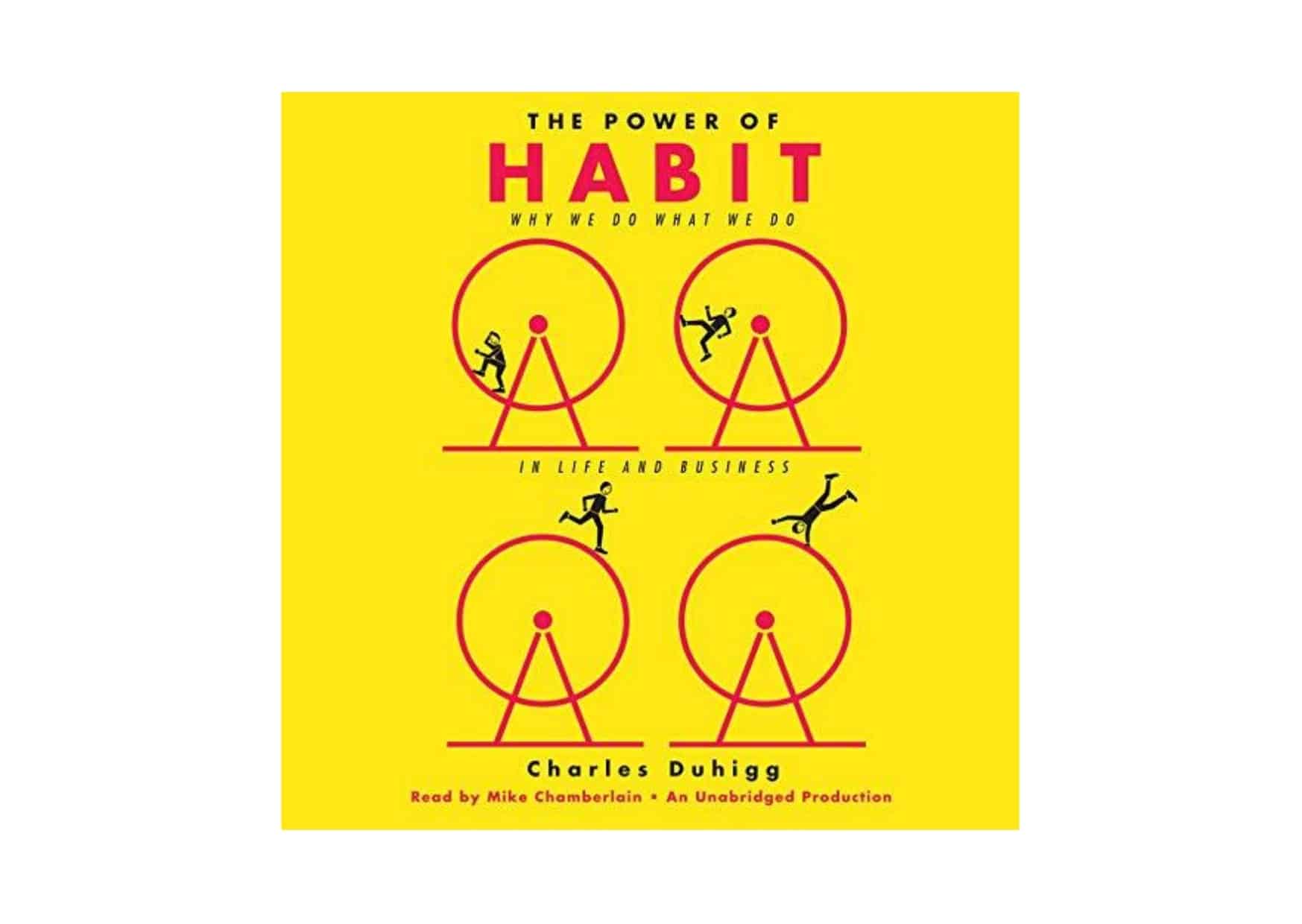 Written by Charles Duhigg, ‘The Power of Habit’ talks all about the power behind habits using various cases and scenarios to present Duhigg’s points. In the book, Duhigg distills complex systems and methods into easily digestible stories that people and businesses can relate to. These stories bring us to what goes on behind the doors at Proctor & Gambles and bring us to the sidelines of NFL team tactics. All in all, it presents valid arguments when it comes to habit building and explains it in a way you have never seen before. Get this audiobook!
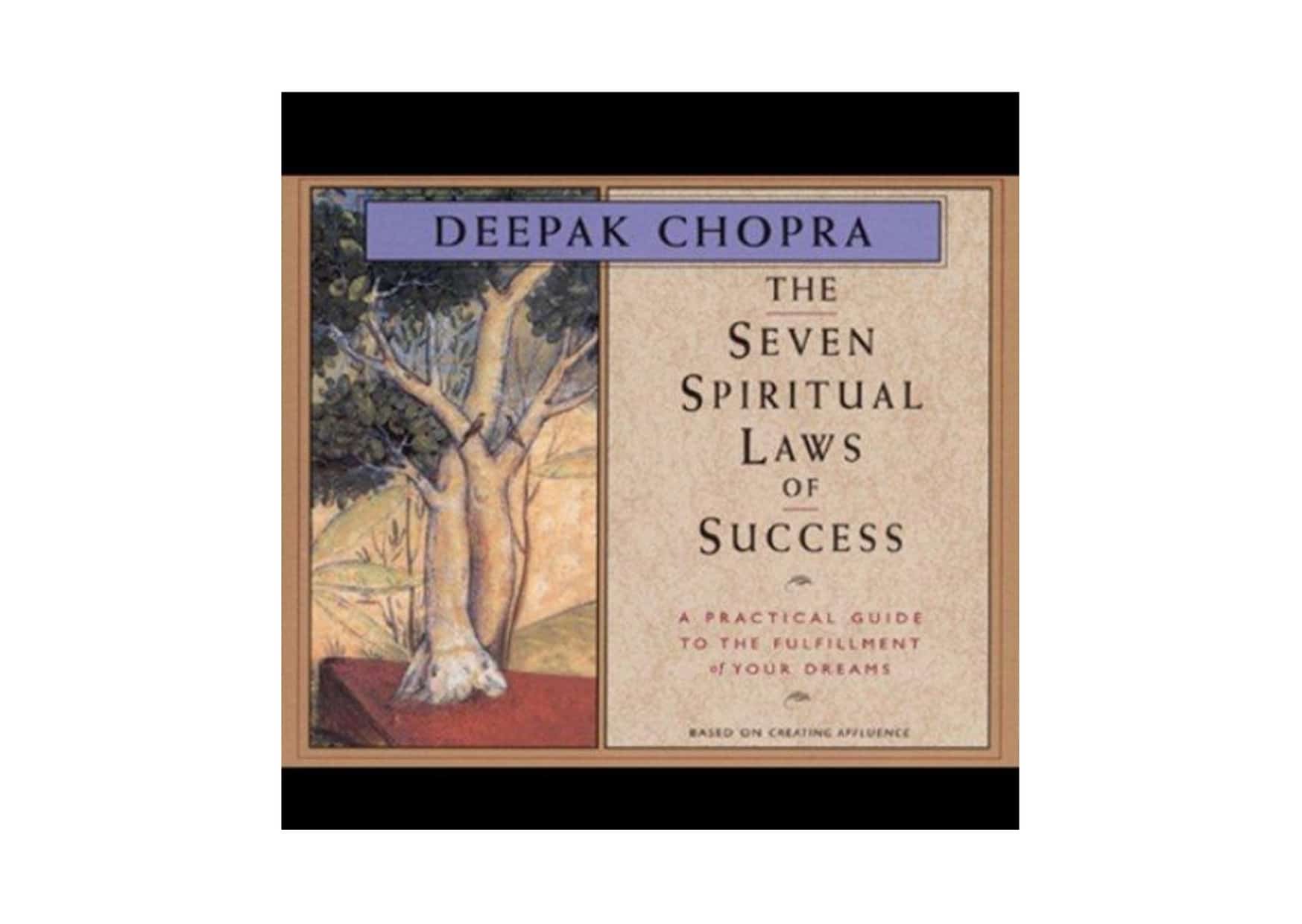 As the title suggests, ‘The Seven Spiritual Laws of Success’ talks about seven natural laws of success. Written by Deepak Chopra, Chopra uses all his years of teaching and distills them into seven simple principles or laws that you can apply to see success. Beyond that, the book aims to shatter the myths surrounding success and gives the reader a peek at what it’s really all about. Get this audiobook!
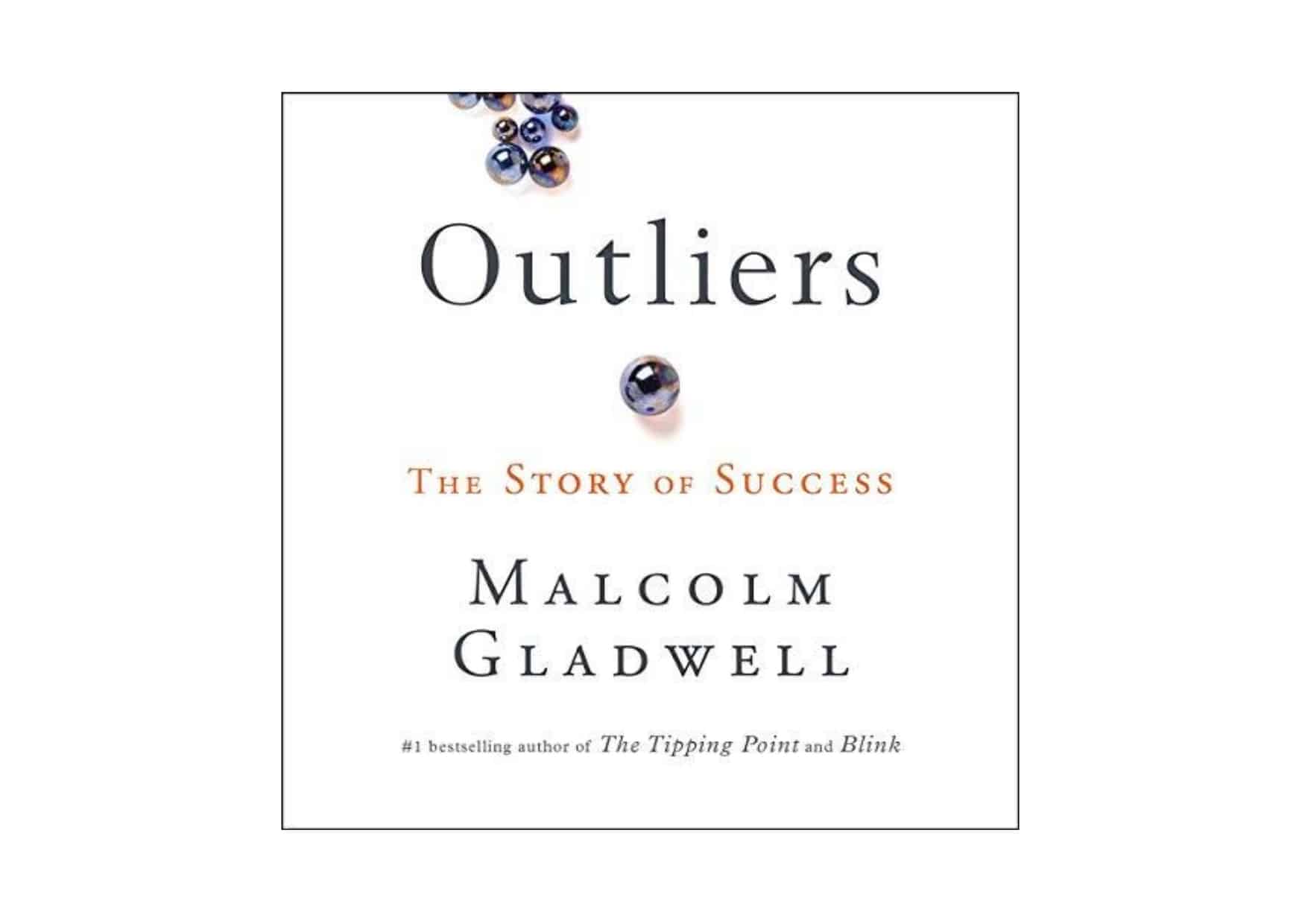 Written by Malcolm Gladwell, this book is, well, an outlier amongst self-improvement books. It is the book that popularized the idea that practicing 10,000 hours total will make you an expert in that area. There is that factoid, but it also covers other aspects that many of today’s billionaires and successful people use—things that stretch beyond traditional methods. Get this audiobook!
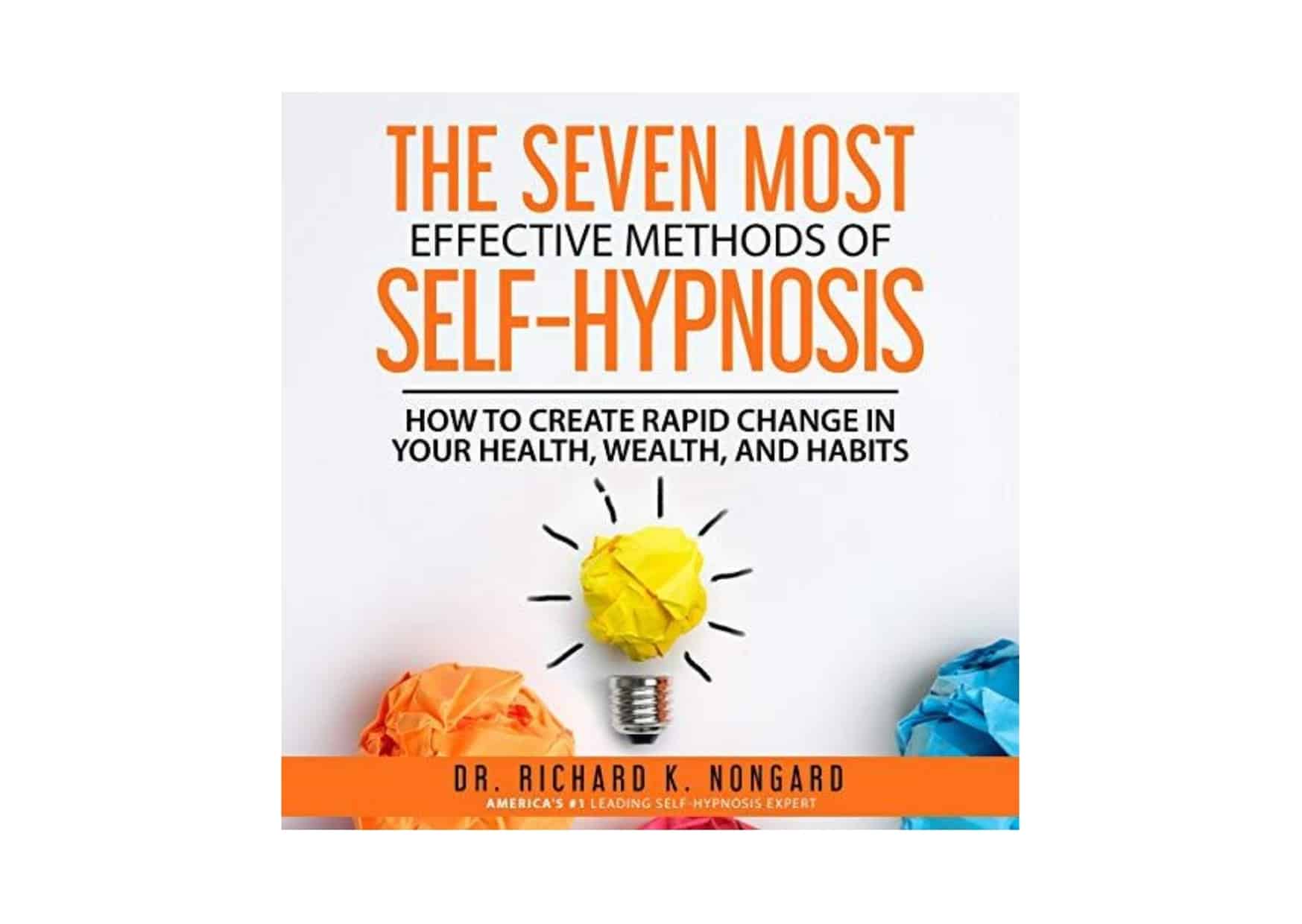 One of the easiest ways to make drastic changes in your life is the idea of self-hypnosis. Over the years, many great books have pushed the importance of this, from Napoleon Hill’s ‘Think and Grow Rich’ to Tony Robbins ‘Awaken the Giant Within’. The idea behind this book is to expand on those ideas and give you seven of the best methods that you can use and how to use them. Get this audiobook!
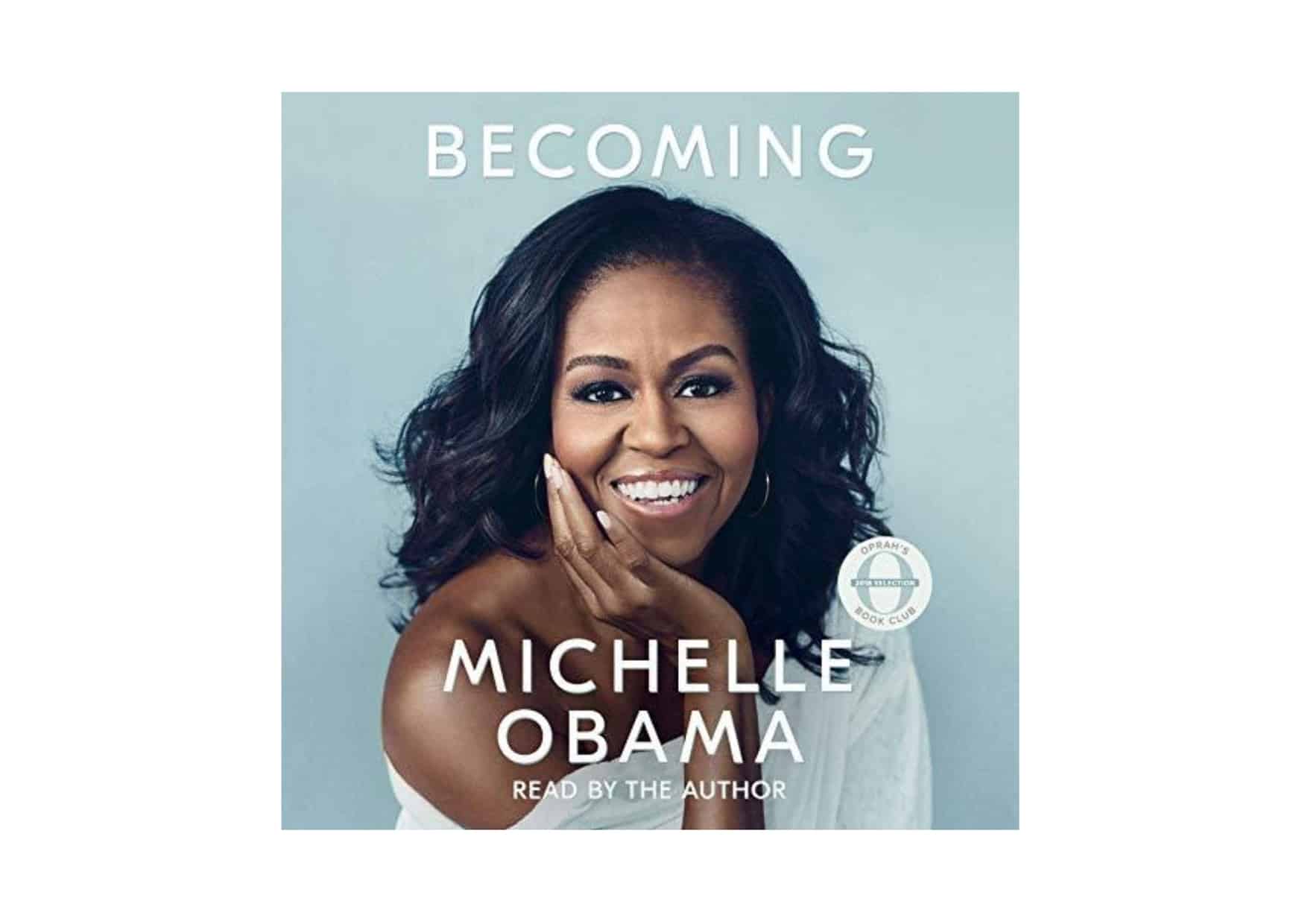 Written by the former First Lady of the 34th US President, Michelle Obama’s book is one of the many powerful audio autobiographical books you can get this year. In short, it’s a powerful and inspiring memoir from her that explains in vivid detail the events that helped shape who she is today. Get this audiobook!
 Another self-hypnotism book to consider, this one drives home three main points:
 One of the biggest problems in life is that it’s relatively short. While we have made leaps and bounds to prolong life, the average life expectancy of someone is about 79 years old. It's still good considering how far we’ve come, but clearly, people have lived longer. In this book, the author Ilchi Lee challenges us to radically think differently about life, longevity, and other ideologies. It’s also been praised by several famous authors, some of whom I’ve mentioned in this list already. Get this audiobook!
 ‘Real Love’ provides you with a creative tool kit for mindfulness exercises and meditation techniques to help you engage in the current moment in your life. The goal is to help you have a deeper appreciation of yourself, those around you, and the events that occur in your life. The book argues that to obtain those aspects, you need to shed the layers of negative habits and obstacles and help ourselves to experience authentic love. Get this audiobook!
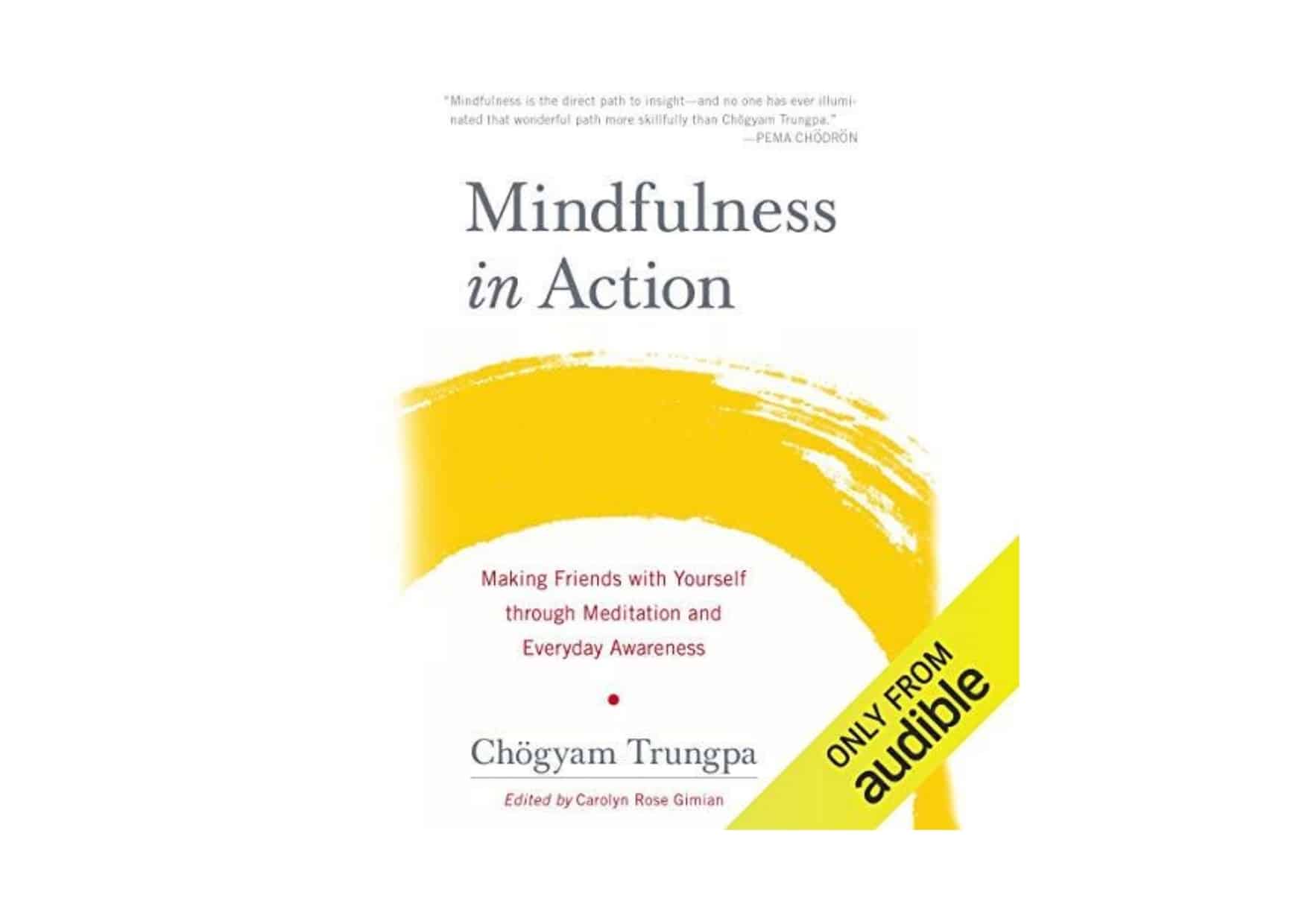 There are so many kinds of mindfulness books out there and you can see why. Time and again, the benefits of this practice have proven themselves—a better sense of well being, lower stress, and high concentration, to list a few. The purpose of this book is to help guide you through meditation on the surface level. It’s amazing for those who want to start. However, it also dives into deeper questions that many veterans of this practice have been asking themselves as well. Get this audiobook!
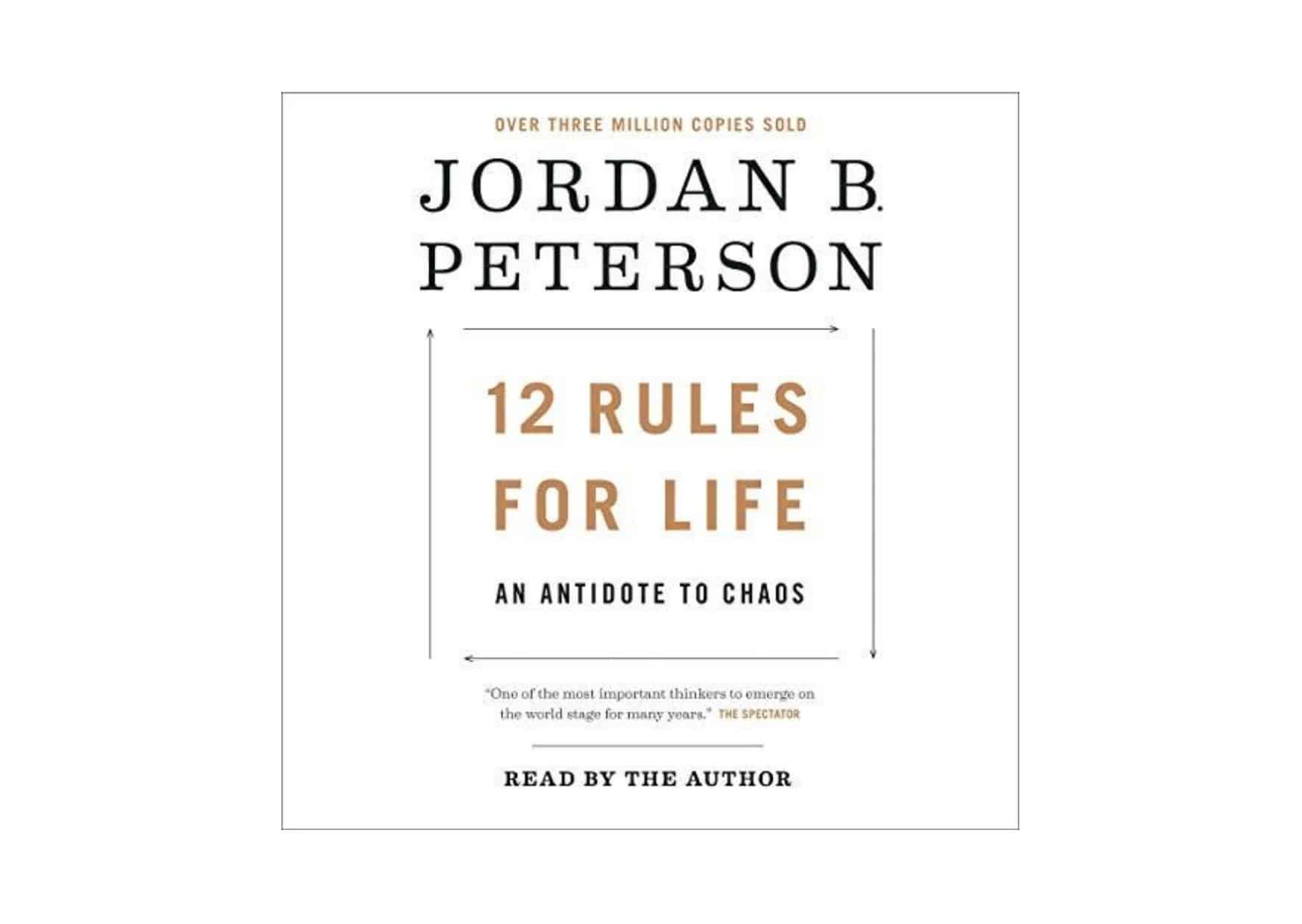 Humorous, surprising, and informative are three words that aptly describe this book. To summarize, Dr. Jordan B. Peterson explains in great detail the rules of life from easily relatable scenarios—from why we should pet the cat that’s been walking down the street to why we the skateboarding boys and girls ought to be left alone. This book brings in unusual examples to explain fundamental principles that we could all use in our lives. It is both comical and truly insightful. Get this audiobook!
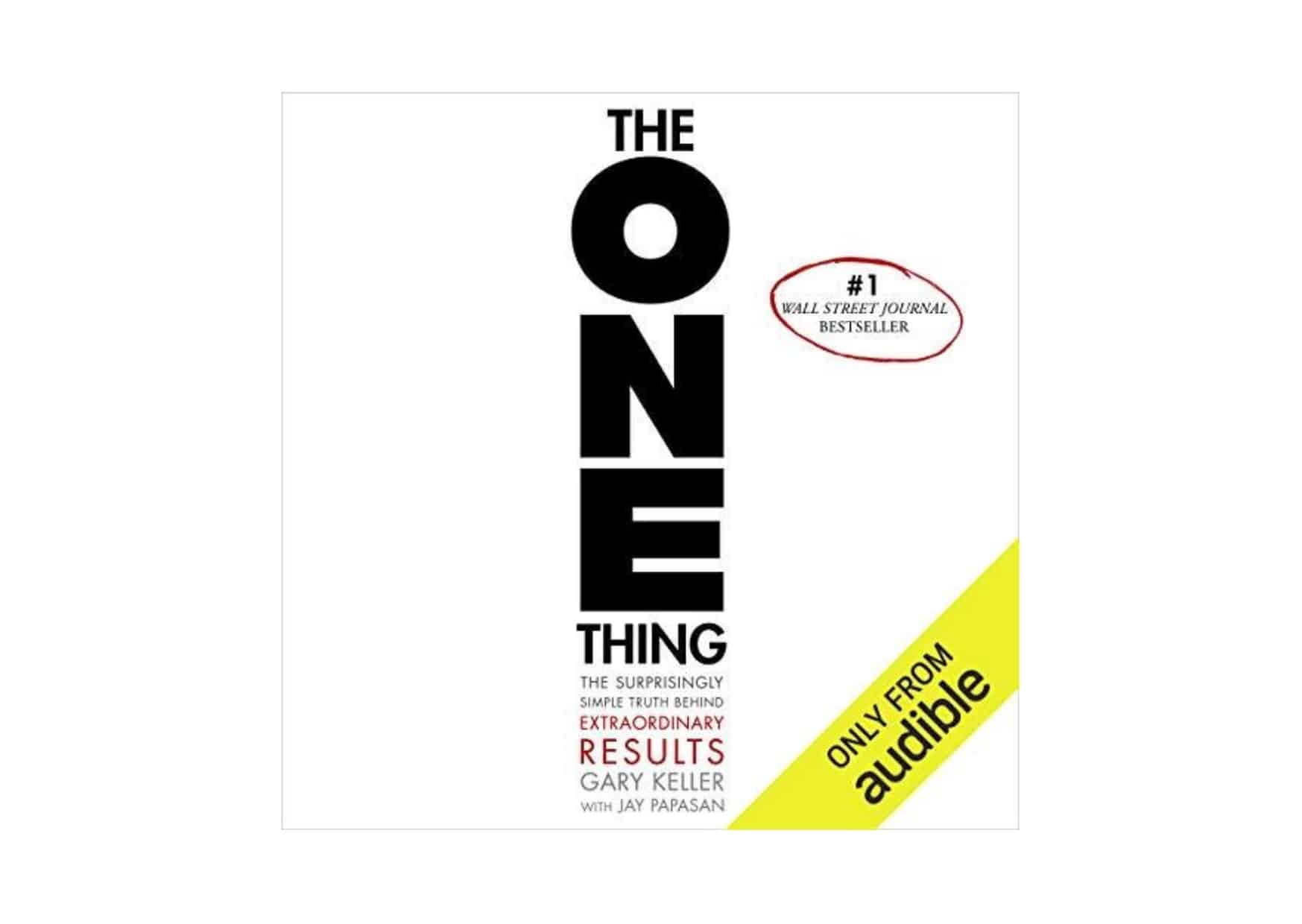 For the extremely busy folks, this book is for you. If you want less on your plate and more for your life and career, this is the book to pick up. ‘The ONE Thing’ is a book that’s written to bring your life and work into focus. It teaches you how to cut through the clutter, achieve better results in less time, master what matters most to you, and ease yourself from stress all at the same time. Get this audiobook!
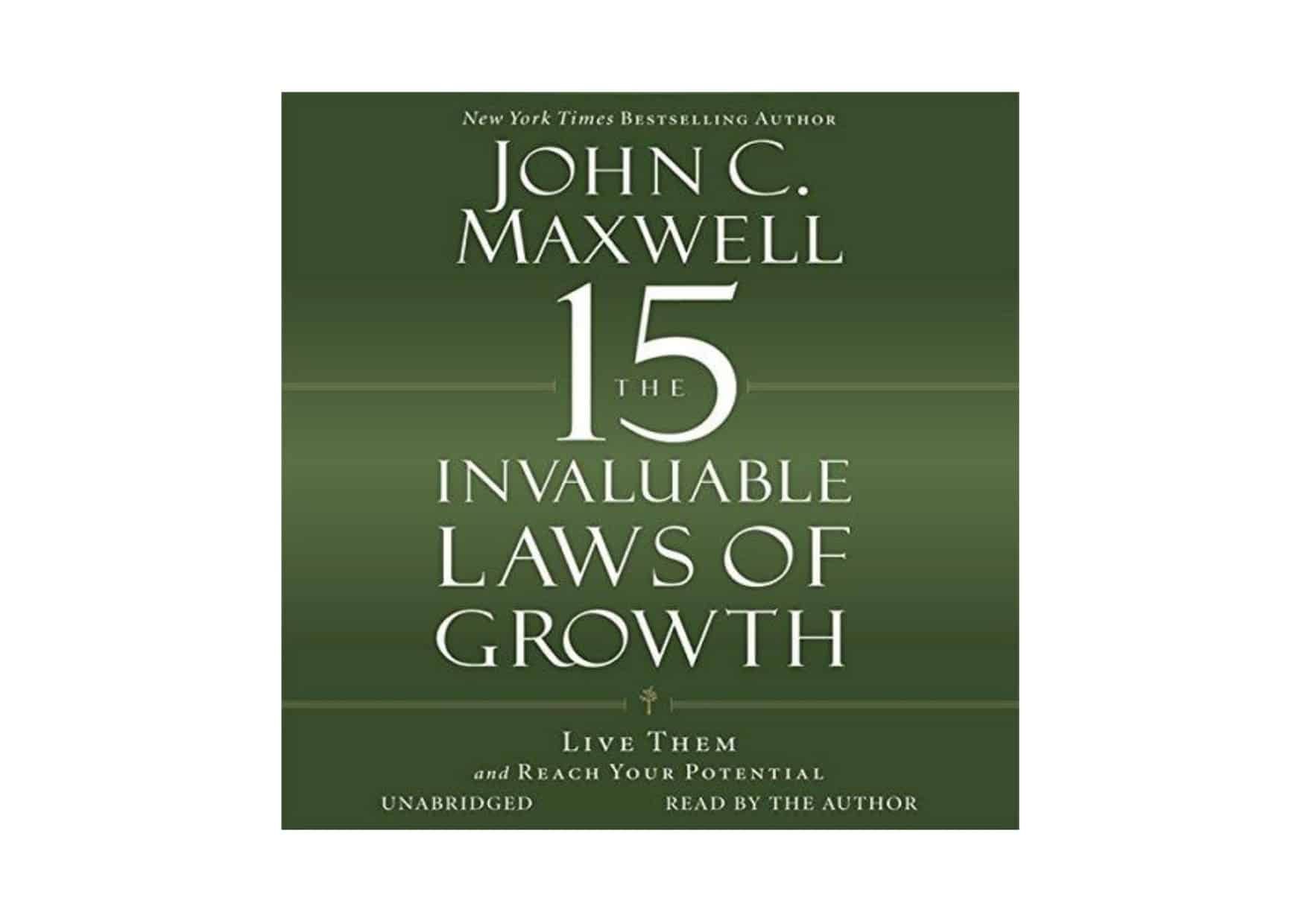 Similar to other list-based books that establish laws, this particular book focuses on the overall guiding principles of growth. According to John C. Maxwell, there is such a thing as laws of growth. For over 50 years, he’s built up his knowledge of growth and has written a book to share what those particular laws he has established are. Get this audiobook!
 Written by a university psychology professor, this is another profound book that has shaken the industry. Carol Dweck PhD. explains in detail how success in everything that we do can be dramatically enhanced by how we view our own abilities and talents. In short, the book explains the major differences between a growth mindset and a fixed mindset—a topic that I’ve talked about many times before. Get this audiobook!
 While it is a little unusual this book made it to the list, I swear it’s for a very good reason. While we think of organizing and cleaning to be a chore, there is a certain way to go about it to make your life easier. In this book, you’ll learn how the Japanese declutter and clean up their surroundings and establish a system that saves you time and energy for years to come. Get this audiobook!
 Another great book written by Malcolm Gladwell, Blink is a book that gets you to be thinking about all kinds of things. From our rapid-fire choices to even something as meta as thinking itself, this book brings people from all manners of life and how they can use unique abilities in an instant. From a psychologist who can predict if a couple is doomed or not to a tennis coach who can tell whether a player will double-fault before the racket hits the ball, this book will challenge a lot of aspects of people and our thought process. Get this audiobook!
 Written by Nobel laureate Daniel Kahneman, this book is based on his seminars revolving around behavioral psychology, behavioral economics, and happiness studies. This book provides a convenient summary of all of these aspects in his first-ever public book. This is a big deal as the discoveries that Kahneman uncovered revolutionized the cognitive psychology world and sprung several industries from these concepts. Get this audiobook!
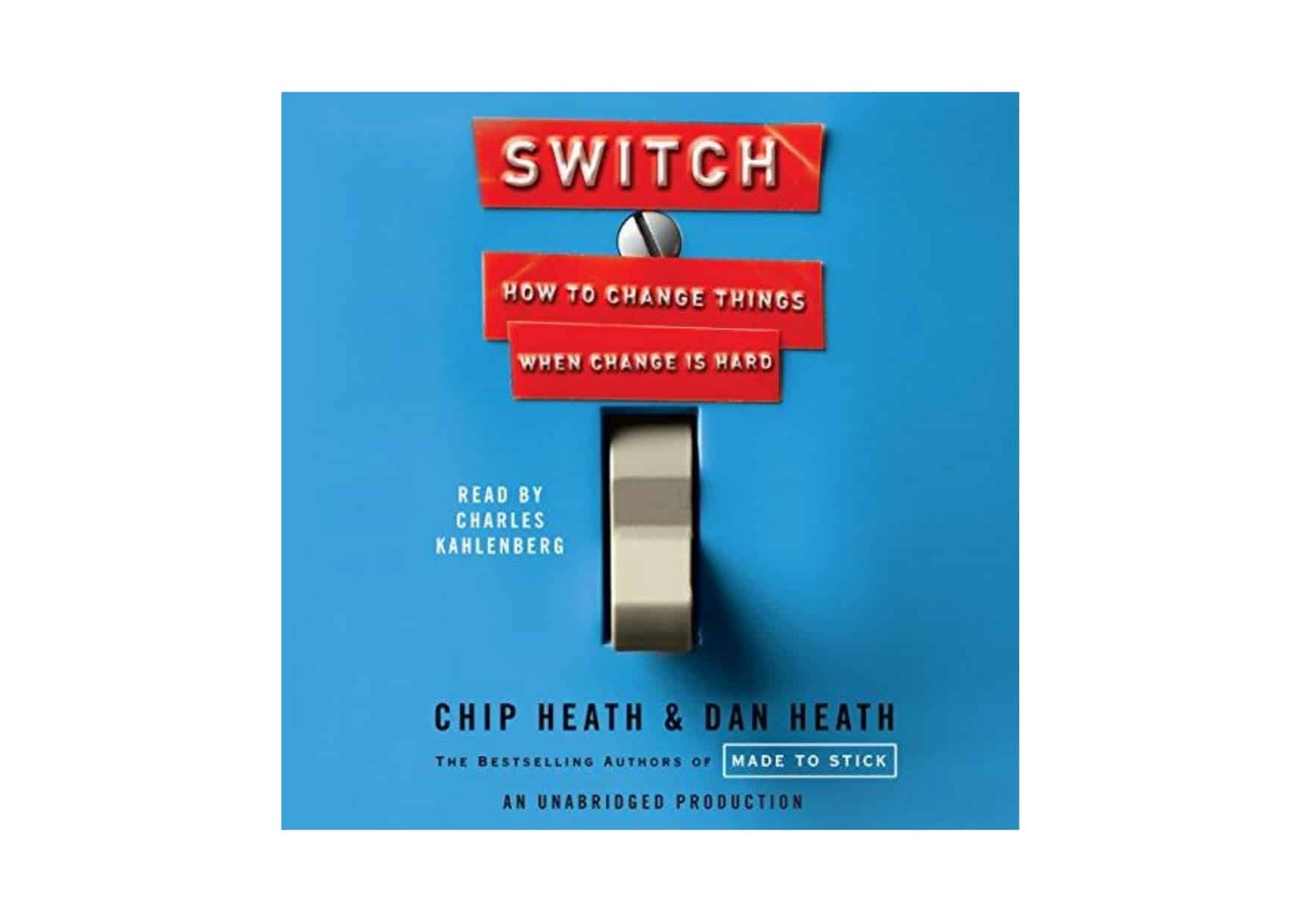 The last of our long list of audiobooks is Switch. This book talks about the struggles to make long-lasting changes in various environments. From companies and communities to our very own lives, 'Switch’ provides some insight into what are the leading causes and help us to “make the switch”. The solutions presented are based on something that psychologists have uncovered. It presents two types of mindsets: the rational mind and the emotional mind. The premise of the book establishes these things and how we can use them to our advantage. Get this audiobook!


