Tuesday, 26 May 2020

20 Best Audible Books for Instant Motivation Boost

Audible books have been around for a while now, and they've been increasingly growing in popularity. It’s a product I’ve used for a long time and something I would recommend to anyone who loves reading or listening to audiobooks. Amazon has a massive selection of the best Audible books on the market. From mystery to thriller, they truly have something that can cater to the interests of anyone. Today we’ll be outlining the best audible books on Amazon that can give you an instant motivation boost. So pick one of these for your next purchase and get ready to crush your goals! If you want to check some of them out, head over to Audible.com.

1. Crush It! by Gary Vaynerchuk
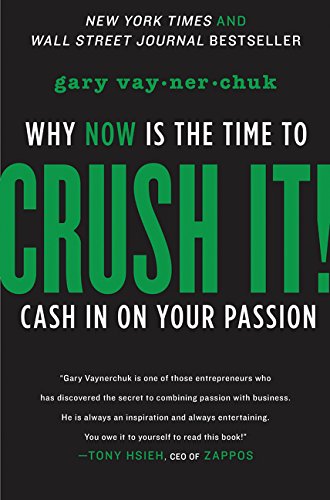
Crush It! provides just as much great life advice as it does the strategy for entrepreneurial success. Gary Vaynerchuk energetically narrates his work, encouraging the listener not to seek out a career that fits their passions, but to find a way to turn their passions into a career. This is how you identify the line of work you have enough drive to pursue aggressively to achieve success. Hearing the author tell his own success story—ups and downs included—is as inspiring as it is helpful, and his passion for his project is the perfect companion to yours. This is one of the best Audible books for aspiring entrepreneurs. Get the book here!

2. Getting Things Done by David Allen
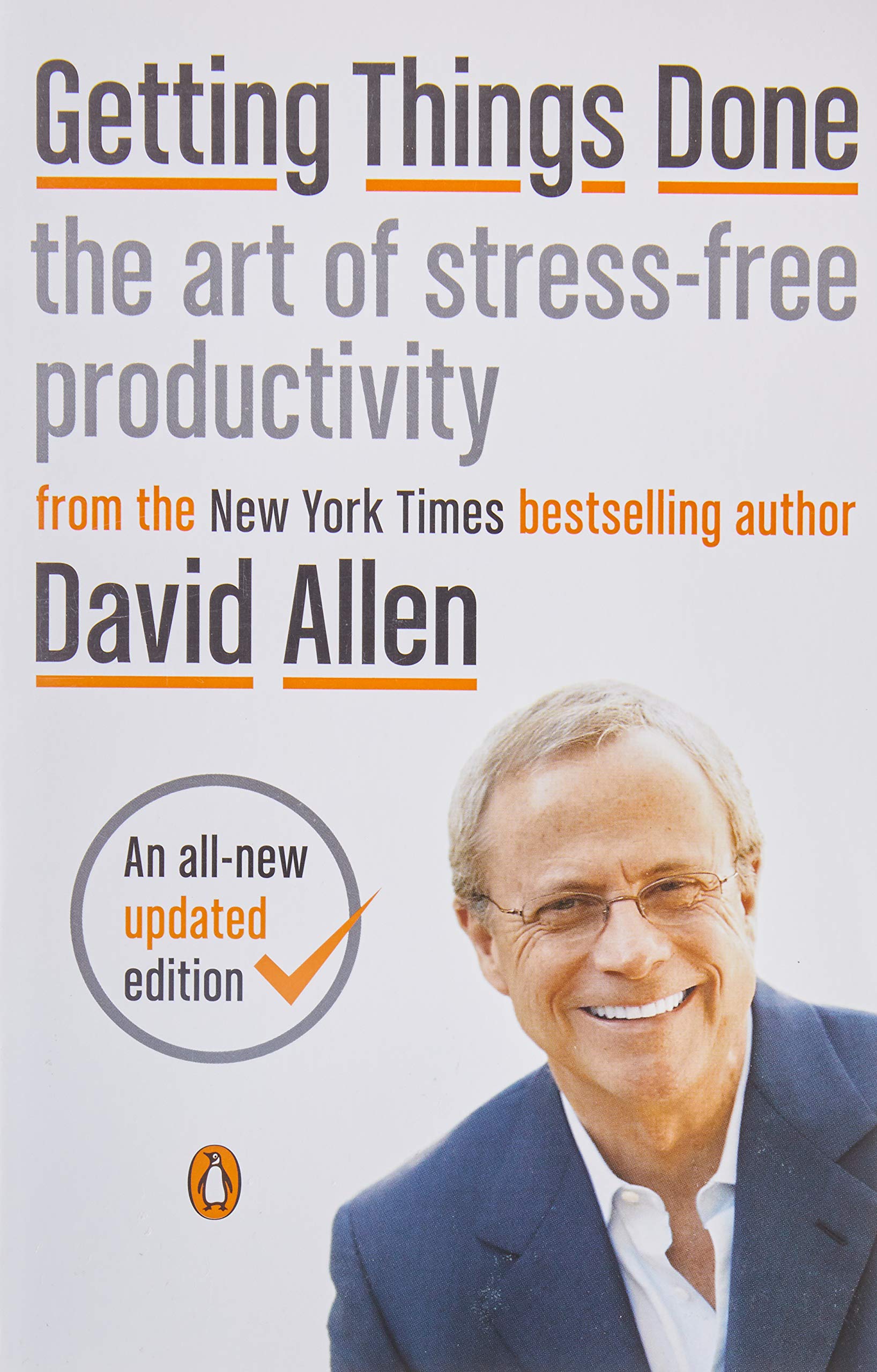
Getting Things Done has expanded Allen's already foolproof method to account for more modern challenges that the era of technology presents. Allen claims that productivity is simply about properly organizing your to-dos so you don’t overwhelm your brain. Once you’ve done that, it’s possible to reach the ever-elusive inbox zero—both in your literal email server and the rest of your life. Listening to Allen’s anecdotes about how he developed his method is truly worth your while. Get the book here! 

3. The Secret by Rhonda Byrne

The Secret is a classic in the motivation category and has been recommended by some of the most impressive celebrity tastemakers in the world (like Oprah!). Byrne performs her text, which focuses on our internal power to manifest change with mindfulness and intentionality, making for the perfect guide on the journey to self-empowerment. Throughout the novel, she includes many examples, research, and testimonials to support the legitimacy of the Law of Attraction. One of the best books on Audible, period. Get the book here!

4. The Obstacle Is the Way by Ryan Holiday
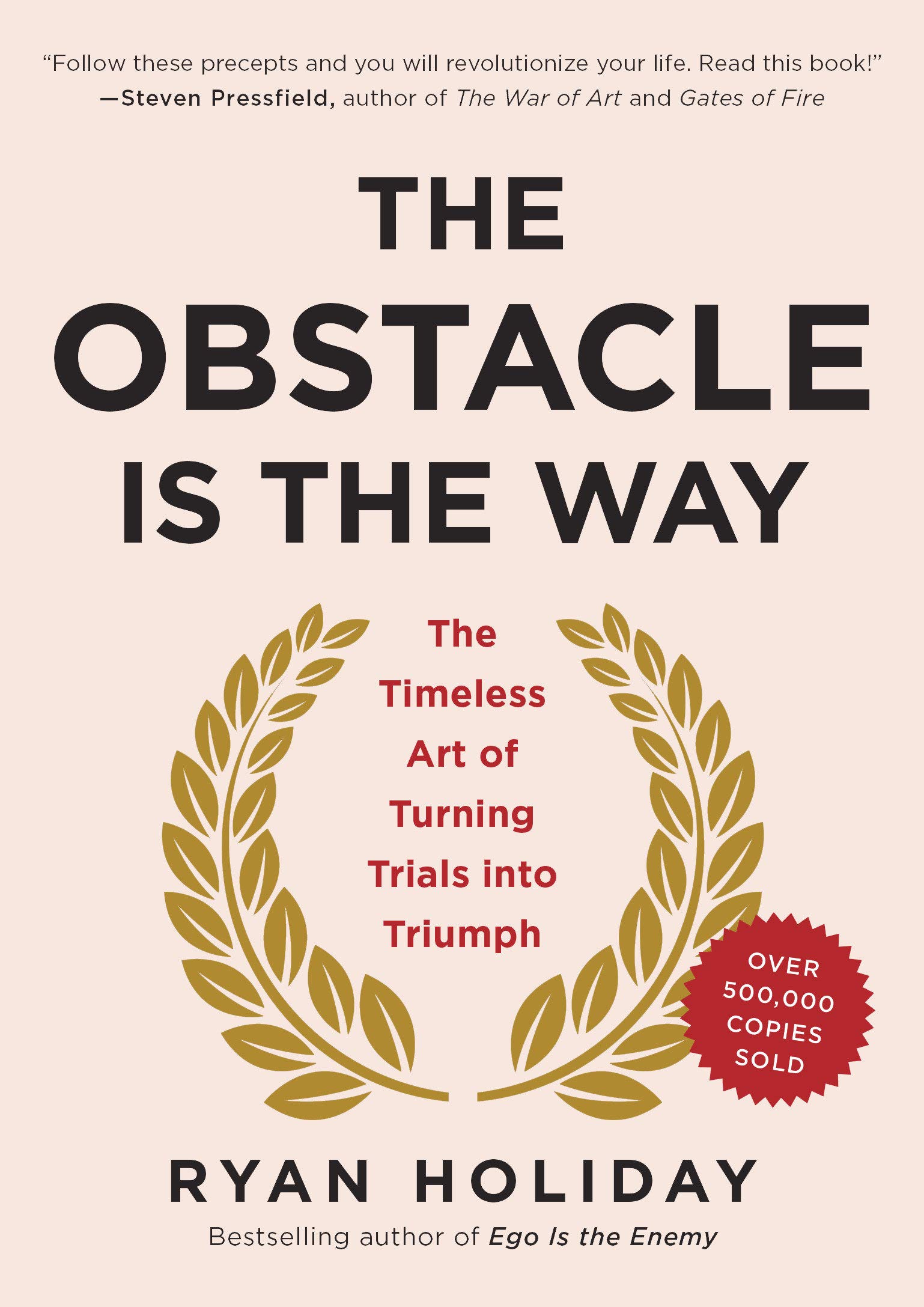
In The Obstacle Is the Way, Holiday claims that successful figures throughout history were not successful despite their obstacles, but rather because they engaged with those obstacles and impossibilities in a specific way. The principles and stories Holiday lays out in support of these claims are truly fascinating. Through exploring an ancient formula for success, you will no doubt be rethinking the way you approach every roadblock along your journey. Get the book here! 

5. You Are a Badass by Jen Sincero

In this audiobook, Sincero convinces you how awesome you already are. Sincero approaches New Age wellness topics with frankness and open-heartedness to help the listener cut through the haze that prevents you from being your best self. This audiobook is centered on attitude and confidence. Listening to her advice is a lot like having a heart-to-heart with the most honest and hilarious friend in your life. If you need a little bit of tough love and some good laughs, this will be one of the best Audible books for you. Get the book here!

6. Living with a SEAL by Jesse Itzler

You might think having a Navy SEAL as your roommate would bring about an attitude of stoicism—but instead, it caused a boatload of unexpected shenanigans. From Navy Seal David Goggins’s scheduling a snowy run in the middle of the night to a series of unfortunate walk-ins, Itzler narrates his housemate’s antics in a way that brings some much-needed humor to the motivational genre. This audiobook provides a healthy dose of serious motivation. In the end, what you get is a much-needed attitude adjustment: what we think we’re capable of is nowhere near our full potential. Get the book here! 

7. The Life-Changing Magic of Tidying Up by Marie Kondo
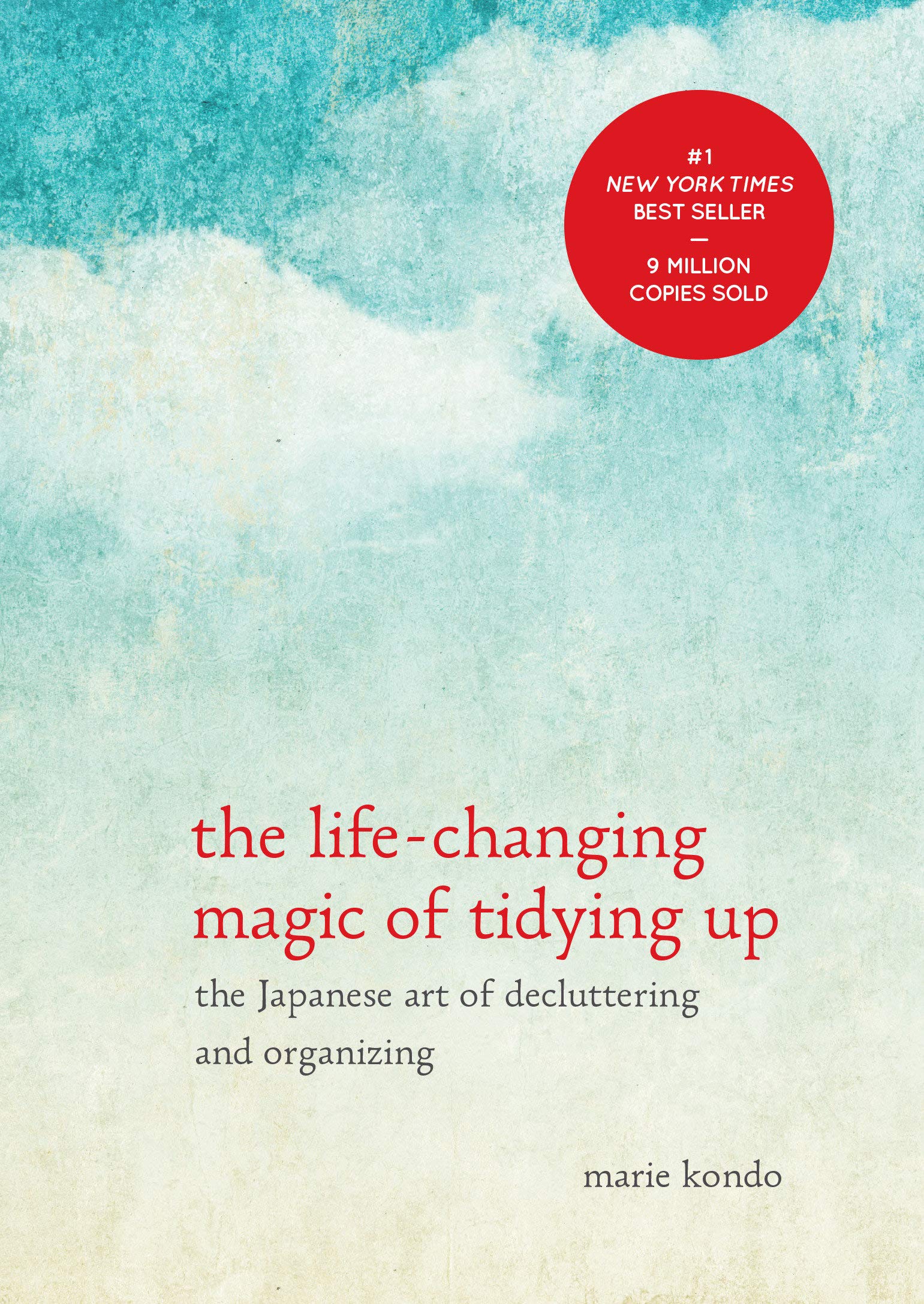
You’re probably familiar with Marie Kondo by now, as well as her passion for turning messes into opportunities for growth and reflection. In The Life-Changing Magic of Tidying Up, Kondo’s trademark zeal for taming one’s space is exactly what listeners can expect to hear. Though much of Kondo’s advice is practical, Emily Woo Zeller’s excellent performance helps the author’s words about treating your space, your items, and yourself with dignity feel both informational and inspirational. Get the book here! 

8. Drive by Daniel H. Pink
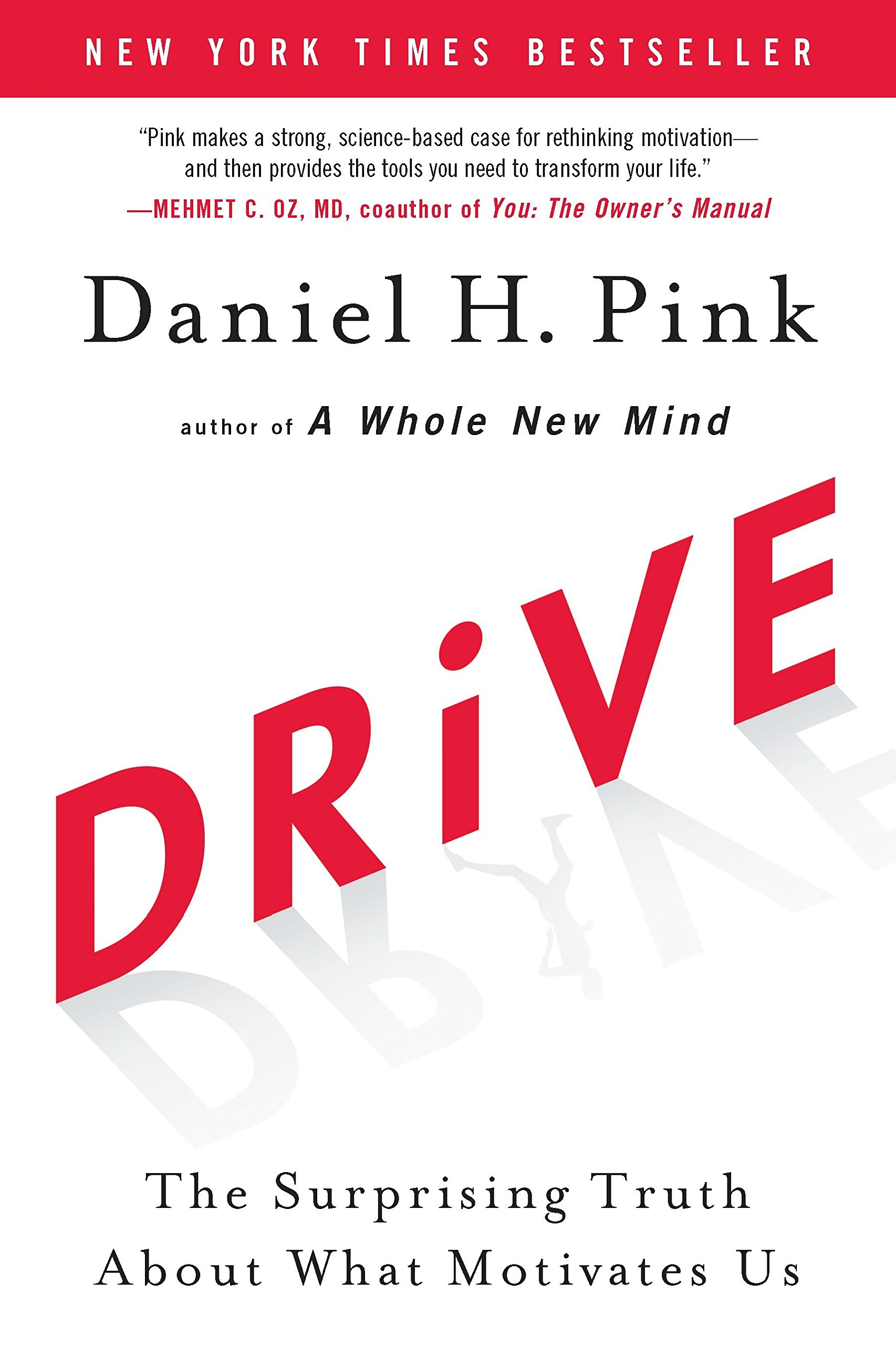
Pink opts for a scientific focus towards changing our minds and behaviors in his audiobook. Decades of work come together and provides a deep dive into the science of what motivates human beings. This listen is short and consumable, something topical and easy to listen to on the job or on your commute that will offer insight into the motivational framework in many parts of your life, both professional and personal. Get the book here! 

9. Super Attractor by Gabrielle Bernstein

Bernstein dives deep into the spirituality of her teachings on the law of attraction. Super Attractor is an Audible Editors Pick and an engaging, motivating look at how being in alignment with higher forces at work in our lives can bring us the things we’ve always wanted. Bernstein provides listeners with personal anecdotes about her manifestation practices, practical mental exercises for encouraging mental alignment, and advice for being realistic with yourself while also radically ambitious about what good things you can attract. So do yourself a favor and pick this book up. Get the book here! 

10. The 10X Rule by Grant Cardone
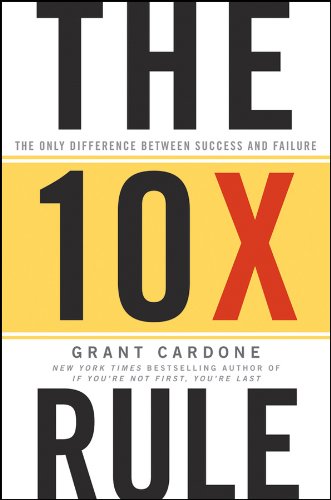
The 10x Rule forces you to take a good hard look at your limits and whether you’re pushing yourself to achieve all that’s possible in life. This audiobook packs a motivational punch and refuses to beat around the bush. You’ll learn how to wake up and do the work necessary to get what you want. Cardone lays out his 31 tenets of success, most of which hinge on the notion that being successful takes high rates of activity (10x our normal rate, to be specific). Pushing ourselves into overdrive, Cardone says, gives you the ability to reach for bigger and better in all areas of your life. So, if you’re looking to achieve more in your life, this will be one of the best Audible books for you. Get the book here!

11. The Subtle Art of Not Giving a F*ck by Mark Manson

Positivity can only take you so far. At some point, we all experience circumstances or emotions that require more than just an upbeat attitude to deal with. In The Subtle Art of Not Giving a F*ck, Mark Manson speaks directly and honestly to listeners about how to deal with the f*cked up world around them without losing their motivation to do great things. Manson is not your everyday motivational guru. This audiobook presents a no-nonsense guide for muscling through the tougher parts of life. This is an excellent choice for anyone, but an especially great choice for self-help skeptics who may otherwise reject the optimistic “woo-woo” approach regularly adopted by motivators. Get the book here! 

12. The Antidote by Oliver Burkeman
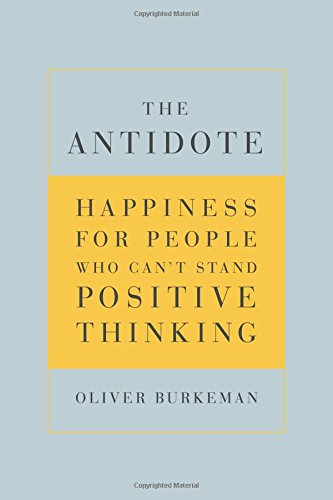
Oliver Burkeman writes for exactly the type of listener who needs motivation but doesn't have the desire to digest it in its characteristically optimistic format. He delivers his thesis that positivity doesn’t always work; therefore, sometimes only the negative path can help us. Burkeman tells us, in his own words and voice, that it’s okay (and even powerful) to embrace every inescapable, ugly fact in our lives and that it can even be an incredibly powerful experience. This is unlike that of any other audiobook in the genre. The Antidote encourages the listener to move radically toward truth, no matter how painful, making it a standout among its peers. Get the book here! 

13. The Happiness Hypothesis by Jonathan Haidt

This ambitious audiobook sees best-selling author Jonathan Haidt’s study individual ideas that have endured through centuries and permeated different cultures, examining the source of their staying power. Listeners are encouraged to find comfort in how blockers to happiness, though they may feel unique, have been universally felt by millions across times and cultures. With Haidt’s diligent, thoughtful examination brought to life by the skillful narration of Ryan Vincent Anderson, the listening experience is simultaneously like an enthralling lecture series and an excavation of the wisdom of past ages. Get the book here! 

14. How Successful People Think by John C. Maxwell
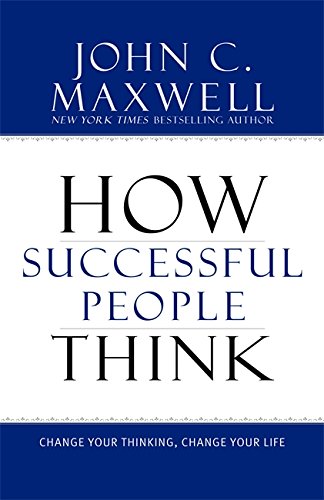
Sometimes, looking to others as role models is the best way to learn and implement effective practices in our own lives. This is exactly what Maxwell does as he provides 11 different models in How Successful People Think. Maxwell lays out each type with specific details and practical applications that make his advice easy to tangibly apply to our lives. This selection is an almost effortless listen—it’s digestible, straightforward, well-structured, and actionable, making it easy to follow along. Narration by award-winning audiobook veteran Chris Sorenson only furthers the directness of the core message, ensuring that you’ll be thinking more effectively and holistically than ever. If you are looking to learn how to think like the experts in your field, this is one of the best Audible books that you could pick up. Get the book here! 

15. The Magic of Thinking Big by David Schwartz

Millions of people have engaged with Schwartz’s classic (originally published in 1959), and millions have come away inspired and changed. Today, the wisdom within is just as resonant—and actor Jason Culp’s narration ensures every word has an impact. Schwartz’s message is simple: to get the big results we all dream about, we have to think big first. Once we start thinking big, we can act big and then, finally, achieve big. The best part of this audiobook is how easy the advice is to follow and implement—after each chapter, Schwartz recaps the most important points and practical takeaways so the message never fails to stick. I feel confident when I say this book can change your life. Get the book here! 

16. How to Own Your Own Mind by Napoleon Hill
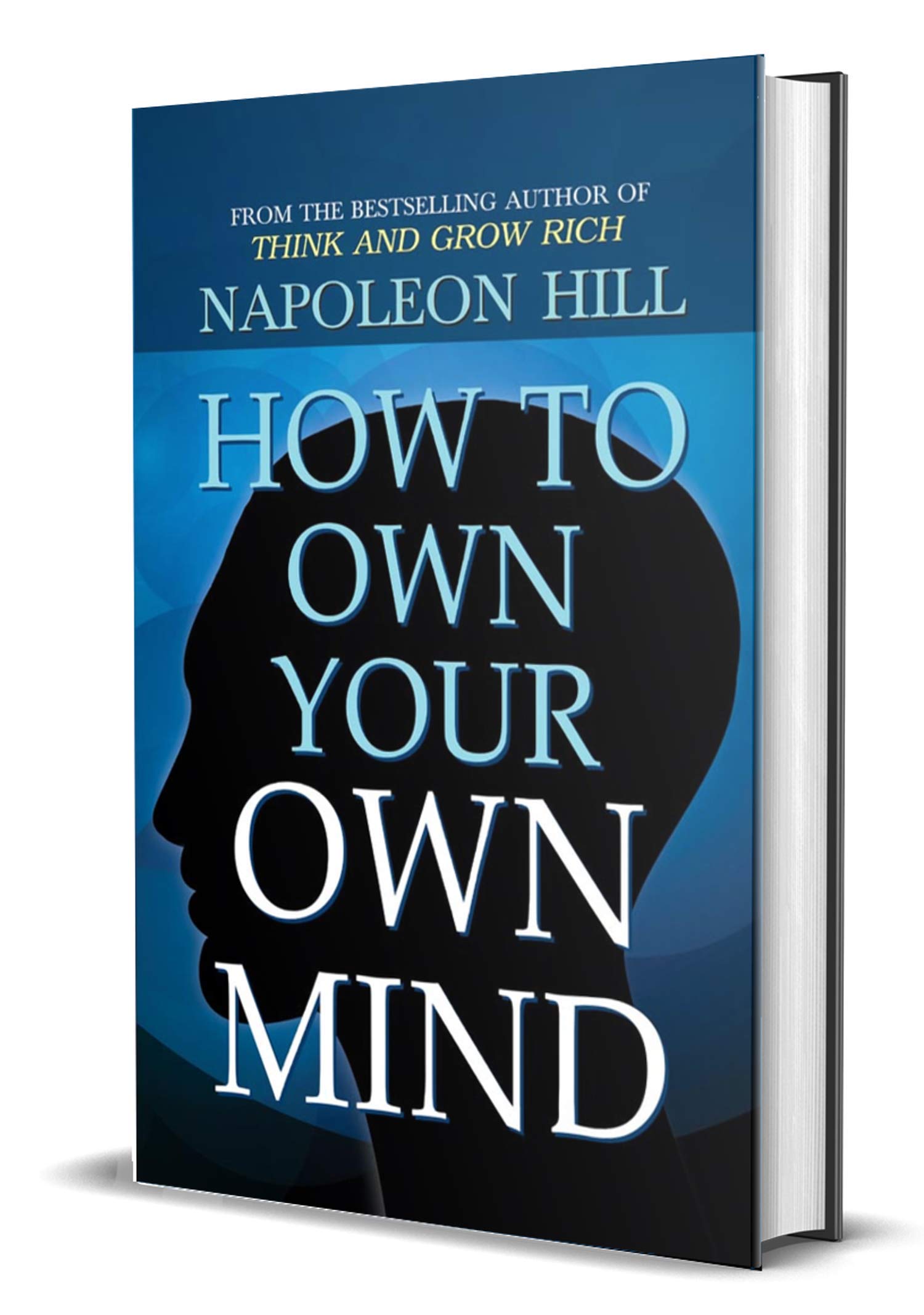
How to Own Your Own Mind is a unique opportunity to hear motivational advice from one of the most revered and successful people in history: Andrew Carnegie. Napoleon Hill’s original interview provides the structure for each of the three (yes, only three) chapters of this audiobook in which Hill explores the most important steps to having a mind that works with your ambitions instead of against them. Get the book here! 

17. See You at the Top (25th Anniversary) by Zig Ziglar

Zig Ziglar continually motivates many people around the world. The 25th anniversary edition of his smash-hit motivational program is a great place to either listen to his teachings for the first time or to re-experience his inspiring methods for a self-development top-up. The lessons are comprehensive, insightful, and incredibly applicable to everyday life. Ziglar’s energy is unmatched and undeniable, so listening to the live recording of the seminar where he presents his program provides an unforgettable experience. It’s one of the best Audible books for those looking for motivation boosts. Get the book here! 

18. Poke the Box by Seth Godin
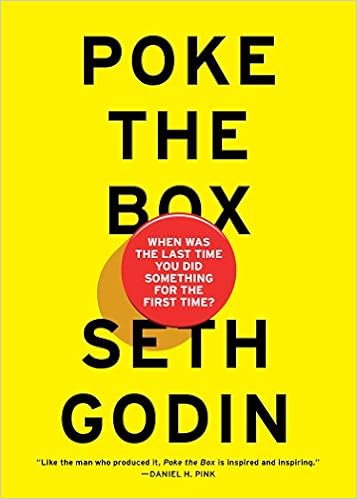
Seth Godin thinks that achieving success in the world should never become our main focus; it should be the last thing we do. Instead, his focus is on breaking the mold and forging our path—creating a new reality for ourselves instead of just trying to find our place in the reality that was forced on us. Poke the Box is the culmination of Godin’s ideas about counter-cultural thinking and change. Assembled here, they form a cohesive guide to using subversion of the norm to accomplish one’s goals. This audiobook can break open old thought patterns in a short amount of time. Get the book here! 

19. Eat That Frog! by Brian Tracy
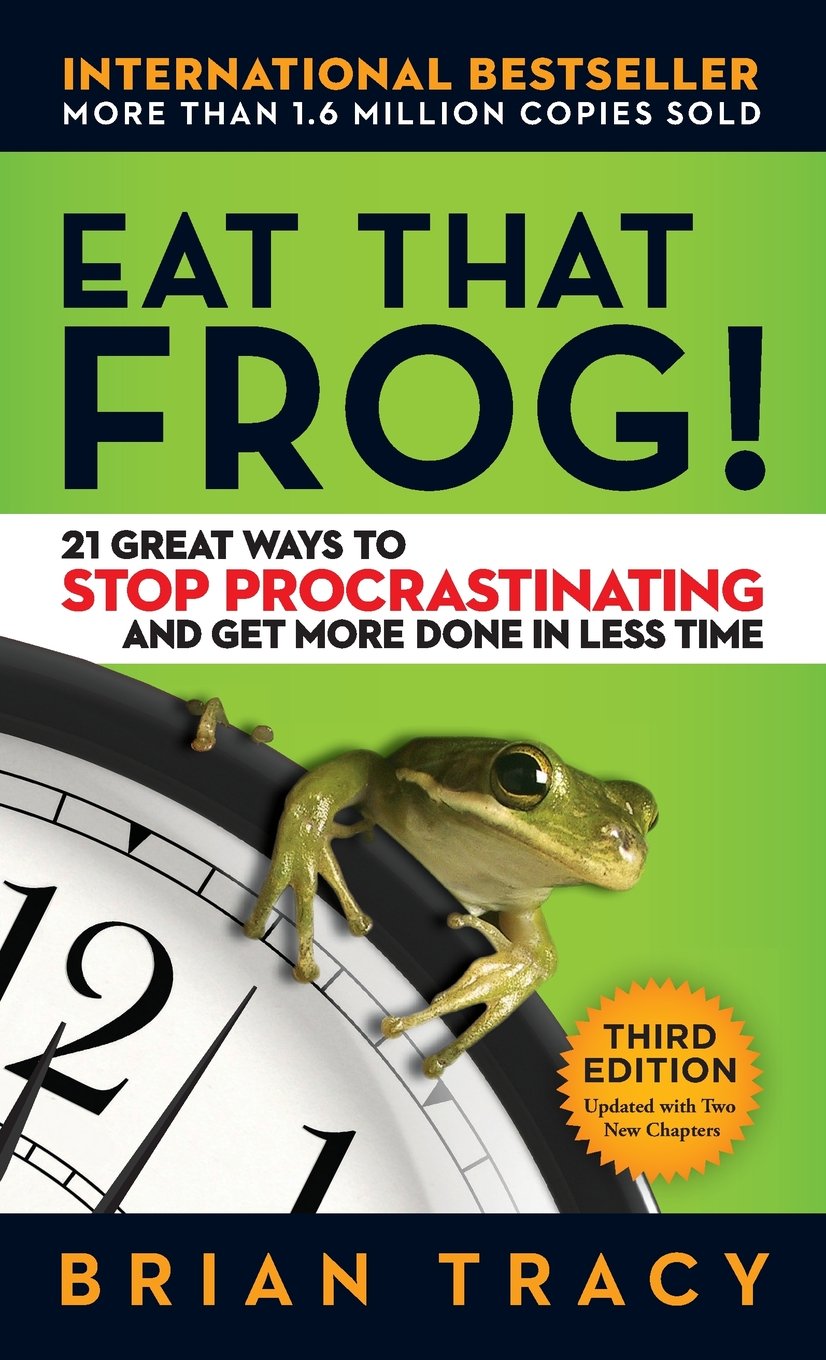
If everything we wanted to do matched what we needed to do, imagine how easy it would be to stay motivated. Unfortunately, that’s not the case—which is something author-narrator Brian Tracy knows all too well. Eat That Frog! is his advice for maximizing our task-doing impact on those items you put off, making you not only happier when they’re complete, but making you much more efficient as well. This audiobook is the perfect choice for any listener looking to beat the endless cycle of procrastination, boost productivity, and adopt a better system of time management. Get the book here! 

20. Change Your Thoughts, Change Your Life by Wayne Dyer

Not all motivational wisdom that applies to modern life is from the modern era. Dr. Wayne Dyer takes the wisdom of the Tao Te Ching—Ancient Chinese verses—and applies them to 21st-century circumstances. Dyer includes all 81 verses of the Tao, as well as 81 essays in which he interprets the lessons each verse contains and makes the ideas accessible for the modern listener. If you love ancient wisdom, chances are you’ll love this Audible book as well. Get the book here! 

More Books to Get You Motivated


How to Use the Prioritization Matrix When Every Task is #1

It takes being productive to get things done correctly and on time. So how do you know which tasks are essential and which can wait? The answer is in the Eisenhower Matrix. The matrix took its name after Dwight David Eisenhower. Eisenhower was a general in the US army and the 34th President of the United States from 1953 to 1961. As a five-star general and a Supreme Commander in the US Army, he drafted the strategy for an Allied invasion of Europe.((History: Dwight D. Eisenhower)) Eisenhower had to make tough decisions every time about which tasks to prioritize out of many he needed to focus on daily. So, he came up with the famous Eisenhower Matrix, or the Prioritization Matrix.

What is the Eisenhower Matrix?

The Eisenhower Matrix is a technique of rating your tasks based on urgency. It helps you know the critical activities and those tasks that you should bypass. Eisenhower famously said of the Matrix:
"Most tasks that are urgent are not important, and most tasks that are important are not urgent."
This quote became the maxim for Eisenhower in managing his time. Now let's get down to the details of the Matrix. There are four quadrants, which include the tasks you need to do at every point in time. The quadrants are:
  • Do
  • Decide
  • Delegate
  • Eliminate

Do

Do is the first quadrant in the Prioritization Matrix, and it incorporates important activities. That is, those tasks you need to carry out urgently — crises, deadlines, and issues that need your urgent attention and are highly relevant to your life mission. So how do you know which task falls into this quadrant? It's simple! Start by analyzing your priorities, and then establish if it falls within the 'do it now' criteria. If the task is achievable within a day, or within 24 to 48 hours, it's urgent. Another approach you can adopt in prioritizing tasks in this category is to adopt the "eat the frog" principle by Mark Twain. This principle recommends that you do the most urgent activities as soon as you wake up. Here's a practical example. Let's say you need to draft a content strategy and submit a report to your manager. It's Saturday, and the deadline for submission is Monday. Can we say the activity is urgent? Definitely!

Decide

The second quadrant of the prioritization matrix is Decide. The Eisenhower Matrix classifies tasks in this category as important but not that urgent. They are long-term objectives and tasks with no immediate deadline. Those tasks could include meditation, journaling, studying, family time, and exercising. You can plan out activities in this quadrant for some other period. For instance, you should exercise for good health, but you can allocate time to do it. Schedule these activities in such a way that they don't transfer to the "Do" or "Urgent" quadrant. Ensure you have sufficient time and dedicate that time to carry them out.

Delegate

The third quadrant of the prioritization matrix is Delegate. These tasks are not important to you but quite urgent for others. This is where teamwork comes into play. You can technically perform tasks in this category, but it makes sense to delegate them. Delegating tasks will ensure you have more time to pursue activities in your first two quadrants. You should also monitor the tasks you have delegated. You can use email, Skype, or telephone to get feedback. It will only amount to a sheer waste of time if you don't have a tracking system for delegated tasks.

Delete

The last quadrant highlights your productivity killers. They are tasks that are not important to your goals. The only way to boost your productivity is to delete them. Some examples are constantly checking your phone, watching movies, or playing video games. They could also be bad habits that you need to identify and delete from your daily and weekly schedule. Successful people have learned how to prioritize and stick to what's important. They have learned to find a better person for a task or eliminate less significant tasks. Let's consider two inspiring personalities that have designed their prioritization system. Warren Buffet developed a two-list prioritization model to determine which task deserves his best attention. The bottom line is bypassing things that are important and useful but not top of the priorities. Mark Ford, a business advisor, marketer, self-made millionaire, and author devised his strategy:
"Start work on the most crucial priority, take a break, work on the second most important task, take a break, then sort out the less important activities and any tasks he received from other individuals by afternoon." ((MarkFord: Your Ultimate Productivity Guide for the New Year))
Mark's strategy may sound reasonable and easy, but some individuals have also devised their prioritization strategy, just like Mark and Warren. The lesson is simple! Prioritize, focus, repeat.

How to Use The Prioritization Matrix When Every Task Is #1

Using the Prioritization Matrix can be tricky if you're new at it, but by following a few simple steps, you can learn to utilize it in the best way possible.

1. List and Rank Your Priorities

Highlight all the tasks you need to carry out in a day. Don't mind the order or number. Then, classify them based on urgency and importance. Identify any activity that requires prompt action. I'm referring to a task that if you don't complete that day, it could produce a grave consequence. For instance, if you don't submit your content strategy, other content writers cannot work. It means you need to check for high-priority dependencies.

2. Define the Value

The next step is to examine the importance and assess which of them impacts your business or organization the most. As a rule of thumb, you can check which tasks possess higher priority over others. For instance, you need to attend to client's requirements before you take care of any internal work. You can also estimate value by examining how the task impacts the people and customers in the organization. In a nutshell, the more impact a task has on people or the organization, the higher the priority.

3. Take out the Most Challenging Task

Procrastination is not a symptom of laziness, but avoidance is. The truth is that you will typically avoid tasks you don't want to do. The former CEO of Goldman Sachs, Lloyd Blankfein, once said he would take out the most dreaded task first thing when he got to the office. It's simple! Take out any task that you dread first! Brian Tracy called these tasks the frogs you need to eat. That will remove the nagging dread, which mounts pressure on you when you postpone necessary tasks.((Entrepreneur.com: First Things First: The 5 Secrets to Prioritization))

4. Know What's Important to You

As long as you are in this cosmos, you will always encounter different choices that may be contradictory to your goals. For instance, a fantastic promotion that requires excessive travel will isolate you from important relationships. If you are not priority-conscious, you may accept it, even though your family is your priority. Thereofre, it makes sense to identify what is important to you and to prepare yourself not to compromise those important things for immediate pleasure or gain. Yogi Berra captioned it this way:
"If you do not know your destination, you might end up somewhere else."

5. Establish Regular "No Work" Time

YouTube CEO Susan Wojcicki established a rule not to check her emails between 6 p.m and 9 p.m. According to a CNN Business report, she was the first woman to request maternity leave when Google just got started. She prioritizes dinner time with her family despite being the CEO of YouTube((CNNBusiness: Why YouTube's chief wants parents to take more time off)). Is it possible to cut out time for our relationships and interests outside of work? Of course! That's why you need to set out your "no work" time. This approach will enable you to renew your energy levels for the next task. Also, you will be in the best position to introspect as you are not in your usual work zone.

6. Know When to Stop

You can achieve everything on your list sometimes. After you have prioritized your workload and assessed your estimates, remove the remaining tasks from your priority list and focus on your most urgent and important tasks.

Conclusion

It's not enough to be successful at work. Ensure you make out time for your family and an important relationship in your life. Getting started and finding time may be tricky, but with some practice using the Prioritization Matrix, you'll find that you are more productive and better able to divide your time between the things that are important to you.

More Tips on Prioritizing


7 Most Effective Problem Solving Techniques That Smart People Use

Problems are, by their very nature, problematic. There are life problems, work problems, creative problems, and relationship problems. When we’re lucky, intuition takes over, and we solve a problem right away. When we’re not so lucky, we get stuck. We might spend weeks or even months obsessing over how to write that term paper, get out of debt, or win back the love of our life. But instead of obsessing, let’s look at some effective problem solving techniques that people in the know rely on.

Ideation Vs Evaluation

It’s important to first understand and separate two stages of creativity before we look at effective problem solving techniques. Ideation is like brainstorming. It’s the stage of creativity where we’re looking for as many possible solutions as we can think of. There’s no judgment or evaluation of ideas at this stage. More is more. After we’ve come up with as many solutions as possible, only then can we move onto the evaluation stage. This is when we analyze each possible solution and think about what works and what doesn't. Here’s when all those good ideas from ideation rise to the top and the outlandish and impractical ones are abandoned.

7 Problem Solving Techniques That Work

Everyone has different ways of solving problems. Some are more creative, some are more organized. Some prefer to work on problems alone, others with a group. Check out the problem solving techniques below and find one that works for you.

1. Lean on Your Squad

The first of our seven problem solving techniques is to surround yourself with people you trust. Sometimes problems can be solved alone, but other times, you need some help. There’s a concept called emergence that begins to explain why groups may be better for certain kinds of problem solving. Steven Johnson describes emergence as bottom up system organization.((Steven Johnson: Emergence)) My favorite example is an ant colony. Ants don’t have a president or boss telling them what to do. Instead, the complicated organization of the ant colony comes out of each individual ant just fulfilling their biological destiny. Group creativity can also take on an emergent quality. When individuals really listen to, support, and add onto each other’s ideas, the sum of that group creativity can be much more than what any individual could have created on their own. Therefore, if you are struggling to solve a problem, you may want to find a group of people with whom you can collaborate, so you can start riffing with them about possible solutions.

2. Regulate Your Emotions

The next of the problem solving techniques is to be honest about how you’re feeling. We can’t solve problems as efficiently when we’re stressed out or upset, so starting with some emotional self-awareness goes a long way in helping us problem solve. Dr. Daniel Siegel famously tells us to “Name it to tame it.” ((Dr. Dan Siegel: The whole-brain child)) He’s talking about naming our feelings, which offers us a better chance of regulating ourselves. I have to know that I’m stressed or upset if I want to calm down quickly in order to get back to a more optimal problem-solving state. After you know how you’re feeling, you can take steps to regulate that feeling. If you’re feeling stressed out or upset, you can take a walk or try breathing exercises. Mindfulness exercises can also help you regain your sense of presence.

3. Listen

One thing that good problem solvers do is listen. They collect all the information they can and process it carefully before even attempting to solve the problem. It’s tempting to jump right in and start problem solving before the scope of the problem is clear. But that’s a mistake. Smart problem solvers listen carefully in order to get as many points of view and perspectives as possible. This allows them to gain a better understanding of the problem, which gives them a huge advantage in solving that problem.

4. Don't Label Ideas as Bad…Yet

The fourth of the seven problem solving techniques is to gather as many possible solutions as you can. There are no bad ideas…yet. Think back to the two stages of creativity. When we are in the ideation stage, we shouldn’t be evaluating each other’s ideas, input, and possible solutions. When we evaluate, judge, and criticize during the ideation stage, we inadvertently hamper creativity. One possible outcome of evaluating during ideation is creative suppression.((American Psychological Association: Creative mortification)) When someone responds to someone else’s creative input with judgment or criticism, creative suppression can occur if the person who had the idea shuts down because of that judgment or criticism. Imagine you’re at a meeting brainstorming ways to boost your sales numbers. You suggest hiring a new team member, but your colleague rolls their eyes and says that can’t happen since the numbers are already down. Now, your colleague may be 100% correct. However, their comment might make you shut down for the rest of the meeting, which means your team won’t be getting any more possible solutions from you. If your colleague had waited to evaluate the merits of your idea until after the brainstorming session, your team could have come up with more possible solutions to their current problem. During the ideation stage, more is more. We want as many ideas as possible, so reserve the evaluation until there’s no more ideating left to do. Another trick for better ideating is to "Yes And" each other’s ideas((Play Your Way Sane: And What?: Yes And)) In improvisation, there’s a principle known as “Yes And.” It means that one improviser should agree with the other’s idea for the scene and then add a new detail onto that reality. For example, if someone says, “I can’t hear over your loud music,” the other person needs to go along with that idea and then add onto it. They might say, “Sorry, I’ll turn it down, but I don’t think everyone else here at the club will appreciate it.” Now the scene is getting interesting. We’re in a club, and the DJ is going to turn the music down. Playing "Yes And" with each other made the scene better by filling in details about who and where the improvisers are. Yes Anding also works well during ideation sessions. Since we’ve already established that we shouldn’t be evaluating each other’s ideas yet, Yes Anding gives us something we can do. We can see the merits of each other’s ideas and try to build on them. This will make all of our possible solutions more fully realized than a simple laundry list.

5. Approach Problems With Playfulness

Approaching problem solving too seriously can exacerbate the problem. Sometimes we get too fixated on finding solutions and lose a sense of playfulness and fun. It makes sense. When there are deadlines and people counting on us, we can try to force solutions, but stepping back and approaching problems from a more playful perspective can lead to more innovative solutions. Think about how children approach problem solving. They don’t have the wealth of wisdom that decades on this planet give. Instead, they play around and try out imaginative and sometimes unpractical approaches. That’s great for problem solving. Instead of limiting ourselves to how things have always been done, a sense of play and playfulness can lead us to truly innovative, out-of-the-box solutions.

6. Let the Unconscious Mind Roam

This may seem counterintuitive, but another technique to try when you become too fixated on a problem is to take a break to let the unconscious mind take over for a bit. Our conscious brain can only handle a limited amount of information at a time. Plus, it’s energetically exhausting to use our conscious brain for problem solving. Think about a time when you were studying for a test. It’s draining.((Daniel Kahneman: Thinking, Fast and Slow)) But we’re in luck. There’s another part of our brain that isn’t draining and can integrate tons more information at a time—our unconscious. This is why you come up with your best ideas in the shower or on your way to work or while you’re jogging. When you give your conscious brain a break, your unconscious has a chance to sift through mounds of information to arrive at solutions. It’s how I write my articles. With my conscious brain, I think about which article I’m going to write. My problem is how to write it, so once I think carefully about the topic, I take a break. Then, the structure, sources, content, and sometimes phrasing happens in fits and starts while I’m not thinking about the article at all. It happens when I’m lying in bed, showering, and walking in the woods. The key is to get in the habit of practicing this alternation between conscious and unconscious problem solving and to absolutely not force solutions. Sometimes, you just need to take a little break.

7. Be Candid

The last of the problem solving techniques happens during the evaluation stage. If we’re going to land on the best possible solution to our problems, we have to be able to openly and honestly evaluate ideas. During the evaluating stage, criticism and feedback need to be delivered honestly and respectfully. If an idea doesn’t work, that needs to be made clear. The goal is that everyone should care about and challenge each other. This creates an environment where people take risks and collaborate because they trust that everyone has their best interest in mind and isn't going to pull any punches.

Final Thoughts

In order to come up with the best solutions for problems, ideation and evaluation have to be two distinct steps in the creative process. Then, you should tap into some of the above techniques to get your ideas organized and your problems solved. Hopefully, these seven problem solving techniques will help your problems be less…problematic.

More Tips for Problem Solving


Monday, 25 May 2020

10 Ways to Find Your Focus When You’re Stressed Out

How do you focus when you’re stressed? The truth is, you don’t. You know what anxiety is like: Your mind can’t stick to any one topic for more than a few seconds. You shift restlessly, as if settling your body might also settle your thoughts. Stress short-circuits the mind in all sorts of ways. Before you can learn how to focus when stressed, you need to understand what’s going on in your brain.

Why We Lose Focus When Stressed

When you experience stress — whether the cause is a tiger chasing you or a snarky comment by a co-worker — a chain reaction happens in your brain. Harvard Medical School lays this out in detail, but what’s important is understanding how an emotion can trigger a fight-or-flight response((Harvard Health Publishing: Understanding the stress response)). Changes begin in the amygdala, a brain area that is responsible for processing emotions. The amygdala then contacts the hypothalamus, which acts as the brain’s command center. From there, the hypothalamus spreads stress signals throughout the nervous system. The nervous system readies the body for fight or flight. Pupils dilate to improve eyesight. Digestion slows. Pulse and heart rate increase, which can cause jitters. The mind races, constantly on the lookout for threats. In a survival situation, those changes can keep us alive. But in the workplace, they can do quite a bit of harm.

Why Focus Is Key at Work

Work is full of stressors. If you can’t figure out how to focus when stressed at work, you’re going to struggle. Stressful work situations where focus is required include:

Client Conversations

When you’re talking with a client, you have to focus. But when a client relationship is tense or adversarial, it can pull you out of the present moment. That’s why corporations often focus on a sense of community. A sense of being on the same team creates a sense of comfort, which in turn allows the mind to focus.

Sales Calls

Much like client meetings, sales calls can be stressful. People on both sides of the table are trying to put themselves in the best position. Focusing on win-wins can make things easier on everyone: Perhaps one person comes down in price to give the other party more time to deliver on the agreement.

Product Development

When they hit the market, products should be perfect. That puts a lot of stress on the team. Engineers have to root out bugs. Designers need to make sure the layout works well for everyone. If they don’t know how to focus when stressed, their attention to detail can suffer.

Business Analysis

Figuring out a company’s next steps is stressful. People’s livelihoods are on the line, and competitors keep their own strategies secret. Crunching the data without making mistakes requires intense focus.

Customer Service

Nearly two in three people say they find customer service the most stressful aspect of shopping((Media Partners: Retail Customer Service: 8 Ways to Reduce Customer Stress)). But that stress cuts both ways: Service people feel pressure to resolve the situation in a way that works for everyone. If they don't know how to focus when stressed, they’ll have trouble calming the customer and finding a solution. Whatever your role at work, there’s plenty to stress about. But there are also some easy solutions to the challenge of finding your focus.

How to Focus When Stressed

If you aren’t sure how to focus when stressed, don’t stress about it. Many of the following approaches require little time or money:

1. Tackle One Thing at a Time

Although some people swear they’re good multitaskers, the science says otherwise. The human mind is set up to handle a single thing at a time. Multitasking forces it to change gears, often called “context switching.”((Calendar: Here’s What Science Says About Multitasking)) Every time the mind moves to a new context, there’s a lag period. It’s impossible to focus during that period because the brain is in the midst of reorienting itself. That sense of disorientation can compound the stressors that led someone to multitask in the first place.

2. Meditate

Meditation can be thought of as the opposite of multitasking: It forces your mind to deeply explore the present moment — in other words, to stick to the task immediately in front of you. Meditation has been practiced for thousands of years to reduce stress and improve focus. It’s free, can be conducted anywhere, and has almost no learning curve. To meditate: Sit or lie down in a comfortable spot. Experienced meditators can do it anywhere. But for the rest of us, trying to meditate in a public place like an airport can be overwhelming. Find a comfortable bed or chair and minimize distractions around you. Focus on your breath. Don’t try to control it. Just notice: Is it slow and steady? Fast and uneven? As you listen to it, it’ll naturally calm down. Listen intently. Another way to meditate is to pick a single sense and really zoom in on it. Try to capture every noise you can. What’s the smallest, least noticeable sound you hear?

3. Minimize Caffeine

Coffee and tea might help you focus temporarily, but they’re not a good solution when you’re already stressed. Try cutting back and see how your stress levels respond. Caffeine is a stimulant, so it engages your fight-or-flight response. If you’re already in that mode, the solution to your focus issues is to relax.

4. Try Supplements

There are all sorts of herbal teas and supplements that might help you focus when stressed. CBD oil, for example, is a popular solution for stress and anxiety((Plant People: 7 Benefits and Uses of CBD Oil)). Chamomile and lavender tea are also safe, inexpensive herbal remedies. Don’t relaxants make it more difficult to focus? Not for people who are stuck in flight-or-flight mode. A little calming effect can go a long way.

5. Go for a Walk

Sometimes, the best way to reclaim your focus when you’re stressed is to simply take a break. If taking a break at your desk is tough for you, why not go for a walk? Nothing clears the mind like a walk outdoors. Take the opportunity to try one or more of those meditation tactics: pay attention to your breathing, or focus on the natural noises around you.

6. Catch up With a Friend

Humans are social animals. Another great idea for a focus-restoring break is to call up a friend. It doesn’t matter who, so long as you enjoy talking to them. Try to really listen to the other person. Let yourself react rather than thinking about what you’ll say next. Living in the moment is a great way to reduce stress and rediscover your focus.

7. Read Something Aloud

One of the best proofreading tactics out there is to read aloud. The reason is that it’s easy for the mind to fill in gaps when reading something silently. Either proofread content of your own, or offer to edit someone else’s work. Treat this as focus training. Each time you spot an error, don’t get stressed about it. Be glad that you noticed it, associating that positive emotion with focus.

8. Try the Pomodoro Method

Working with the Pomodoro method means making a deal with yourself: If you buckle down and focus for 25 minutes, then you get a 5 minute break. Set out tasks for yourself ahead of time, and then set a timer. When it goes off, set another for relaxation time. Do your best to embrace the work time as well as the breaks.

9. Be Positive

One of the smallest yet most significant ways you can reduce your stress levels is to change your mindset. If you see everything as scary and stressful, it will be. If you tell yourself you can buckle down and get through it, then you really will. Try paying yourself a compliment. It doesn’t need to be a big one, but it does need to be genuine. A little reassurance can give you the confidence to get back to the task at hand.

10. Ask for Help

If nothing you do to reduce your stress levels or improve your focus seems to help, it might be time to ask for help. Anxiety is a serious medical condition, and it can affect everything from your employment to your marriage. Start by having a conversation with your doctor. S/he can suggest lifestyle changes, prescribe medications, and if needed, refer you to a specialist. If you aren’t ready for that, it might be easier to hop on the phone:
  • National Alliance on Mental Illness: 1-800-950-6264
  • National Institute of Mental Health: 1-866-615-6464
  • Anxiety and Depression Association of America: 1-240-485-1001
  • American Psychiatric Association: 1-800-357-792

Final Thoughts

Whether you can do it yourself or need a little help, it’s important to get your stress levels in check. A little stress can light a fire under you, but it only takes a little too much to kill your focus. Learning how to focus when stressed is really about learning how much stress you need to stay on task. Once you’re there, let go of the rest.

More Tips on How to Focus When Stressed


How to Stop Intrusive Thoughts from Eating You Alive

The human brain is an amazing organ. What we most associate the brain with doing is thinking. It assimilates a tremendous amount of information, and processes it in a multitude of ways, such as cognitive thinking, memory recall, and decision-making. The brain processes so much information that it is not uncommon for us to experience random thoughts, or intrusive thoughts, unrelated to any of our values. Most people experience intrusive thoughts without any significant consequences. But for a few people, intrusive thoughts are more severe and can make it difficult to function normally day to day. Here we’re going to examine the nature of intrusive thoughts, and then discuss how to stop intrusive thoughts when they are causing problems.

What Are Intrusive Thoughts?

Generally speaking, intrusive thoughts are thoughts that pop into your mind seemingly out of nowhere. They are usually strange thoughts that you normally wouldn’t think of. For example, you might think, “What if I have a stroke or a heart attack?” You might think harm may come to someone you know, maybe even a loved one. You certainly don’t want someone you love to get hurt, but nonetheless the random thought crosses your mind. The absurd nature of intrusive thoughts can cause people some distress. However, in general, they are a normal part of having an active brain. We are so used to thinking about something all the time that during quiet periods the random, intrusive thoughts will arise from the vast database we call our brain. These may appear as you're falling asleep or when you are waking up. They may distract you during an important meeting or presentation. Or they may even find their way into moments of meditation. There is another class of intrusive thoughts called “unwanted intrusive thoughts.” These are more intense and can trigger anxiety, panic, guilt, or disgust. Their content is usually about violence, sex, or socially unacceptable behaviors((Psychology Today: Unwanted Intrusive Thoughts)). They can be quite disturbing. Some examples are:
  • Pushing someone in front of a moving vehicle
  • Stabbing someone
  • Torturing a person or animal
  • Randomly touching a stranger
What makes unwanted intrusive thoughts disturbing is that people are afraid that they might commit the acts pictured in their mind, or that they indicate that something is wrong with them. For the most part, intrusive thoughts are nothing to worry about. However, if you are having difficulty getting them out of your mind, and they interfere with normal functioning in your life, then you may want to seek professional help. This still doesn’t mean you want to commit the acts, but rather you may just need some help in learning how to manage the intrusive thoughts.

A Common Myth About Intrusive Thoughts

One common myth about intrusive thoughts is that we subconsciously want to commit the acts pictured in our mind. This is rarely the case. It is not uncommon for kind, loving people to have intrusive thoughts about harming others. They realize they are just random thoughts that are inconsistent with their intentions, and they just ignore them. Another common myth is that all intrusive thoughts should be examined. Remember, they are just random thoughts, not actions. The only power they have to harm us is the power that we give them.

What Causes Intrusive Thoughts?

As mentioned above, in most cases, intrusive thoughts are just harmless random thoughts that pop into our mind unexpectedly. In other cases, they may be indicative of other mental or emotional disorders((Healthline: Intrusive Thoughts: Why We Have Them and How to Stop Them)). They can cause people great distress and hinder their ability to function if left unchecked.

Obsessive-Compulsive Disorder

Obsessive-compulsive disorder (OCD) occurs when the intrusive thoughts become repetitive, and the person doesn’t have the ability to control them. The thoughts lead to certain actions in the hopes that they will make the thoughts go away. For example, a person with OCD may develop a routine of checking and rechecking to make sure all the doors and windows are secure in order to ease the fear of being assaulted by an intruder.

Post-Traumatic Stress Disorder

Post-traumatic stress disorder (PTSD) can occur as a result of a traumatic event, such as a violent attack. The person with PTSD experiences severe distress and has difficulty coming to terms with the event. In such cases, intrusive thoughts are part of the experience. The person keeps re-living the experience and the emotions associated with it.

Eating Disorders

Sometimes people develop eating disorders as a result of not being able to deal with their emotions. The disorder can have different manifestations, such as overeating, binging, starvation, or purging. Whatever the case, the person is trying to either hide or overcome a recurring train of thought, belief, or emotion, and intrusive thoughts are a part of this dynamic.

Addiction

Addiction is usually the result of growing up not learning how to deal in a healthy manner with conflict, one’s emotions, or life in general. When a person doesn’t know how to cope, then the only alternative is to try and cover up the emotions with a substance that changes one’s mood, such as alcohol, drugs, or a behavior, such as sex. Intrusive thoughts are a part of addiction because addicts develop obsessive and compulsive thinking and behavior.

How to Stop Intrusive Thoughts

The majority of people have intrusive thoughts that are harmless. Though the content of the thoughts might be violence and socially unacceptable behaviors, the person is aware that they are just random thoughts and are not their true intentions or motives. Though it is difficult to completely stop intrusive thoughts, we can diminish them significantly. Here are some effective strategies:

1. Don’t Indulge in Them

If we indulge in our intrusive thoughts, then we give them more power and increase the likelihood of them reoccurring. The best thing to do is just ignore them and to not attach any significance to them.

2. Avoid Entertainment Involving Violence

Studies have shown that watching violence on television, or other media, can lead to aggressive behavior.((American Psychological Association: Violence in the Media)) And of course, aggressive behavior is preceded by aggressive thinking.

3. Mindfulness Meditation

Mindfulness meditation is a way to calm the mind and help you focus on more positive thinking. Therefore, it reduces the quantity of random thoughts and changes their content from unwholesome thoughts to more wholesome, productive thoughts.

4. Reduce Mental Agitation

Intrusive thoughts are sometimes the result of an overactive mind. In addition to using mindfulness meditation to calm your mind, you can reduce mental agitation by reducing (or eliminating) the sources. These sources can include too many activities or responsibilities in your life, and background noise, such as radio and television when you’re not engaged with them.

Dealing With More Severe Intrusive Thoughts

If you are dealing with intrusive thoughts that make it difficult for you to function, then you may need to seek professional help. It doesn’t mean there is something wrong with you, but rather you may just need some help in learning how to cope with the intrusive thoughts. Here are a couple of approaches that a mental health professional might use.

1. Cognitive Behavioral Therapy

Cognitive behavioral therapy (CBT) is a form of talk therapy where a mental health counselor helps you examine your thought patterns. The goal is to identify inaccurate or negative thinking and develop strategies for changing that thinking so that you learn to respond to thoughts in a healthier manner((Mayo Clinic: Cognitive behavioral therapy)).

2. Medication

Sometimes mental health problems are the result of a chemical imbalance in the brain. In such cases, a mental health professional might prescribe medications, such as antidepressants, selective serotonin reuptake inhibitors (SSRIs), or serotonin reuptake inhibitors (SRIs)((Healthline: Intrusive Thoughts: Why We Have Them and How to Stop Them)). When considering medication for treating any mental health problem, it is advisable to proceed with caution. First, most medications come with unpleasant side effects. Second, they are generally not a cure, but rather intended to address the symptoms. Third, it isn’t always clear if the thought patterns are the cause or the result of the chemical imbalance. For example, addicts may show a chemical imbalance in the brain, but this is the result of years of unrealistic thinking. Addiction generally can be treated without medication. In such cases, seek help from an addiction expert.

The Bottom Line

Intrusive thoughts are a normal part of life. They are the result of having an active mind that works 24 hours a day. For most people, intrusive thoughts are not a problem. They recognize that the thoughts don’t mean much and are fleeting. For some people, however, intrusive thoughts can be more of a problem. The thoughts may be recurring and cause significant emotional distress. They can also indicate other mental health issues, such as OCD, PTSD, or addiction. If your intrusive thoughts are making it difficult to live a normal life, it is advisable to seek professional help. A mental health expert can address the underlying causes of the intrusive thoughts and help you develop strategies for coping with them. In either case, even though the content of the intrusive thoughts may be disturbing, they generally don’t indicate that you subconsciously intend on acting out those thoughts. Remember, they are just thoughts.

More Tips on How to Stop Intrusive Thoughts


10 Best Gym Equipments You Need in 2020

Gone are those days when a healthy lifestyle and a perfect figure could be achieved only by starving oneself. In these modern times, we have a more proactive and a healthier alternative to the “dying and dieting” perspective. Today, it's better to start investing in the best gym equipment for your home. Initially, working out and physical training was an activity limited only to the four walls of a gym. However, now the concept of “home gym” is being adopted by a lot of people. At-home exercise equipment provides us with a more convenient and personalized space for working out in the company of various home gym machines. The following article will guide you on how to design your very own perfect, compact home gym by highlighting some of the very best gym equipment in 2020 to invest in.

Things to Consider When Buying Equipment

There are a lot of factors to consider before you jump into buying everything you need for your home gym. Below, you'll find some of the things you need to think about.

Space

Deciding on the best gym equipment is not an easy task. According to several home gym reviews, the most crucial step in designing at home gym is choosing a space that is appropriate and that will allow you to practice your daily regime with ease. Having a clear idea about the space will help you choose the type of home workout equipment you can have. Home exercise equipment like free weights requires a maximum of 50 square feet of space, 30 square feet space is needed for treadmills, and the famous multi-gym station must-have 50-200 square feet.

Goals

Having clarity about what you want to achieve through your home gym equipment is essential. Some people are looking for a regimen that focuses more on weightlifting, while others prefer to practice more cardio exercises in the convenience of their home. Identifying your needs and following up on that will keep you motivated and allow you to make the most of your equipment. 

Features

Now that you have a few home gym ideas, you can easily decide which features will make any at-home gym equipment the best and most suitable for your space. The wide range of exercise machines available can be categorized into three types:
Bodyweight Resistant Regimen and Equipment
Bodyweight resistance is the most simple and effective exercise regimen. These exercises are designed to make use of our own weight as resistance, and it leads to producing more muscle strength. Ankle weights, resistance bands, and tubing are some of the famous bodyweight resistant equipment for home gyms. They are characterized as compact and affordable.
Weight Lifting Regimen and Equipment
Weight training is known to enhance the shape of your body by giving it a more sculpted look as it helps in developing leaner muscles. Stack and plate-loaded machines are ideal for weight training as they are safe and easy to use. Additionally, cable and pulley machines are considered to be most effective for weight training and are famous for their versatility.
Cardio Regimen and Equipment
Cardio exercises are extremely beneficial to our overall health and improve the functioning of our lungs, heart, and circulatory system. Treadmills, stationary bicycles, rowing machines, and elliptical trainers are some of the must-have home gym equipment that is perfect if you want to have intensive cardio workout sessions at home.
Affordability
Cardio and weight training equipment are pricey and expensive as they are designed to be multipurpose and include a wide range of features. Body resistance equipment, like dumbbells, kettlebells, a jump rope, or a stability ball, is budget-friendly if you're not looking to spend a lot of money. 
Versatility
Adding kettlebells, dumbbells, resistant bands, and weight vests that have proven themselves to be modern, multipurpose, and versatile home gym essentials to your home gym is a good idea. Combined with the best gym equipment, these tools will slowly work miracles on your body.

10 Best Home Gym Equipments You Need

Any of the equipment below would be a great addition to a home gym. Identify your workout goals, the space available to you, and how much you're willing to spend. Then, take a look at the choices below to identify what will work best for you.

Editors' Top Picks

1. Bowflex Home Gym Series

The quest for the best gym equipment is not an easy one, but luckily we have an answer for you. The Bowflex Home Gym Series is the most reliable equipment to have in order to practice extensive weight training. It has a power rod of 210 lb. resistance and can be increased to 310-410 lbs. This compact home gym equipment allows you to perform 60 exercises to energize your entire body. For your safety, the handgrips are designed to be strong and give you more control during extraneous workouts. Pros:
  • Compact and space-saving
  • Power resistance can be increased up to 410 pounds
Cons:
  • The rowing function has no support
Check out this equipment here! 

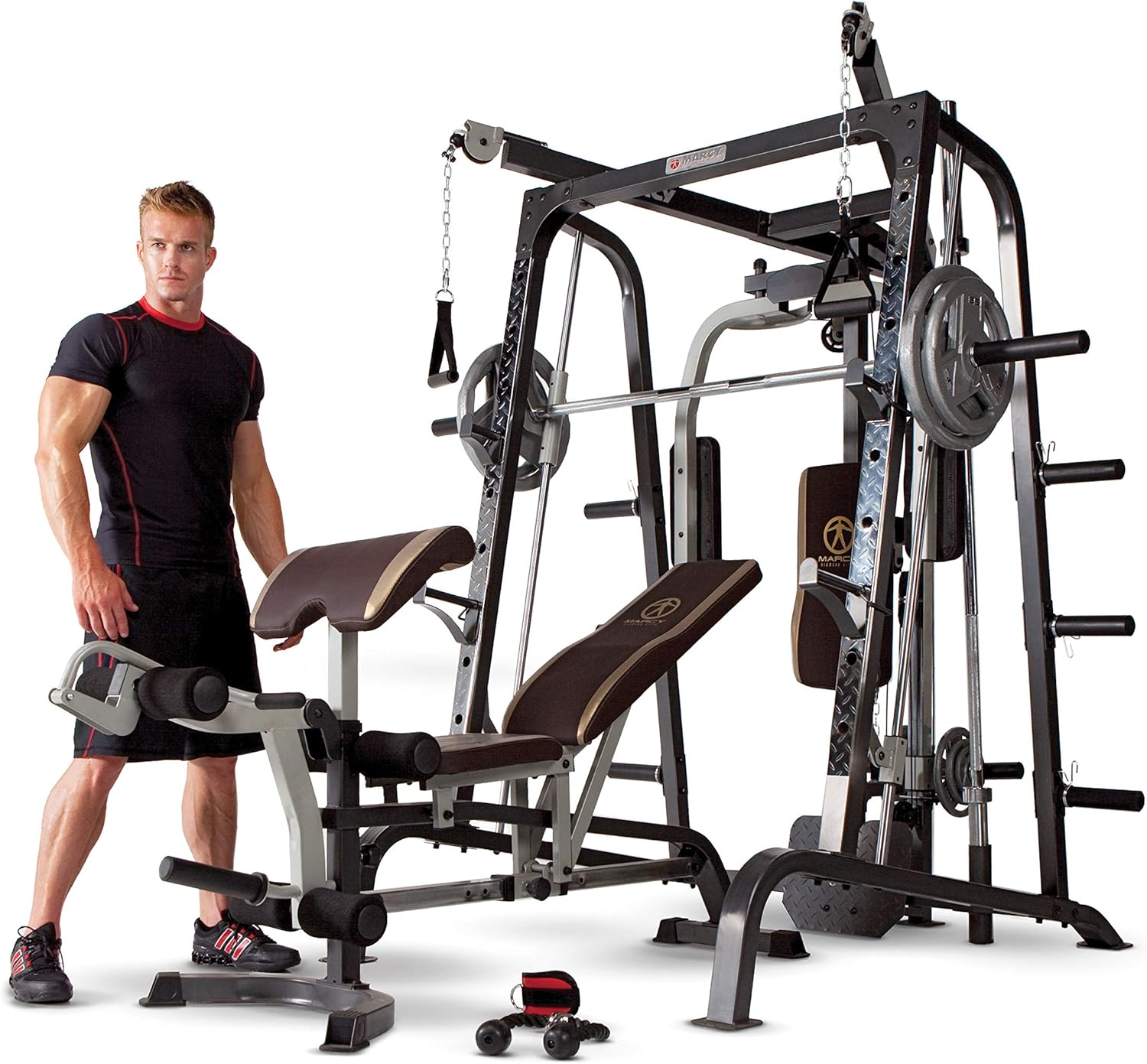
2. Marcy Smith Cage Workout Machine

The famous Marcy Smith exercise equipment for a home gym will satisfy you with instant results through its ultra-modern features. The multi-functional arm press feature lets you do exercises that will enhance the strength of your biceps and triceps. For long-lasting use and improved performance, the aircraft cable of this device has a strength of 2000 lbs. The heavy-duty steel frame comes with 6 weight plate pegs that allow you to store the weights on the machine and give you easy access. This single, all in one device will cater to all of your workout needs. Pros:
  • Can be used to perform a wide range of exercises
  • Strengthens different muscle groups
Cons:
  • Assembling the cable system is a bit complex
Check out this equipment here! 

Best Value of All

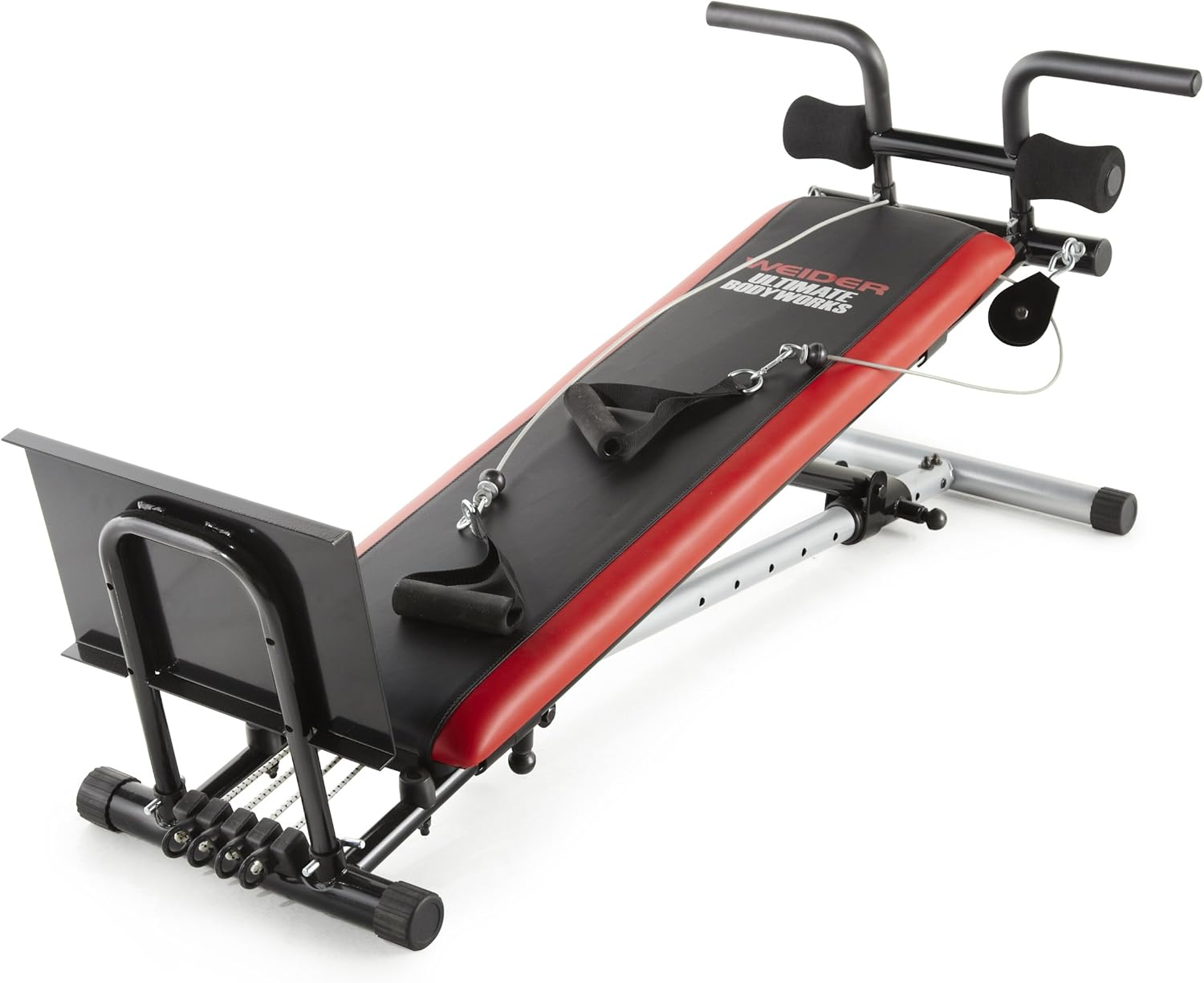
3. Weider Ultimate Body Works

For those who are looking for a budget-friendly home gym equipment, Weider Ultimate Body Works is famous for its ability to enhance your body strength and shape within a short period of time without breaking the bank. You can work on building strength in your chest and shoulder area by easily doing bench pressing through its high pulley system. Additionally, you can focus on developing your core area and abs by performing v-crunches. The high pulley system of this cheap home gym will also work well in toning your back. Pros:

  • Compact, affordable, and space-saving
  • Comes with a 90-day parts and labor warranty
Cons:
  • The seat doesn’t slide up and down
Check out this equipment here! 

4. TRX All In One Home Gym Bundle

If you want to start a body resistant regimen and are looking for the perfect small home gym equipment, then the TRX All In One Home Gym Bundle can solve your problem. As the name indicates, it includes all the necessary items needed for a smooth body resistant regimen. You will get a suspension trainer, indoor/outdoor anchor, 4 various exercise bands, and more, all in one package. For those who don't have much space but still want a great workout, this is the equipment for you. Pros:
  • Portable gym you can take anywhere
  • Multipurpose and ideal for limited spaces
Cons:
  • No DVD or exercise guide book included
Check out this equipment here!

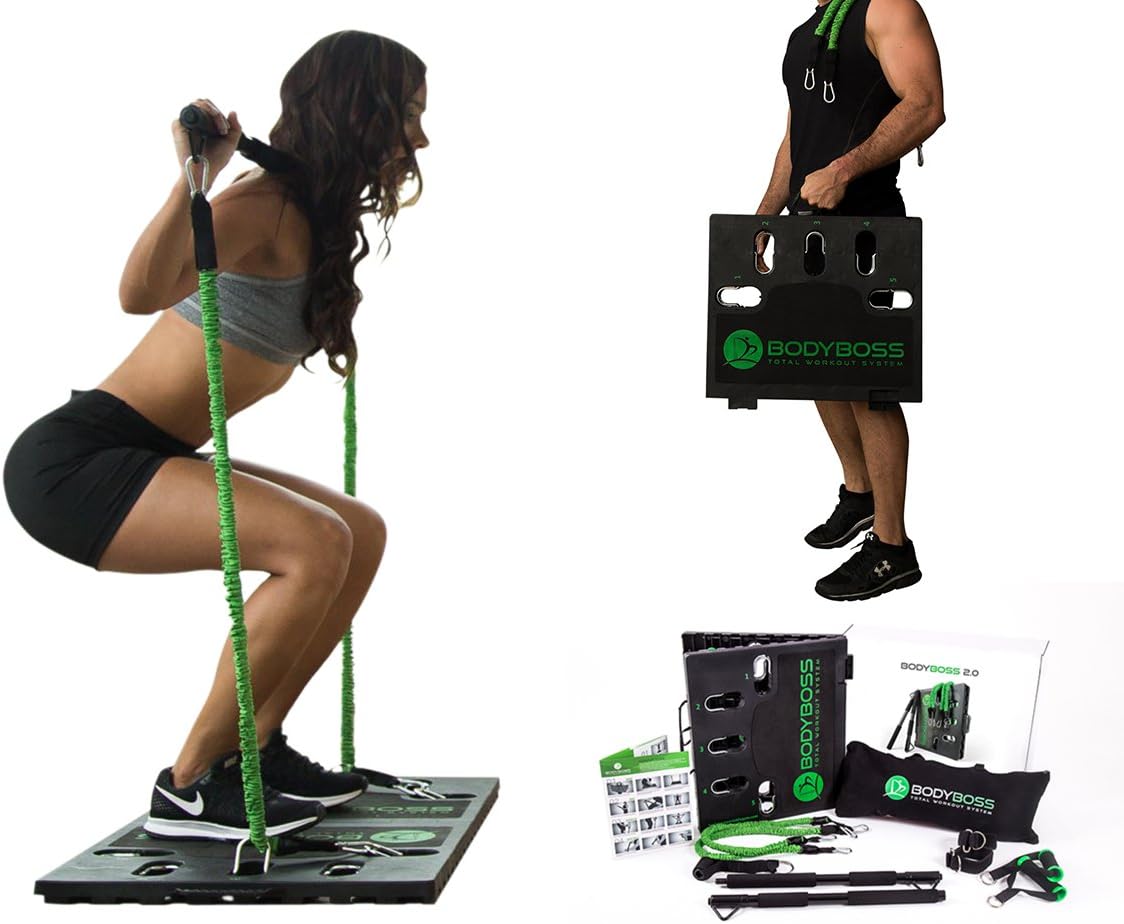
5. BodyBoss Home Gym Workout Equipment

The BodyBoss Home Gym Workout Equipment is designed to be extremely convenient. This portable and highly compact home gym equipment has all the features that you would find in a high-class gym. You can practice exercises that will improve and further develop both your lower body and upper body. Moreover, it can also be used to perform cardio exercises for a fast fat burn. Pros:
  • Lightweight and compact
  • Can be used to perform 300+ exercises
Cons:
  • No instructions are included on how to do the exercises
Check out this equipment here! 

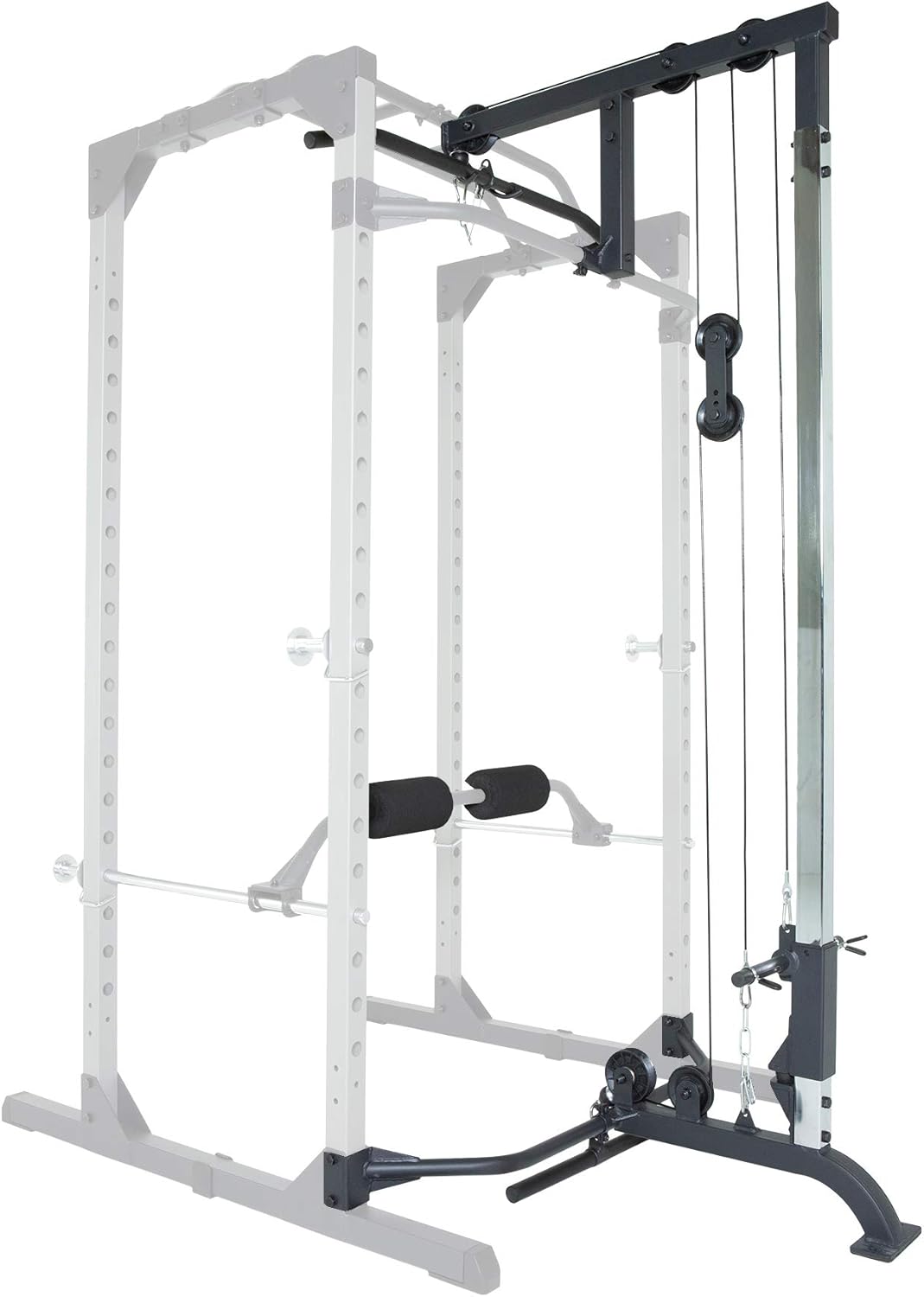
6. Fitness Reality 810XLT Super Max Power

Another essential home gym equipment, the Fitness Reality 810XLT Super Max Power has a high and low row pulley system which helps in forming stronger muscles in the upper and lower back. The strong leg hold-down is adjustable and can be managed easily according to one’s needs. The lower rear crossbar has extra space, which can be used for placing benches and footrest. It can support 265 weight plate capacity and includes one 39” lat bar. Pros:
  • It has a strong frame
  • The pulley system is effective for upper and lower back
Cons:
  • Assemby takes a bit long
Check out this equipment here! 

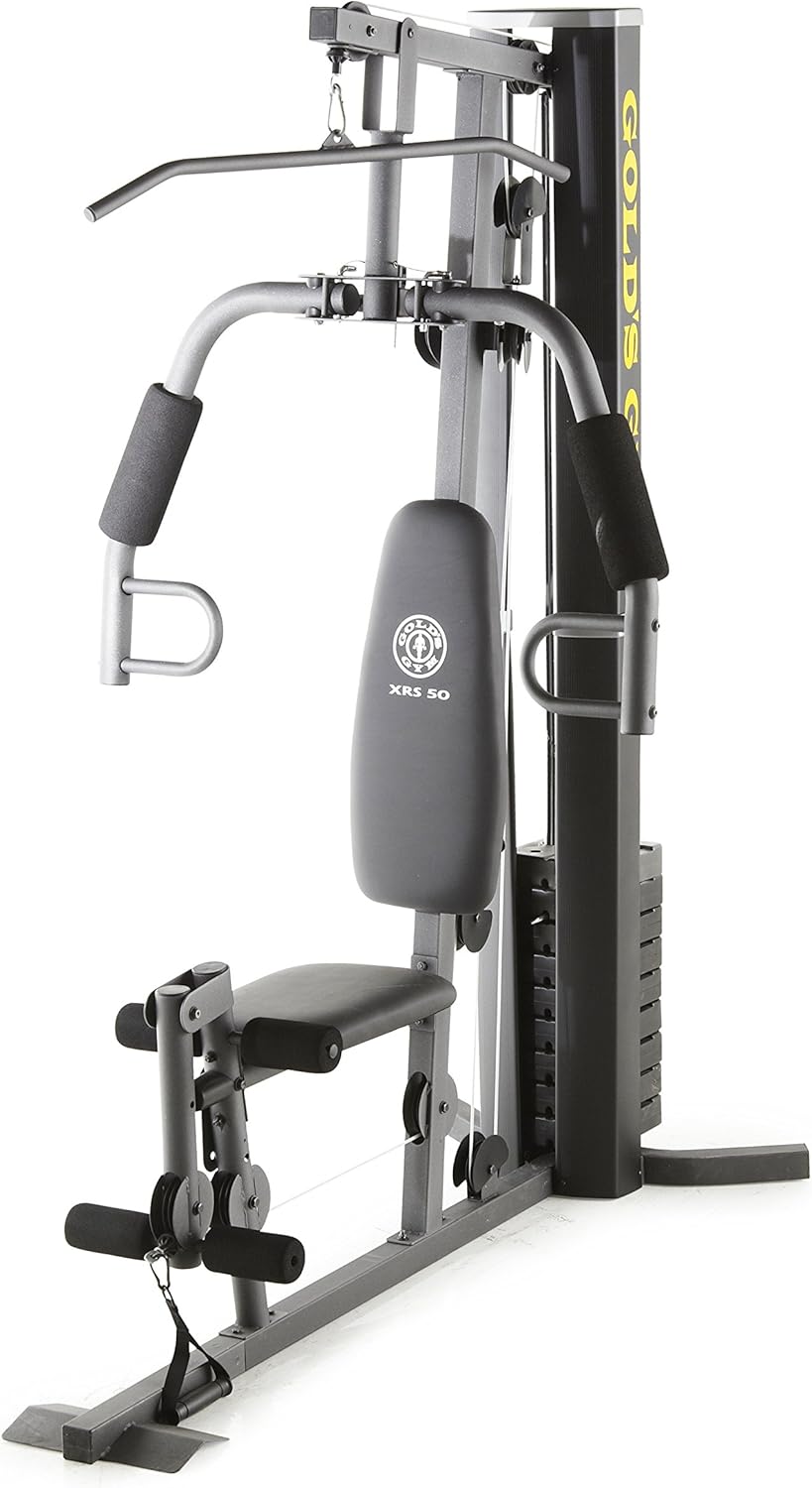
7. ICON Fitness Gold's Gym XRS

Space-saving, easy to use, and dependable are the qualities that make ICON Fitness Gold's Gym XRS stand out. The high pulley is designed to enhance lats while the low pulley will tone your leg muscles. The multi-grip bar will give you more control and stability while exercising. Additionally, you will get a free exercise chart designed by a professional trainer. Pros:
  • Easy to assemble with detailed instructions
  • Helpful workout chart
Cons:
  • It doesn’t come with weights
Check out this equipment here! 

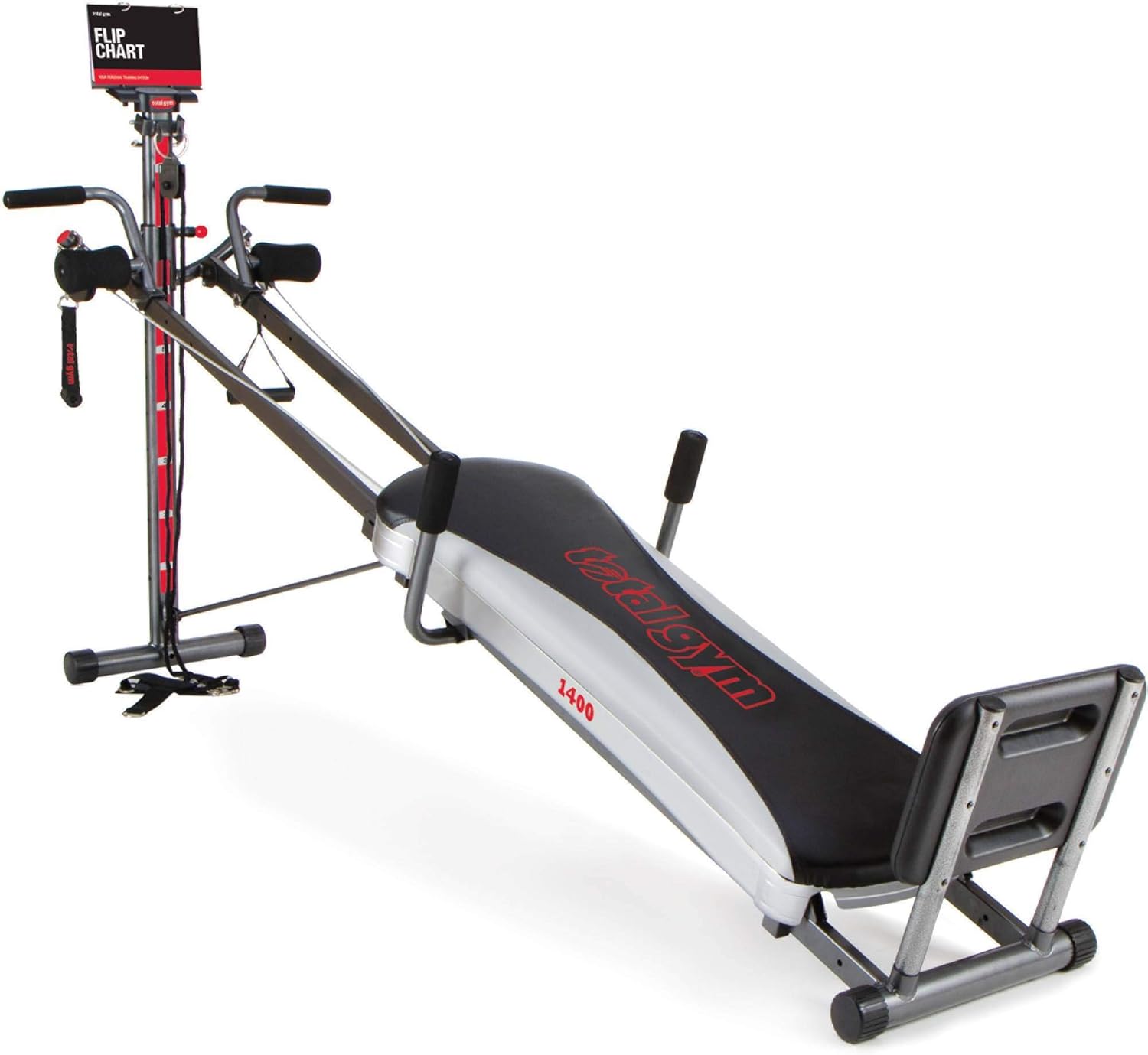
8. Total Gym 1400 Deluxe Home Fitness Exercise

The Total Gym 1400 Deluxe Home Fitness Exercise equipment will cater to your workout needs in a matter of 10-20 minutes by strengthening and toning all your major muscle groups simultaneously. You can perform 60 and more exercises according to the cardio and weight training regimen using this equipment. Pros:

  • Attachments included give you options to exercise at home
  • Rocks steady and glides smoothly
Cons:
  • Top-mounted flip chart is hard to read
Check out this equipment here! 

9. OYO Personal Gym - Full Body Portable Gym Equipment

This total home gym is constructed in such a way that it will give you instant positive results. The SpiraFlex will allow you to do intensive workouts for fat loss. Moreover, like any weight training device that builds up muscles and increases core strength, OYO Personal Gym will give you these same benefits. Pros:
  • Perfect for both men and women
  • Ideal for people who are recovering from an injury
Cons:
  • Resistance cannot be increased
Check out this equipment here! 

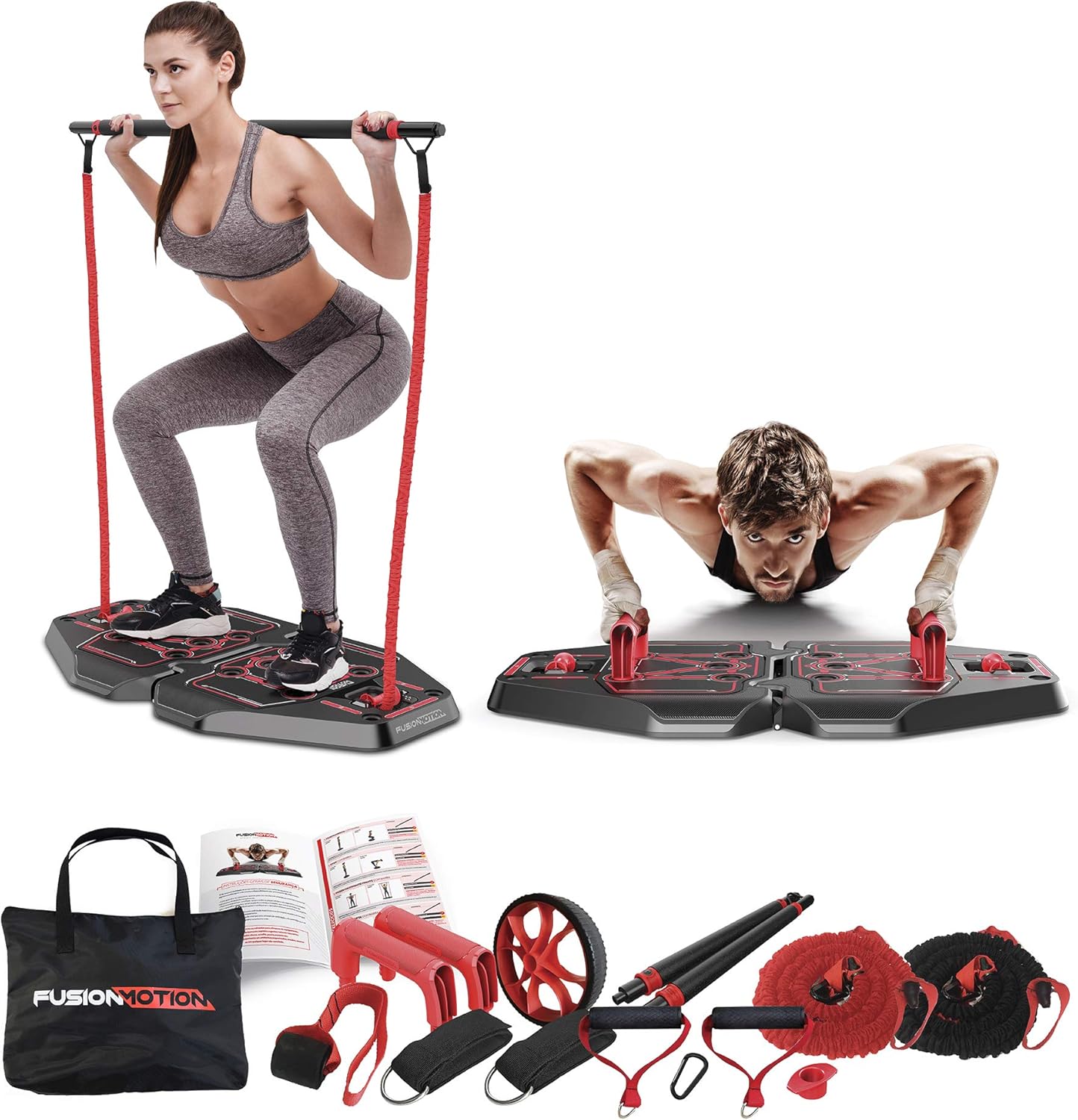
10. Fusion Motion Portable Gym

The Fusion Motion Portable Gym is perfect for an effective body resistance regimen. Manufactured with steel bars, it can handle heavy weights and extensive workouts for long durations. The detailed instruction booklet will assist you in performing more than 200 exercises to get the most out of it. Pros:
  • The ab roller and door anchor are good additions
  • Comes with a guide of exercises and set workouts
Cons:
  • The rollers have a little friction
Check out this equipment here!

Some Common Questions

When creating their home gyms, many people run into questions. Here are some of the more frequently asked questions to help you overcome challenges in the early days of working with your home gym.

Where Should I Set up a Home Gym?

Setting up an effective at home gym is generally an easy process. First, choose a room that you feel is spacious enough. Basements are ideal as they are usually soundproof. Then, add a couple of touches to your selected room through good lighting and a ventilation system.

What Are the Benefits of a Home Gym?

To begin with, a home gym is comfortable to use as it is in a safe, comfortable space, and you can access it any time. Additionally, it is a one -time investment and saves you from the monthly cost of gyms.

How Often Should I Work out?

For beginners, working out two or three times per week is a good start. For people who are used to extensive workouts, going to four to five times per week is ideal.

Is Gym Equipment Safe?

Home gym equipment is designed keeping in mind the standards that will ensure your safety. However, it is recommended to read and learn about the equipment before use so that you can proceed with caution and care. It is also important to read instructions carefully before setting everything up.

Final Thoughts

Creating a safe workout space at home is a great idea if you want to stay consistent with a healthy lifestyle. Hopefully, with the best home gym equipment in 2020 we recommended, you will be able to turn your home into a perfect workout area according to your needs.

More Tips on Creating Your Home Gym


Friday, 22 May 2020

The Importance of Delegating Leadership (And How to Properly Delegate)

Good leaders have mastered the art of delegation. That’s great, but have you ever wondered why delegating leadership is so important? Delegation is a simple phenomenon. It means that a manager or leader breaks down a big work project into smaller parts and divides it among various individuals. The supervisor maintains control while the subordinates enjoy some authority, too. This simple concept of delegating leadership has great benefits if done the right way. Keep reading to find out all about it!

Why You Should Delegate

The main question is, why bother with delegating at all? Why should you replace your years-old system with this new one? Well, grab a snack because the list is long.

1. Time-Efficient

It’s pretty self-explanatory how delegating leadership saves so much time. The real deal is that you can utilize this saved time in so many other important tasks. As a leader or manager, you always need more time. Delegating is the magic to get that wish granted! A lot of things can save you time, but with delegation you get enough control to keep an eye on the delegated project. This gives you room to allow multiple projects to go on at once without having to compromise your attention on any one of them. Simultaneously, you can work on things that are of higher importance and cannot be delegated. In the longer run, the simple idea of delegating leadership brings immense economic benefits to the organization simply because time is managed more efficiently.

2. Empowers Employees

Do you know what the difference between a highly successful organization and a struggling organization is? It is not the size of the business. It also isn’t the effectiveness of the employees. Instead, it is the organization’s treatment of employees. Treatment in this context doesn’t mean employee benefits and relationships. It refers to employee empowerment. Look at it this way: There’s one extremely genius individual, but since s/he isn’t the one with the highest authority in a work environment, his/her abilities are restricted. S/he is always dictated to how and what to do. One day, their superiors let them take control. They relay what final output they are expecting, and the rest is on the employee. This empowerment will put the responsibility on the individual’s shoulders, and as a result, this person will put in more effort and productivity than normal. This empowering attitude of the organization makes subordinates feel like they are in control, which encourages healthy self-sufficiency. No organization can be successful without this approach.

3. More Skills for Everyone

Think of one skill that you think you are great at. Now look back. Were you always an expert in this skill? Of course not. It took you practice, a lot of mistakes, and hard work to master it. The same applies to all employees. Once you delegate leadership, they will get the chance to practice hands-on. When you begin delegation in your office, you can start conducting supporting, skill-based workshops as well. The nature of delegating itself allows leaders to train their subordinates, and leaders also get to learn from their employees.

4. Encourages Honesty

Who doesn’t love honest employees? Honesty is something so vital, yet it can never be forced. Communicating feedback, doing the task, being punctual, maintaining good relationships inside the workplace, and everything else needed for a smooth work environment requires honesty. Believe it or not, delegating leadership gives every individual the space to become honest willingly. It is impossible to delegate for the leader and complete delegated tasks by the subordinates without complete transparency. This is one place where honesty can start to become a habit, and eventually, it will become a part of every single employee in your organization, all with the help of delegation.

5. More Brains

This point is connected with employee empowerment. When the subordinates take control, they think differently than the superiors. It is human nature that no two individuals ever perceive the same information in the same exact way. What this means is that for the same task, more brains will put in their ideas. Therefore, on top of what the leader suggests, the subordinate can bridge in more ideas and produce something innovative.

6. Leadership Requires Planning

Being a leader is not an easy job. There is a lot that goes into becoming a good leader. One of the most vital duties of a leader is to plan. Without doing so, not only is the life of the leader worsened, but it also affects all of the subordinates. Planning and organizing is a time-consuming job. Luckily, delegating leaves behind ample time for planning effectively. Basically, delegation lets the leaders do what’s most important while the rest of the team handles delegated tasks.

7. Organization of Tasks

Here’s something we all know but tend to forget quite often: Not all tasks are equal. Some are a higher priority, while others can be delayed. Sometimes, certain tasks come up later but need to be completed before everything else. This is why leaders need to plan. However, even after all the planning, urgent tasks can surface out of nowhere. In times like these, the best way out is for the leader to delegate. Jobs that do not require 100% expertise of the leader can be delegated. Now, the delegated task will be completed well in time. Similarly, whatever the leader is left behind doing can also be tackled urgently.

Mistakes to Avoid When Delegating

Aren’t you amazed by all the mind-blowing benefits of delegating leadership? Be careful, though, because these benefits can be lost if you make the following mistakes. These common delegation mistakes can turn the tables, and instead of advantages, the wrong delegation technique may make things harder for you.

Over-Delegation

Delegation is the distribution of workload so that the delegator can spend their time doing more important things. This does not mean that the supervisor should delegate everything and sit idle themselves. Over-delegating leads to excess burden and pressure on employees. No employee can ever perform well enough under constant stress. Also, if you delegate more than one task simultaneously to the same team, things will get messy. You can delegate multiple tasks at one time, but make sure you’re distributing the workload among more individuals instead of concentrating the pressure on just a few.

Micromanaging

Delegating leadership is all about sharing control. If you’re going to micromanage every single move of your subordinates, you might as well do the job yourself. Not only is it hectic for the supervisor, but it also makes things tougher for the subordinates. You must give enough autonomy and authority to all subordinates.

Lack of Communication

Just because you’ve handed over part of your reign to another individual does not rid you of responsibility. Your duty here is clear communication. Whenever you delegate, be very clear. Do not leave any ambiguity. From task details to deadlines to the degree of authority being delegated, let the subordinate know all the specifics. In times like these, it is better to over-communicate instead of risking a lack of communication. Also, clarify things that you assume the team already knows. Moreover, do not expect the subordinates to ask all the questions on the spot. As they move on with the task, more queries will surface. So, be readily available to provide the support that your team needs.

Demand for 100% Perfection

Humans always make mistakes. As a leader, you make mistakes, too. That’s not something to be ashamed of. The concern here is that you and all your subordinates should be willing to accept the mistakes. Followed by acceptance of a mistake is the will to fix it. You should put confidence in your team members. Give them enough room to mess up so that they do not feel overwhelmed with pressure. At the same time, be authoritative enough to command them to learn from their mistake so that it’s not repeated in the future. Instead of reprimanding your team for making mistakes, offer help. Since you are the expert in the lot, your subordinates expect to learn from you.

Choosing the Wrong Person

The essence of delegation is that the subordinates should do a good job. Now, delegation doesn’t magically make every team member highly skilled. It is your job as a leader to identify who can do what. Moreover, you should also use the 5 levels of task delegation((Inc.: 5 Levels of Remarkably Effective Delegation)) to make sure that the assigned jobs are monitored according to the skill level of the subordinates. Distributing tasks randomly will do the opposite of what you expect from delegation.((American Management Association: Delegation Do’s and Don’ts)) To save time, you should pre-evaluate all of your subordinates. This way, when the time comes, you know exactly who to go to.

Conclusion

There is no doubt left in the importance of delegating leadership. If you’re a leader who is concerned about the productivity, pressure, workload, and overall environment in your workspace, delegation is a beneficial path to adopt. Avoid the common rookie leader mistakes and let delegating leadership do wonders for your organization!

More Tips on Delegating Leadership