Friday, 4 August 2023

What Is Chronic Procrastination and How To Deal with It

Chronic procrastination—it’s that nagging pull to delay tasks, the call of the snooze button you just can’t ignore, the endless deferring of what needs to be done. It’s not just the occasional “I’ll do it tomorrow,” but a relentless pattern that sweeps through your days, weeks, and even years.

For some, procrastination might be an every-now-and-then incident, for others, it’s an epidemic. Indeed, according to the diligent research of Dr. Joseph Ferrari, a staggering 20% of individuals identify themselves as chronic procrastinators.[1] Imagine that, one in every five people locked in a constant tango with delay.

Why does this matter? Because we need to understand that chronic procrastination isn’t merely about laziness or poor time management—it’s a serious issue that can impede progress, hamper personal growth, and even take a toll on mental health. Understanding chronic procrastination is like decoding a cryptic puzzle. Only once we dissect it, comprehend it, can we then deal with it effectively.

Chronic Procrastination vs. Acute Procrastination

Procrastination isn’t just a one-size-fits-all affair; there are nuances to it. Chronic and acute procrastination are the two common types.

Chronic procrastination is a long-term habit of unnecessary delay.[2] Think of it as the uninvited guest who moves in and refuses to leave.

On the other hand, acute procrastination is like that occasional gatecrasher—it shows up, makes a mess, but leaves relatively quickly.

When Severity Makes a Difference

The intensity of procrastination also counts.[3] For instance, if someone procrastinates only lightly—for a few minutes and on minor things—their behavior might not be seen as chronic procrastination, even if it stretches over long periods.

One Domain or Many?

Some chronic procrastinators have specific arenas where they falter. They might always postpone house chores or always delay workplace duties. We can dub them as “chronic academic procrastinators” or “chronic workplace procrastinators”.

On the flip side, there are those who procrastinate across multiple or even all areas of life, the “chronic procrastinators” in the true sense.

The Long-Term Tendency of Delay

Chronic procrastination isn’t about how long you delay a single task. It’s about the long-term tendency to postpone things, repeatedly.

A chronic procrastinator might only delay tasks for a few hours or days at a time, but if this habit stretches over years, it still counts as chronic procrastination.

That said, persistently postponing things for long periods also fits the bill, as it showcases a long-term tendency to delay.

In both cases, the keyword is ‘long-term.’ If it’s a recurring theme in the movie of your life, it’s chronic procrastination.

Recognizing Chronic Procrastination

So, how do you know if you’re in its grasp? Are there signs?

Yes, there are — and they’re not as subtle as you might think:

1. A Rocky Relationship with Deadlines

Chronic procrastinators often wrestle with deadlines. They’re the ones making a mad dash to finish a report in the eleventh hour, or handing in assignments with the ink still fresh.

2. A Life-Wide Epidemic

Then there’s the breadth of procrastination. If you find yourself delaying not just at work, but at home, in your hobbies, and in your relationships, you’re not looking at isolated incidents, but a chronic issue.

3. Frequent Procrastination

Frequency is another indicator. Is procrastination your unwelcome daily guest, your constant companion? If it’s a more regular part of your life than your morning coffee, you might be a chronic procrastinator.

4. The Lure of Distractions

Chronic procrastinators are often easily distracted. If you can’t resist the siren call of social media when there’s work to be done, that’s a sign of chronic procrastination.

5. The Ripple Effect: Relationships in the Balance

Procrastination can cause turbulence in your relationships. If your loved ones are growing tired of your constant ‘laters’, it’s time to take a hard look at your habits.

6. Filling Time with Trivial Tasks

If you’re tackling your third load of laundry while your presentation remains untouched, you’re likely choosing easy over necessary.

Chronic procrastinators often fill their time with trivial tasks to avoid the big ones.

7. Your Health Is Affected

The physical impact can’t be ignored either. Lost sleep over that looming deadline, or stress eating because of unfinished tasks? Your body is waving a red flag.

8. Persisting in the Face of Negative Consequences

Finally, if you’ve faced negative consequences—lost jobs, dinged credit, stressed relationships—but still can’t seem to break the procrastination cycle, you’re exhibiting a major sign of chronic procrastination.

But don’t despair. Recognition is the first step toward progress.

Causes of Chronic Procrastination

There are 2 major causes of chronic procrastination:

1. Emotions at the Wheel

Procrastination is not always about laziness, nor is it purely about a lack of know-how. More often than not, it’s deeply rooted in our emotional states.

Recent research[4] makes a compelling connection between our mood and the act of procrastination. It’s a struggle between what we feel and what we delay.

Simply put, we’re not postponing tasks just because they’re hard, but because of the emotional rollercoaster we associate with them.

Imagine this: you’re looking at a task on your to-do list, and it instantly makes you think of the irritation and frustration it brought you the last time. Or perhaps, you’ve built it up in your mind to be this gargantuan, difficult monster, even if you’ve never tackled it before. Either way, these feelings act as barriers.

So, what do you do? You put the task on the back burner, telling yourself that tomorrow will be a better day to confront those emotions. It’s about evading those preconceived ideas and dodging the emotional distress.

In essence, procrastination becomes your emotional shield, your go-to strategy when you want to sidestep those uneasy feelings. It’s a coping mechanism. Instead of facing the feelings head-on, you avoid the task, hoping for a more emotionally suited day. This approach might give temporary relief, but it’s a recipe for long-term stagnation.

2. The Deeper Root: A Mental Health Symptom

Sometimes, procrastination isn’t just about dodging unpleasant feelings. It can be a symptom of deeper mental health issues, like anxiety, depression, or ADHD.

Anxiety: Fear’s Delaying Effect

For instance, if you’re dealing with anxiety, your tasks might seem like steep mountains filled with “what ifs” and worst-case scenarios. This fear can handcuff you in the present, delaying your climb.

Perfectionism’s Paralysis

There’s a sneaky connection between anxiety, perfectionism, and procrastination too,[5] which is known as perfectionist paralysis.

If you’re scared that you won’t be able to do something perfectly, you might prefer not to do it at all. You delay, hoping for a moment of perfect readiness that never comes.

Depression: The Energy Drain

With its habit of gnawing away at your energy and self-esteem, depression can also be a big contributor to procrastination.

When motivation runs dry, tasks tend to pile up. You might delay responsibilities, not because they’re tough, but because you doubt your abilities to tackle them.

ADHD: A Focus-Driven Detour

And let’s not forget ADHD, which has inattention symptoms like distractibility, concentration difficulties, and hyperfocus. These can all pave the way to procrastination, creating a labyrinth of delays.[6]

The Cycle of Procrastination

These underlying issues often trigger procrastination cycles that can solidify this behavior in the long term.

Imagine someone who procrastinates due to anxiety. The delay leads to poor performance, which fuels more anxiety and sets them up for more procrastination in the future. It’s a vicious cycle, looping again and again, building a stronghold of chronic procrastination.

Understanding that chronic procrastination isn’t just about time management—it’s about managing your emotions, beliefs, and, in some cases, addressing underlying mental health issues is important to breaking free from procrastination.

How to Deal With Chronic Procrastination

Tackling procrastination is a journey. And like most journeys, it’s easier with a roadmap and perhaps, a co-pilot. Here are two effective routes that can steer you away from the land of eternal tomorrows:

1. The Self-Help Route

Want to take a shot at breaking the cycle on your own? Consider this: the internet is filled with resources, but not all are cut from the same cloth.

I’ve put together a comprehensive guide which stands as a beacon for those lost in the maze of procrastination: What Is Procrastination And How To End It

It’s not just about methods; it’s about understanding the root of your delays and then curating a personalized approach to overcome them.

Think of it as a toolkit; every tool has its purpose, and with a little trial and error, you’ll find what works best for you.

2. Seek Guidance from a Therapist

If the weight of chronic procrastination feels too heavy to lift alone, it might be time to call in the experts.

If you’ve been a serial postponeer and the ripples of delay are crashing into your work life, personal relationships, or mental well-being, it’s time to consider therapy.

A therapist does more than just listen. They’re trained to help you unearth emotional triggers, shining a light on those dark corners where anxieties and fears reside. They can also spot any underlying mental health issues that might be contributing to your procrastination habit.

More than just digging deep, therapy arms you with strategies to counter negative self-talk and reshape unproductive thought patterns. It’s about equipping you with the tools and the insight to not just break the cycle of delay, but to also ensure it doesn’t re-establish its grip.

Whether you choose the self-help path or lean on the expertise of a therapist, know that progress is possible. All you need is the will to start.

Final Thoughts

Chronic procrastination—this pervasive pattern of delay isn’t just about tomorrow’s to-do list. It’s a complex web spun from emotional discomfort, negative self-talk, and in some cases, underlying mental health issues.

It influences not just what we do, but who we are—playing out in our jobs, our relationships, and our sense of self-worth.

Recognizing chronic procrastination isn’t a sign of failure; it’s a lightbulb moment. An invitation to understand better, to dig deeper, and to usher in change. It matters because you matter. Your time, your potential, your peace of mind—they’re worth fighting for.

TL;DR

Don't have time for the full article? Read this.

Chronic procrastination is not just a habit, it’s a complex behavior with deep-rooted emotional and psychological factors.

20% of people identify themselves as chronic procrastinators, indicating a widespread issue.

Recognizing the signs of chronic procrastination such as difficulty meeting deadlines, frequent procrastination, and its impact on relationships, can help you understand your own patterns better.

There’s a difference between chronic and acute procrastination. The former is a long-term, pervasive issue, while the latter is a temporary, short-term delay.

Two main causes of chronic procrastination are emotional regulation difficulties and as a symptom of other mental health conditions like anxiety, depression, and ADHD.

Procrastination is often a coping mechanism to avoid uncomfortable feelings and tasks that are perceived as difficult or distressing.

Mental health conditions such as anxiety, depression, and ADHD can exacerbate procrastination, creating cycles that can be difficult to break.

Self-help methods, such as understanding the root cause of procrastination and finding suitable methods to tackle it, can be a good starting point in dealing with this issue.

For long-time procrastinators, seeking professional help such as therapy can be beneficial, especially if procrastination is impacting work performance, personal relationships, or mental health.

Therapy can provide insight into emotional triggers, underlying mental health concerns, and help in developing strategies to challenge negative self-talk and reframe unhelpful thought patterns.

Reference

The post What Is Chronic Procrastination and How To Deal with It appeared first on Lifehack.


Thursday, 3 August 2023

70 Distraction Quotes That Remind You the Importance of Focus

Ever been in the middle of an important task, a deep conversation, or a captivating book, when the ping of your phone pulls you out of the moment? It’s a common experience for many of us in this digital age – our focus, no matter how deep, is constantly interrupted by the influx of emails, texts, and notifications. If you’ve found yourself struggling to concentrate or losing track of your thoughts because of distractions, you’re certainly not alone.

But have you ever wondered about the cost of these constant interruptions?

In 2005, Dr Glenn Wilson from London’s Institute of Psychiatry conducted a study that reveals the alarming effect distractions can have on our cognitive function.[1]

Dr. Wilson found that persistent interruptions and distractions at work resulted in a 10-point drop in IQ, an effect that’s twice as profound as those found in studies on the impact of smoking marijuana. You might think it’s just a minor distraction, a fleeting diversion, but the numbers speak for themselves.

Even more startling is the compulsion we feel to address these distractions immediately. Over half of the 1,100 participants in the study confessed that they always responded to an email immediately or as soon as possible. 21% even admitted they would interrupt a meeting to address an email. It seems that our desire for constant connection and instant response has the same effect as the loss of a night’s sleep.

Distractions aren’t just an annoyance; they’re a significant drain on our mental resources. I’ve gathered a selection of distraction quotes to help you combat this pervasive issue.

70 Distraction Quotes That Are Full of Wisdom

The following distraction quotes serve as poignant reminders of the importance of maintaining focus and their insights can help you reclaim your focus.

  1. “The shorter way to do many things is to only do one thing at a time.” – Mozart

  2. “Most of what we say and do is not essential…Ask yourself at every moment, ‘Is this necessary?'” – Marcus Aurelius

  3. “The successful warrior is the average man, with laser-like focus.” – Bruce Lee

  4. “In the age of distraction, single-tasking is a superpower.” – Greg McKeown

  5. “Concentration and mental toughness are the margins of victory.” – Bill Russell

  6. “The key to success is to focus our conscious mind on things we desire, not things we fear.” – Brian Tracy

  7. “The art of being wise is the art of knowing what to overlook.” – William James

  8. “One reason so few of us achieve what we truly want is that we never direct our focus; we never concentrate our power.” – Tony Robbins

  9. “The ability to concentrate and to use your time well is everything if you want to succeed in business – or almost anywhere else for that matter.” – Lee Iacocca

  10. “Always remember, your focus determines your reality.” – George Lucas

  11. “You will never reach your destination if you stop and throw stones at every dog that barks.” – Winston Churchill

  12. “Realize deeply that the present moment is all you ever have. Make the NOW the primary focus of your life.” – Eckhart Tolle

  13. “The key is not to prioritize what’s on your schedule, but to schedule your priorities.” – Stephen Covey

  14. “Simplicity is the ultimate sophistication.” – Leonardo da Vinci

  15. “Don’t confuse activity with productivity. Many people are simply busy being busy.” – Robin Sharma

  16. “Simplicity boils down to two steps: Identify the essential. Eliminate the rest.” – Leo Babauta

  17. “It is a mistake to look too far ahead. Only one link in the chain of destiny can be handled at a time.” – Winston Churchill

  18. “Your life is controlled by what you focus on.” – Tony Robbins

  19. “Concentrate all your thoughts upon the work at hand. The sun’s rays do not burn until brought to a focus.” – Alexander Graham Bell

  20. “To do two things at once is to do neither.” – Publilius Syrus

  21. “People think focus means saying yes to the thing you’ve got to focus on. But that’s not what it means at all. It means saying no to the hundred other good ideas that there are.” – Steve Jobs

  22. “Energy flows where attention goes.” – Tony Robbins

  23. “Where your attention goes, your time goes.” – Idowu Koyenikan

  24. “My experience is that the teachers we need most are the people we’re living with right now.” – Byron Katie

  25. “Do whatever you do intensely.” – Robert Henri

  26. “Distractions destroy action. If it’s not moving towards your purpose, leave it alone.” – Jermaine Riley

  27. “Stay focused, ignore the distractions, and you will accomplish your goals much faster.” – Joel Osteen

  28. “Just focus on one thing at a time.” – Matthew McConaughey

  29. “I learned to focus and work hard and not give up. I learned that every obstacle is really an opportunity.” – Jenna Ushkowitz

  30. “The direction of your focus is the direction your life will move. Let yourself move towards what is good, valuable, strong and true.” – Ralph Marston

  31. “What you focus on expands. Focus on the positive.” – Lily Tomlin

  32. “There’s no scarcity of opportunity to make a living at what you love. There is only a scarcity of resolve to make it happen.” – Wayne Dyer

  33. “I don’t care how much power, brilliance or energy you have, if you don’t harness it and focus it on a specific target, and hold it there you’re never going to accomplish as much as your ability warrants.” – Zig Ziglar

  34. “Focusing on one thing and doing it really, really well can get you very far.” – Kevin Systrom

  35. “Instead of worrying about what you cannot control, shift your energy to what you can create.” – Roy T. Bennett

  36. “In the midst of movement and chaos, keep stillness inside of you.” – Deepak Chopra

  37. “Don’t dwell on what went wrong. Instead, focus on what to do next.” – Denis Waitley

  38. “One way to keep momentum going is to have constantly greater goals.” – Michael Korda

  39. “Starve your distractions, feed your focus.” – Daniel Goleman

  40. “The first step toward success is taken when you refuse to be a captive of the environment in which you first find yourself.” – Mark Caine

  41. “Decide what you want, decide what you are willing to exchange for it. Establish your priorities and go to work.” – H. L. Hunt

  42. “When walking, walk. When eating, eat.” – Zen Proverb

  43. “The ability to focus attention on important things is a defining characteristic of intelligence.” – Robert J. Shiller

  44. “Concentration is the secret of strength.” – Ralph Waldo Emerson

  45. “All that we are is the result of what we have thought. The mind is everything. What we think we become.” – Buddha

  46. “In the digital age, distraction has become a way of life – we’re always multitasking, constantly checking our phones, and juggling a million balls in the air. But this is no way to live. If we’re always looking for the next thing, we’ll never enjoy what we have now.” – Dan Sullivan

  47. “Do not let what you cannot do interfere with what you can do.” – John Wooden

  48. “One can have no smaller or greater mastery than mastery of oneself.” – Leonardo da Vinci

  49. “Your future is created by what you do today, not tomorrow.” – Robert Kiyosaki

  50. “Focus on being productive instead of busy.” – Tim Ferriss

  51. “Realize that now, in this moment of time, you are creating. You are creating your next moment. That is what’s real.” – Sara Paddison

  52. “When every physical and mental resource is focused, one’s power to solve a problem multiplies tremendously.” – Norman Vincent Peale

  53. “Whatever you hold in your mind on a consistent basis is exactly what you will experience in your life.” – Tony Robbins

  54. “What you choose today will determine who you are tomorrow.” – Tim Fargo

  55. “Maintain your focus. Drive. Don’t lose sight of the things you love.” – Ventus B. Carudo

  56. “The secret of change is to focus all of your energy not on fighting the old, but on building the new.” – Socrates

  57. “The ability to resist distraction or withstand urges to perform actions that offer immediate rewards and instead persist with behavior aimed at long-term goals…is the key to success in life.” – Martin E.P. Seligman

  58. “Distraction is a killer of dreams, goals and the ultimate life one desires.” – E’yen A. Gardner

  59. “It’s not the daily increase but daily decrease. Hack away at the unessential.” – Bruce Lee

  60. “Juggling is an illusion. … In reality, the balls are being independently caught and thrown in rapid succession. … It is actually task switching.” – Gary Keller, The One Thing: The Surprisingly Simple Truth Behind Extraordinary

  61. “Simplicity is about subtracting the obvious and adding the meaningful.” – John Maeda

  62. “It’s about less distraction and more connection.” – Dave Bruno

  63. “There is only one timeline. There is only one you.” – Dave Crenshaw, The Myth of Multitasking: How “Doing It All” Gets Nothing Done

  64. “I can’t change the direction of the wind, but I can adjust my sails to always reach my destination.” – Jimmy Dean

  65. “Multi-tasking arises out of distraction itself.” – Marilyn vos Savant

  66. “You can do anything, but not everything.” – David Allen

  67. “What looks like multitasking is really switching back and forth between multiple tasks, which reduces productivity and increases mistakes by up to 50 percent.” – Susan Cain

  68. “The greatest enemy of good thinking is busyness.” – John C. Maxwell

  69. “The man who chases two rabbits, catches neither.” – Confucius

  70. “It’s not always that we need to do more but rather that we need to focus on less.” – Nathan W. Morris

Final Thoughts

We’re living in a noisy world. Distractions buzz around us like bees to a hive, and all too often, we find ourselves becoming the honey. But as these wise words from some of the greatest thinkers and achievers show, it doesn’t have to be that way.

These 70 powerful quotes aren’t just a good read. They are a call to action. A call to quiet the noise, to turn down the volume on distractions and turn up the dial on focus.

Remember, every distraction is a choice, and so is every moment of focus. If your choice is to be focused, to be productive, and to make strides toward your goals, then these quotes are your roadmap.

Read them. Digest them. Most importantly, let them inspire action.

Don’t just take my word for it. Read How to Boost Your Focus And Attention Span to explore more strategies for beating back distractions and bolstering your focus.

Reference

[1] The Guardian: Emails ‘pose threat to IQ’

The post 70 Distraction Quotes That Remind You the Importance of Focus appeared first on Lifehack.


15 Best Books on Distraction to Help You Regain Focus

In today’s fast-paced digital era, it’s alarming how easily we get pulled away from our tasks. A study by Udemy[1] reveals that a staggering 84.4% of people admit to being distracted at work.

Break it down and you’ll see that emails gobble up the attention of 26%, while phone calls and texts claim a lion’s share of 55%. Add co-workers and the vastness of the Internet into the mix and you’re looking at distractions of 27% and 41% respectively.

But it doesn’t stop at work. For 59% of the general populace, personal technology is the real culprit. The siren call of Facebook, for many, proves too powerful to resist.

The real cost of these distractions? When interrupted, workers need an average of 23 minutes and 15 seconds just to regain their original focus. This comes at a hefty price.

Research discloses that American businesses are leaking as much as $650 billion annually due to these distractions.[2] This isn’t just about dollars and cents; it’s about potential unrealized.

As the 2018 Udemy report indicates:

  • 54% of workers feel they aren’t tapping into their full capabilities,
  • 50% believe their productivity is taking a significant hit, and
  • 20% think distractions are barricading their career growth.

Now, if you’re looking for a lifeline in this sea of distractions, I’ve curated a list of 15 transformative books designed to help you reclaim your focus.

15 Best Books on Distractions

Let’s unveil the 15 must-read books to reignite your focus.

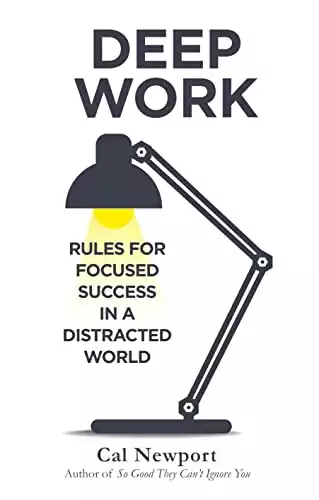
1. “Deep Work: Rules for Focused Success in a Distracted World” by Cal Newport

Newport emphasizes the power of undisturbed concentration. With key strategies for shutting out distractions, he guides readers on how to train the mind for deep, focused work.

By mastering the rules in this book, you can cultivate an ability to delve deeper into your work, minimizing distractions, and maximizing productivity.

Deep Work: Rules for Focused Success in a Distracted World
$13.70
Read Now
Lifehack is reader-supported. We earn a commission, at no additional cost to you.
08/03/2023 04:31 pm GMT

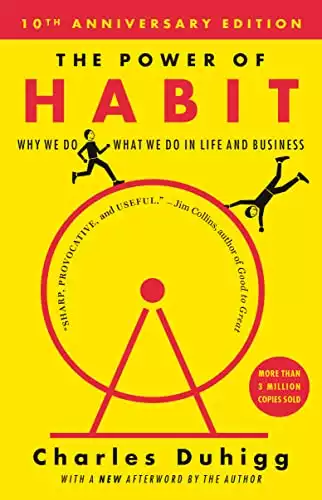
2. “The Power of Habit: Why We Do What We Do in Life and Business” by Charles Duhigg

This book unlocks the mystery behind our habits – why they exist and how they can be changed.

Duhigg gives you the key to unlock the power of habit transformation, allowing you to swap distraction-inducing habits with focus-boosting behaviors.

The Power of Habit: Why We Do What We Do in Life and Business
$9.98
Read Now
Lifehack is reader-supported. We earn a commission, at no additional cost to you.
08/03/2023 04:32 pm GMT

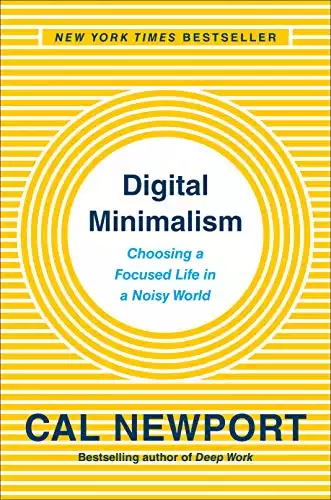
3. “Digital Minimalism: Choosing a Focused Life in a Noisy World” by Cal Newport

Newport champions the principle of less is more, particularly in our digital lives. He offers practical advice for reducing digital noise and living a focused life.

His approach enables you to make conscious decisions about your digital life, letting you weed out the unnecessary digital clutter that distracts you.

Digital Minimalism: Choosing a Focused Life in a Noisy World
$14.99
Buy Now
Lifehack is reader-supported. We earn a commission, at no additional cost to you.
08/03/2023 04:33 pm GMT

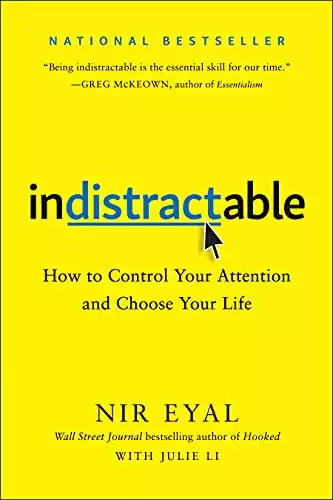
4. “Indistractable: How to Control Your Attention and Choose Your Life” by Nir Eyal

Eyal provides tools to control your attention and escape the trap of distractions. The book emphasizes the power of choice in determining the quality of life and productivity.

Adopting Eyal’s methodologies can help you establish a system that shields your attention from diversions and leads you towards a life of your choosing.

Indistractable: How to Control Your Attention and Choose Your Life
$12.99
Buy Now
Lifehack is reader-supported. We earn a commission, at no additional cost to you.
08/03/2023 04:33 pm GMT

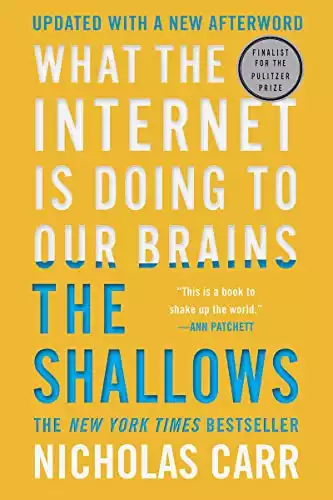
5. “The Shallows: What the Internet Is Doing to Our Brains” by Nicholas Carr

Carr dives deep into how the internet affects our brain and reshapes our thinking. The book might not offer direct strategies for combating distractions, but it provides a powerful motivation to manage your digital lives and protect your mental focus.

It will make you think critically about your internet habits, encouraging you to set boundaries and protect your cognitive abilities from constant digital distractions.

The Shallows: What the Internet Is Doing to Our Brains
$17.95
Buy Now
Lifehack is reader-supported. We earn a commission, at no additional cost to you.
08/03/2023 04:34 pm GMT

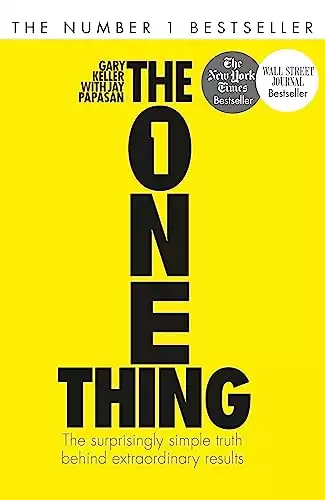
6. “The One Thing: The Surprisingly Simple Truth Behind Extraordinary Results” by Gary Keller and Jay Papasan

This book underscores the power of focusing on one thing at a time.

Implementing the book’s principle can help you cut down on multitasking, enabling you to focus on your most important tasks and achieve extraordinary results with less stress.

One Thing
One Thing
$9.14
Buy Now
Lifehack is reader-supported. We earn a commission, at no additional cost to you.
08/03/2023 04:35 pm GMT

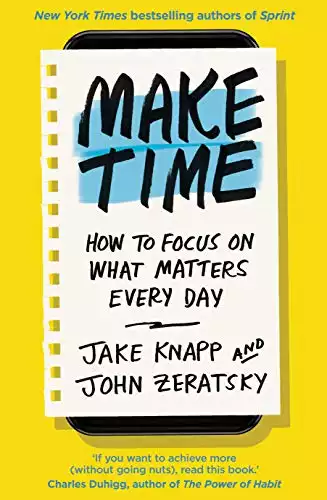
7. “Make Time: How to Focus on What Matters Every Day” by Jake Knapp and John Zeratsky

The authors offer a straightforward system for prioritizing tasks, focusing on meaningful work, and ignoring distractions.

Applying their methods can help you redefine your daily rhythm and make every day more productive.

Make Time: How to focus on what matters every day
$23.93
Read Now
Lifehack is reader-supported. We earn a commission, at no additional cost to you.
08/03/2023 04:35 pm GMT

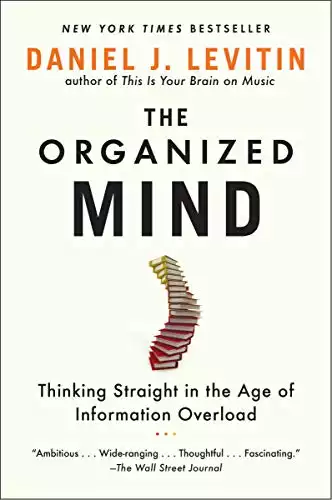
8. “The Organized Mind: Thinking Straight in the Age of Information Overload” by Daniel J. Levitin

Levitin explores neuroscience and cognitive psychology to help readers manage information overload.

Following Levitin’s strategies can help you tame the information chaos, giving you a clearer mind and a better capacity to focus.

By organizing your mind and your life, you can make room for more meaningful thoughts and actions.

The Organized Mind: Thinking Straight in the Age of Information Overload
$17.99
Buy Now
Lifehack is reader-supported. We earn a commission, at no additional cost to you.
08/03/2023 04:36 pm GMT

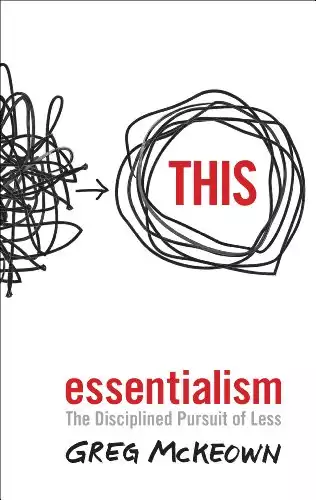
9. “Essentialism: The Disciplined Pursuit of Less” by Greg McKeown

McKeown promotes the idea of less but better. He guides you to identify what is truly essential and eliminate everything else.

His concept of essentialism helps you sift through your commitments, enabling you to focus on tasks that align with your values and goals, so you can invest your time and energy wisely.

Essentialism: The Disciplined Pursuit of Less
$10.02
Buy Now
Lifehack is reader-supported. We earn a commission, at no additional cost to you.
08/03/2023 04:37 pm GMT

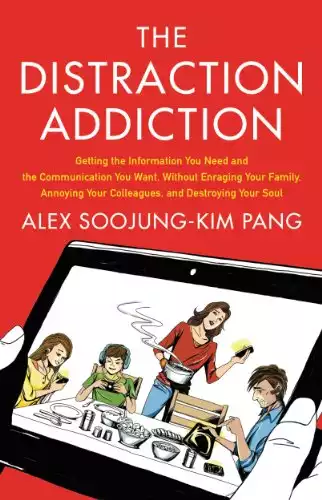
10. “The Distraction Addiction: Getting the Information You Need and the Communication You Want, Without Enraging Your Family, Annoying Your Colleagues, and Destroying Your Soul” by Alex Soojung-Kim Pang

Pang offers a path to balance and mindfulness in an age of constant digital distractions.

By employing Pang’s advice, you can strike a balance in your digital life, ensuring it enhances rather than detracts from your real-life connections and career.

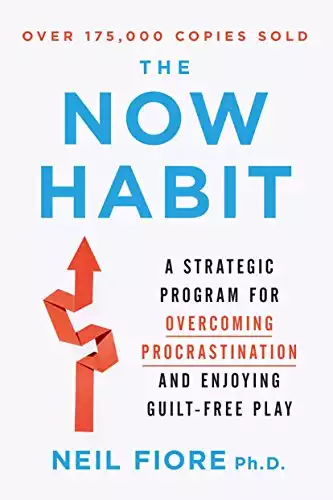
11. “The Now Habit: A Strategic Program for Overcoming Procrastination and Enjoying Guilt-Free Play” by Neil Fiore

Fiore provides an effective strategy to beat procrastination – a major form of distraction.

His techniques enable you to break tasks into manageable parts and tackle them without feeling overwhelmed.

The Now Habit: A Strategic Program for Overcoming Procrastination and Enjoying Guilt-Free Play
$11.79
Read Now
Lifehack is reader-supported. We earn a commission, at no additional cost to you.
08/03/2023 04:39 pm GMT

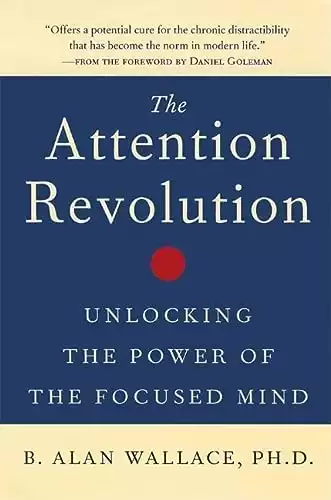
12. “The Attention Revolution: Unlocking the Power of the Focused Mind” by Alan Wallace

Wallace explores the concept of mindful attention, teaching techniques to sharpen focus and eliminate distractions.

The book offers a methodical approach to train your mind, enhancing your ability to concentrate.

The Attention Revolution: Unlocking the Power of the Focused Mind
$12.59
Buy Now
Lifehack is reader-supported. We earn a commission, at no additional cost to you.
08/03/2023 04:39 pm GMT

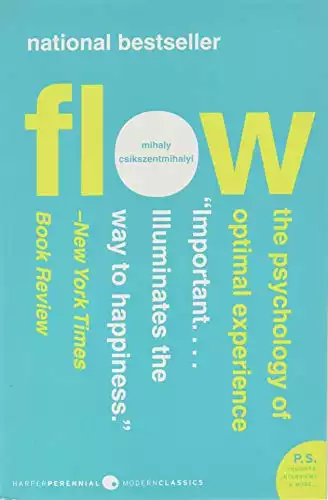
13. “Flow: The Psychology of Optimal Experience” by Mihaly Csikszentmihalyi

Csikszentmihalyi introduces the concept of “Flow” – the state of being so engrossed in an activity that you lose track of time.

Learning how to enter this state can help you maintain focus and significantly improve your performance.

Flow: The Psychology of Optimal Experience (Harper Perennial Modern Classics)
$9.89
Buy Now
Lifehack is reader-supported. We earn a commission, at no additional cost to you.
08/03/2023 04:40 pm GMT

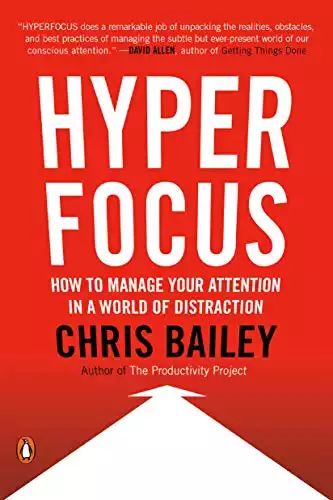
14. “Hyperfocus: How to Be More Productive in a World of Distraction” by Chris Bailey

Bailey provides practical strategies to enhance concentration, manage attention, and increase productivity.

With Bailey’s insights, you can learn how to achieve a state of hyperfocus, helping you to effectively manage distractions and elevate your productivity levels.

Hyperfocus: How to Manage Your Attention in a World of Distraction
$14.99
Buy Now
Lifehack is reader-supported. We earn a commission, at no additional cost to you.
08/03/2023 04:41 pm GMT

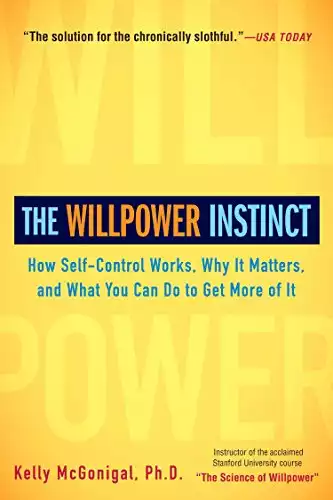
15. “The Willpower Instinct: How Self-Control Works, Why It Matters, and What You Can Do to Get More of It” by Kelly McGonigal

This book unpacks the science of self-control, offering insights into how willpower works.

Understanding and applying McGonigal’s concepts of willpower can strengthen your ability to resist distractions and stay on track with your personal and professional objectives.

The Willpower Instinct: How Self-Control Works, Why It Matters, and What You Can Do to Get More of It
$12.49
Read Now
Lifehack is reader-supported. We earn a commission, at no additional cost to you.
08/03/2023 04:42 pm GMT

Bottom Line

Distractions are like invisible thieves. They sneak into your day, steal precious moments, and leave you with the regret of time lost. What’s worse, these thieves aren’t picky. They show up everywhere: at work, at home, on your phone, even inside your head. We’re living in a world that’s chock full of distractions, and their effects are more damaging than you might realize.

The 15 books I’ve recommended, each is a weapon in your arsenal to combat distractions. But don’t try to devour them all at once. That would be like trying to quench your thirst by drinking from a fire hose. You’ll just end up more distracted.

Start small. One chapter a day. Or even a few pages. Dedicate a set amount of time, say 15 to 30 minutes, each day to soak up the wisdom these books offer.

Consistency is your friend. Don’t rush. Allow the insights to sink in, to change your patterns of thought and behavior. And, most importantly, begin with the book that resonates with you the most. The one that piques your curiosity, that draws you in.

Distractions are a part of life, but they don’t have to control your life. You’ve got the tools you need, and now it’s time to use them.

Reference

The post 15 Best Books on Distraction to Help You Regain Focus appeared first on Lifehack.


Friday, 28 July 2023

What Are Internal Distractions? (With Examples)

Ever tried to focus on a task, but found your mind wandering to that uncomfortable conversation from yesterday? Or maybe, right in the middle of an important presentation, you started planning what to cook for dinner? We all face the siren song of distractions, constantly luring our minds away from the task at hand.

It’s easy to point fingers on external distractions – the constant ping of our phones, the lure of social media, the colleague dropping by for a quick chat, or even the too-cold air conditioning in your office space.

But often, the culprit isn’t something outside of us; it’s within. It’s what we call internal distractions.

In this article, we’ll delve deeper into understanding how internal distractions cleverly hijack our focus, often unnoticed.

What Are Internal Distractions?

Internal distractions, those quiet intruders, are the ones that brew inside us, not needing a shiny screen or a loud noise to draw our attention.

Picture them as the background noise in your own mind, subtle whispers suggesting there’s something else – anything else – that needs your attention. They’re the byproducts of your own feelings and thoughts.

These distractions can sprout from a spectrum of sources, both positive and negative. Ever been worried about a looming deadline and found your thoughts drifting to a serene beach vacation instead? Or perhaps, while immersed in a demanding task, you’re abruptly seized by a compulsion to reorganize your entire workspace? Exactly, those are internal distractions.

Your thoughts about pressing responsibilities or the pleasant activities you’d rather be doing can equally become internal distractions. Similarly, your emotions related to life circumstances, a task you’re working on, or your fears and worries can shift your focus away from the task at hand.

Let’s unpack some of the most common internal distractions:

  • Negative Thoughts: Remember the countless times when worry or anxiety derailed your focus? Emotions like these can fog our minds, making it difficult to keep our eyes on the prize.
  • Impulses: Those sudden urges that seemingly appear out of nowhere, like an irresistible itch to check your phone or a sudden craving for a coffee break, can distract us from our work.
  • Daydreaming: A universal phenomenon. As you’re about to start working, your thoughts might drift off to that amazing weekend plan or a fantastical world.

So why do these internal distractions occur? The answer is simple:

Our brains, with their intricate networks, are wired for comfort. When faced with a challenging or even slightly uncomfortable situation, our brains naturally seek an escape. Distractions aren’t always about seeking rewards but more often about avoiding discomfort.

Consider these scenarios:

  • Are you grappling with marital challenges? Escaping into a gaming world may seem like a better option.
  • Overwhelmed by work duties? Suddenly, a Netflix marathon might feel like a deserving break.
  • Struggling with a daunting task at home? Even doing the dishes or sweeping the floor can seem more attractive.
  • Bombarded with life’s curveballs? A quick scroll on social media might offer momentary relief.

Circumstances like major world events or personal struggles can even amplify these internal distractions.

How to Manage Your Internal Distractions Quickly

Recognizing and understanding internal distractions is like finding the key to your own focus lockbox. It’s the first step towards reclaiming the focus that’s rightfully yours.

One thing to understand about internal distractions is that they often have a trigger, something that lights the fuse and causes your mind to wander off. It could be a difficult task that makes you feel overwhelmed or a nagging worry that creates anxiety.

Spotting this trigger, and understanding how you feel when it’s pulled, is crucial.

When you identify these feelings, don’t let them hijack the steering wheel. Instead of allowing your emotions to steer you towards an unhelpful distraction, take a little time out.

Just sit with these feelings for five minutes. Take a few deep breaths and let them wash over you. By doing this, you’re telling your brain, “Hey, I see you. I acknowledge these feelings, but they won’t dictate my actions.”

Once you’ve done this, it’s time to get practical. That huge, overwhelming task in front of you? Start breaking it down.

Like a puzzle, divide it into smaller, manageable pieces. Find a bit you can tackle right away. By taking immediate action, no matter how small, you’re not only defusing the distraction bomb but also setting in motion a positive momentum that can carry you forward.

Final Thoughts

These quiet invaders that brew within us are nothing but our own thoughts and emotions, constantly seeking an escape from discomfort.

Recognizing internal distractions and understanding their triggers is your first victory. Instead of falling prey to their deceit, sit with your feelings, to acknowledge them, and most importantly, to ensure they don’t control your actions.

Managing internal distractions isn’t about mastering an arcane skill. It’s about understanding yourself, taming your impulses, and taking meaningful, bite-sized actions.

The post What Are Internal Distractions? (With Examples) appeared first on Lifehack.